Oil and gold prices raise vertiginously after Israel's attacks on Iranian nuclear installations

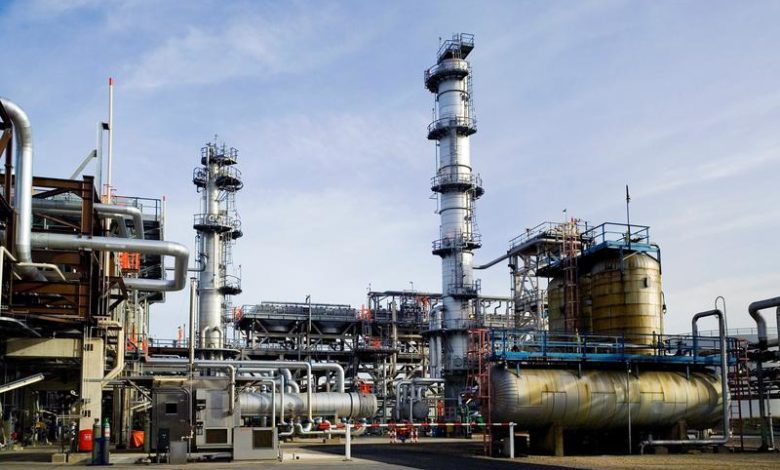
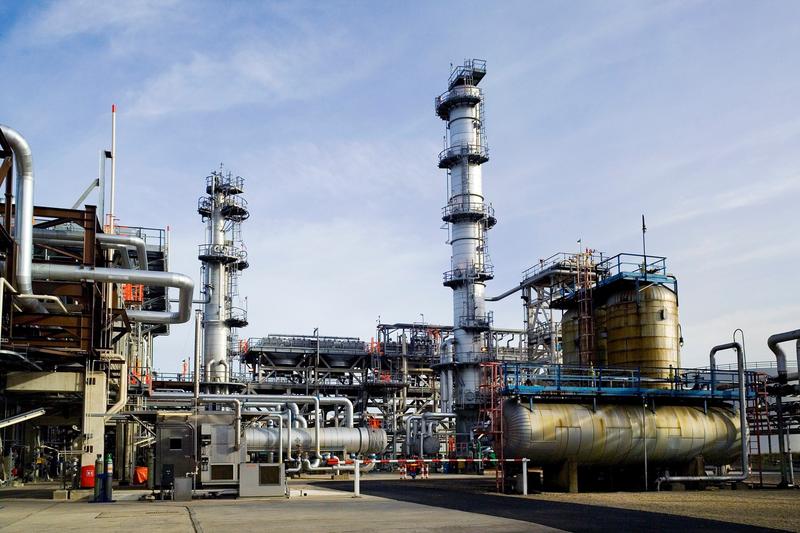
Oil Refinery, Photo: Paul Rhapson / Scienpshoto / Profimedia Images
Israel has launched a series of coordinated aerial attacks on Iran, targeting nuclear installations, in a decisive movement to prevent the Islamic Republic from becoming a nuclear power. The Israeli army announced the operation on its official Telegram channel, declaring that “dozens of fighter jets have hit Iranian nuclear complexes in different parts of the country.”
The strikes immediately triggered a strong reaction on the global markets, leading to the increase in oil prices, bonds and gold.
Brent crude oil increased by over 7% in the early hours of Friday transactions, as traders began to provide the risk of major interruptions of supply in a region that represents about one third of world oil production.
Petroleum is now about to record the highest weekly increase in 2022. The prices of gold have also increased as investors have turned to assets against the background of geopolitical risk.
According to Israeli sources, the purpose of air attacks is to disrupt the nuclear program of Iran, considered by Israel an existential threat. Prime Minister Benjamin Netanyahu convened his cabinet following the attacks, calling the action “a defining moment in Israel's history.” Israel closed its air space and placed the army on maximum alert, declaring that it is fully prepared for a potential Iranian repression.
According to Israeli Prime Minister Netanyahu, the operation concerns the heart of the Iran's uranium enrichment program. In his statement, Prime Minister Netanyahu said: “I hit the heart of Iran's nuclear arming program. I targeted the main Iran's uranium enrichment facility. I targeted the main nuclear scientists in Iran who work on the nuclear bomb. I also hit the Ballistics program.” He also mentioned that the operation “could take how many days is needed”, adding that his government will not allow “the most dangerous regime in the world to obtain the most dangerous weapons in the world.”
Against the backdrop of tensions, oil markets remain on alert. Investment banks such as JPMorgan warns that, in the worst case, prices could increase up to $ 120 per barrel if the military conflict closes the Strait Hormuz, a vital strategic area.