Poland is European power in the production of “bath salts”

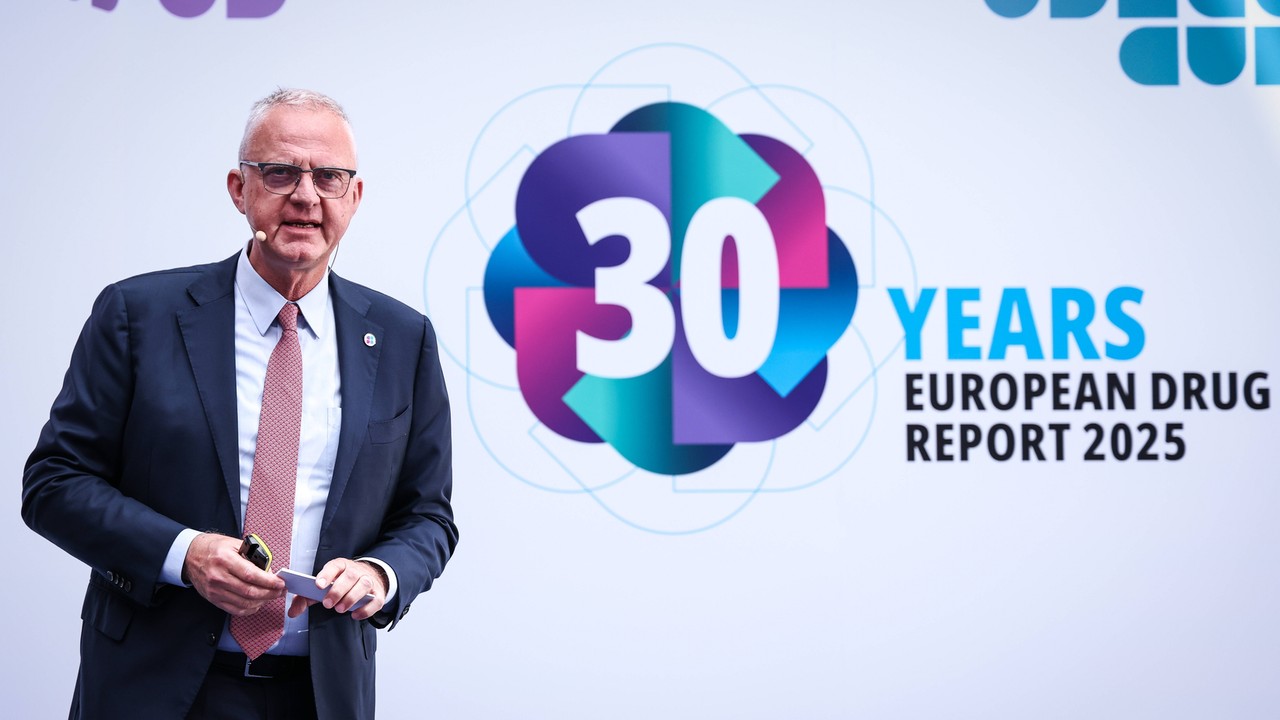
– the appearance of strongly acting substances is a burden for healthcare and safety systems – said executive director Euda Alexis Goosdeel. – This requires a general review of our approach and transition from monitoring the situation to actively assess and strengthen our readiness – he added.
In 2023, there was a “unprecedented import and confiscation” of synthetic Katynons and greater availability and widespread use of these substances arouse “Fears about the severity of health and social problems”.
“Bath salts” pose similar health threats to other stimulants such as amphetamine and methamphetamine. These include overdose, acute and chronic problems with mental health and the spread of infectious diseases. Synthetic Katynones, however, may contain substances with a stronger effect that they create other and more serious health threats – warns the agency.
Poland stands out as the production center of this drug in Europe. In 2023, the authorities liquidated 53 places in the production of synthetic Katynons throughout the continent – compared to 29 in 2022, 40 of them were in Poland. “This is one example of a significant severity of drug production in Europe,” said Euda.
The amount of synthetic Katynon confiscated in Europe has increased over the past few years, from 3.3 metric tons in 2020 to 26.5 metric tons in 2022. According to the report in 2023, this number increased to 37 tons.
Already in 2024, the agency warned that the production of “bathing salts” is growing in some parts of Europe and “signs” appeared that a small amount of synthetic Katynons “begins to settle” on the markets of stimulants in Europe.
This drug was traditionally imported mainly from China But now you can observe an increase in imports from India, which goes to Europe mainly through the Netherlands.
Synthetic opioids and cocaine
In a report that analyzes data from 29 countries (27 EU Member States, Turkey and Norway), the Agency also drew attention to the threat associated with the emergence of new synthetic opioids, which are particularly popular in the Baltic countries.
These drugs are very strong and even a small amount of them can pose a threat to life. Nitazene opioids have recently entered the European drug market, and their availability is growing.
The number of drugs caused by drugs increased from 7100 in 2022 to 7500 in 2023, mainly due to the combination of opioids and other substances.
Cocaine is the second most commonly used illegal drug in Europe – After Indian cannabis – and the most commonly used illegal stimulant. Over the past year, about 4.6 million adult Europeans used it.
Euda warns that the availability of cocaine is still growing, both in the form of powder and crack, what “It has a growing negative impact on public health in Europe.”
In several cities, the content of cocaine in sewage also increased, which “suggests that with the increase in cocaine availability, its geographical and social distribution also increased” – we read in the report.
EU countries have confiscated record amounts of cocaine for the seventh time in a rowwhich in 2023 amounted to 418 metric tons, compared to 323 metric tons in 2022, the services selted almost three -quarters of the total amount in Belgium, Spain and the Netherlands.