What a luxury apartment looks like from an old villa, put up for sale over half a million euros

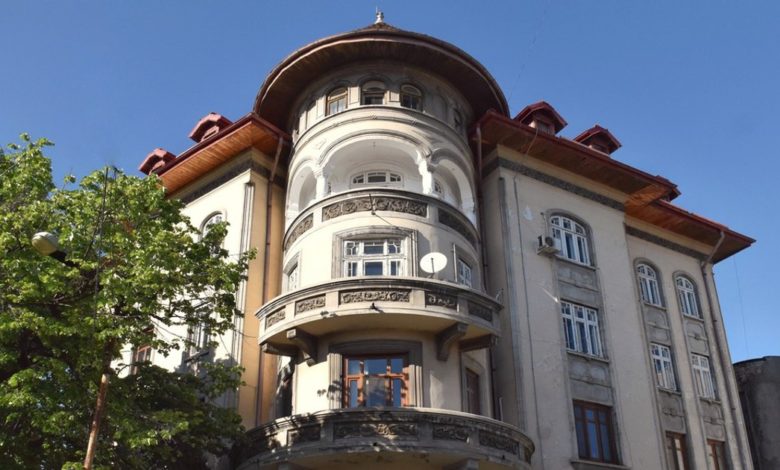
A luxury apartment from a neo-Romanian style villa, dating from the first part of the 20th century from an old neighborhood in the Capital is sold for 550,000 euros on a real estate platform, which also published a series of photos depicting the elegance from the inside, including the furniture.
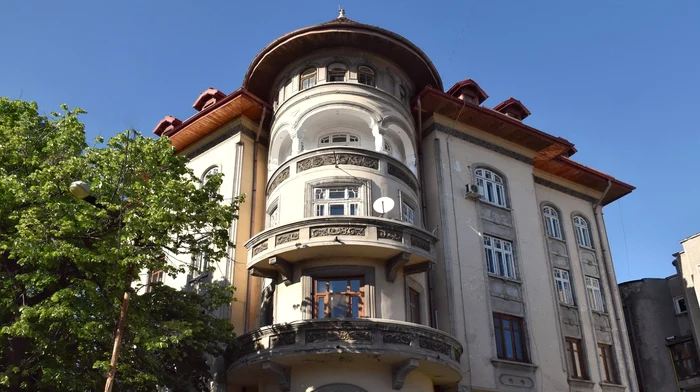
A luxury apartment from an old villa in the Capital is sold for over 500,000 euros. Photo Storia
The apartment of about 200 sqm is on the ground floor of a villa located near Hala Traian, in a central historical area, with bohemian air and embassies. It has 5 rooms, having extra space in the garage and basement. Investors passionate about architecture and history have the opportunity to purchase this remarkable apartment that has special architectural and decorative elements: stucco with gold sheet, a meissen ceramic stove, tall ceilings with large and bright rooms.
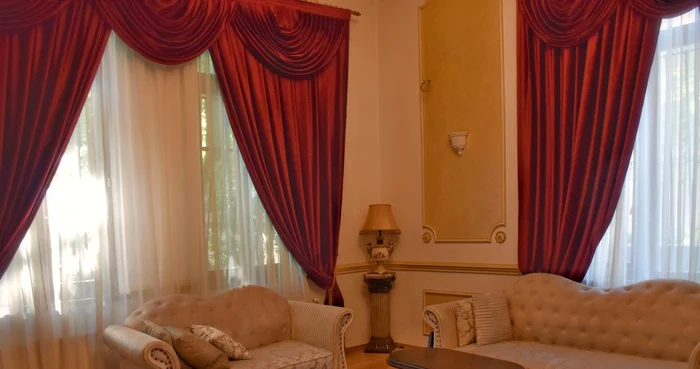
Light room with two large windows. Photo Storia
Built in neo -Romanian style, the house was a witness to the evolution of the pre -modern city to contemporaneity. According to the list of historical monuments in Bucharest, the villa is classified as a historical monument with the B-II-NB-18256 code, which indicates the official recognition of the historical and architectural value of the building. Here he lived in 1911 Dr. Georgescu, and in 1950 Georgescu Viorica, most likely his heir, who owned 9 apartments in this building. In the cadastre of 1911 the property had the address graceful street number 15, an address with an elegant resonance in the Jewish neighborhood. The cadastre indicates that the villa has kept its mark on the ground since 1911, even though it had subsequent changes.
The building has a symmetrical, imposing, typical composition of the urban residences of the bourgeoisie of the little Paris.
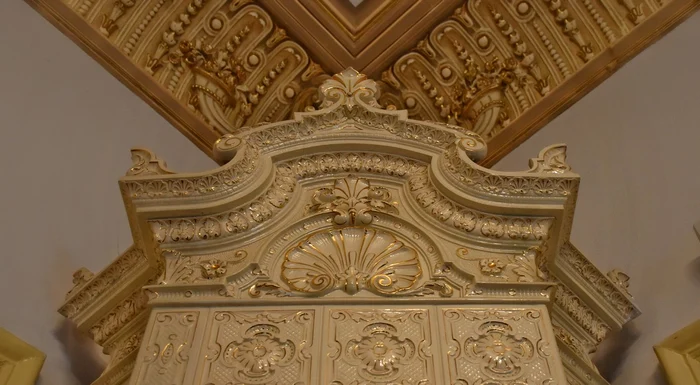
The stove has golden elements. Photo Storia
The 5 rooms are high and bright. From the monumental hall are radially arranged 3 more rooms. The 30 MP living room is spectacular and can be extended with another 24 MP camera, which is separated by an elegant glazing. The apartment has an area of 200sqm, a 25 MP terrace to the yard, a 20 square meter garage and two speakers totaling 29 square meters.
The dominant element is the corner tower, semicircular, with flooring balconies and rich decoration, which suggests an intention of monumentality. The high roof, with wide eaves and small windows, also indicates neo -Romanian influences. The decorative bands between the floors are ornamented with floral motifs (woven pumpkin) and geometric (motif) highlighted, common details in neo -Romanian architecture.
The arched windows, their embossed classification and profiled plaster frames indicate a French Beaux-Arts influence, taken over and adapted in local style. The pediment of the round tower, with pilasters and fine arches, adds an element of refinement that emphasizes the importance of this corner of the building. The facade is finished with similar, specific to the era. The windows retain the original proportions, and the hardworking of the balcony and the fence are the original ones.
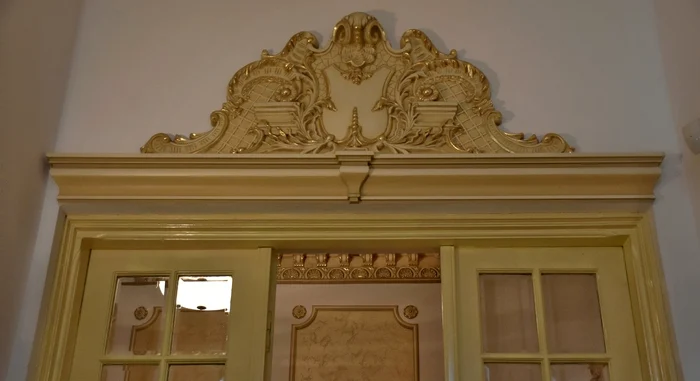
Stucco above the door. Photo Storia
“Inside, many original elements have been preserved ”support the representatives of the Storia real estate platform. Remarkable are the crystal doors, the meissen ceramic stove with golden floral and acroteric elements, the stuccoes of the ceilings. The apartment is a sumptuous residence, restored with golden leaf. Jewelers, doctors, clocks, bankers, these were the representatives of the Jewish elites who formed and lived in this charming neighborhood. I. Peltz wrote in the volume “Calea Văcăreşti”, Publishing House, Bucharest, 1962, during the First World War, as follows: “They occupied large houses with gardens surrounding clean walls. They had governors in their German and French children. They went to Karlsbad or Vichy. Some had installed their shops in the heart of the city.“If initially the address of the house was related to the graceful street, today it is positioned on Dr. Burghelea street, which was formed after 1911, after the date of construction of the house, according to the cadastre and historian of the street nomenclature in Bucharest. The arte brings together 10 buildings with the status of historical monument and has an aristocratic atmosphere.