Kliciko against Zelenski. From what the open conflict started between the Kiev Mayor and the President of Ukraine

In a delicate moment for the Ukrainian state, marked by military uncertainties and international pressures, the mayor of Kiev, Vitali Kliciko, launches the hardest public attack on President Volodimir Zelenski. The former world boxing champion, who became a politician, accuses the Presidential Administration of Authoritarian Derifs and Angel in the autonomy of the local administration.
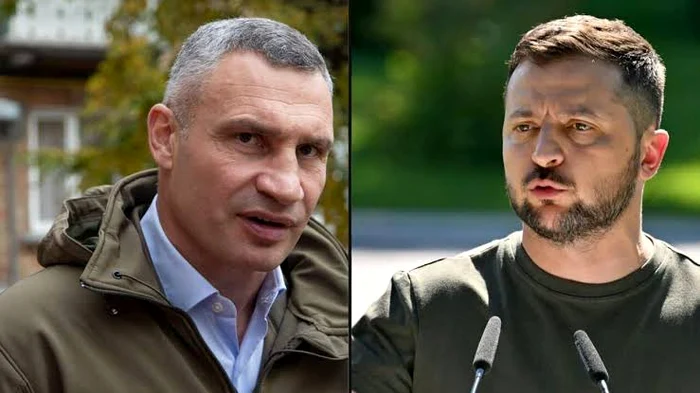
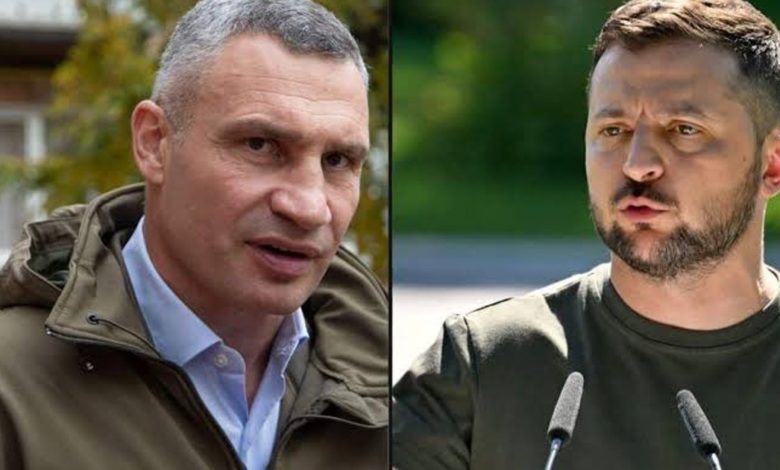
The Mayor of Kiev, Vitali Kliciko and the President of Ukraine, Volodimir Zelenski/ Photo: X
“It smells of authoritarianism in Ukraine. Now you can already”said Kliciko, in an interview with The Times, suggesting that under the pretext of the martial law, President Zelenski restricts the democratic space and strengthens political control in the territory.
A conflict with double stake: reputation and power
In the center of the conflict is the management of the Ukrainian capital during the war. Kliciko accuses the Presidential Administration of paralyzing the operation of the City Hall through direct interventions, politically motivated anti -corruption and threats with manufactured files. The mayor argues that the important decisions for the city are systematically blocked by the central authorities.
The verbal offensive comes in the context in which several close friends of the mayor were detained by the National Anticorruption Bureau (NABU) within the “clean city” operation, aiming to suppose corruption acts in the local administration. Kliciko admits that there are thousands of employees in its subordination and that it cannot guarantee for each, but claims that all cases are treated with maximum seriousness and full collaboration with the authorities.
“Corruption exists, but we react immediately. We have already dismissed eight data subjects in investigations”said the mayor, pleading for a fair trial and warning about the risk of justice politicization in the context of the war.
A confrontation with political ramifications
The conflict between Kliciko and Zelenski is not new. The mayor of Kiev also opened the state leadership, especially in key moments such as peace negotiations or decisions regarding the administrative control of the regions. The differences between the two also deepened following the actions to centralize the decision through the military administrations imposed in the big cities, a measure justified by the Government through the emergency of the security situation.
Moreover, Kliciko suggested that his public position is protected by his international notoriety – a privilege that other mayors enjoy. “You can dismiss the mayor of Cernihiv. The one in the capital, known worldwide, is harder,” he said, insinuating a campaign of orchestrated discredit against him.
Zelenski, between international image and internal tensions
President Zelenski, still in the position of global leader of resistance against Russian aggression, did not respond directly to recent accusations. In the past, however, he ironized Kliciko: “He is a great athlete, but I didn't know he was a great speaker.”
The internal tensions come at a time when Ukraine faces not only the Russian offensive, but also with increasingly pressing questions regarding the transparency of the use of funds and the priorities of the reconstruction. Luxury real estate projects published in the war, the lack of new shelters and schools, but also the so-called “portion of the toilet”-a controversial method of acquiring rights on public land-supplies suspicions related to corruption in the local administration.
A geopolitical stake: the image of Ukraine in front of the Allies
Ironically, the internal accusations regarding the authoritarianism of the Ukrainian president come at a time when Western leaders, including Donald Trump, have launched similar attacks. Although the criticisms of the former American president are politically and devoid of substantive in the context of the martial law, they can influence the perception of international partners and risk weakening support for Ukraine.
The dispute between Kliciko and Zelenski is more than a confrontation between two political personalities. It reflects the real tensions inside a country under siege, the need for reform, but also the fragility of the balance between security and democracy. At a time when every move is carefully viewed in Washington, Brussels and in the great European capitals, Ukraine does not allow internal political conflicts transformed into a public show.