Ministers of defense of NATO countries are to establish new defensive goals of the Alliance next week. The exact numbers regarding the new requirements are difficult to verify due to the top secret nature of such information, “Reuters said.
A high -ranking Army representative said that under the new requirements, NATO countries would create between 120 and 130 brigades. This would mean increasing the current alliance goals by 50 percent. Reuters interlocutor from German government circles assessed that the new NATO goal was 130 brigades.
The Ministry of Defense of Germany and NATO did not respond to the agency's requests to comment on this information.
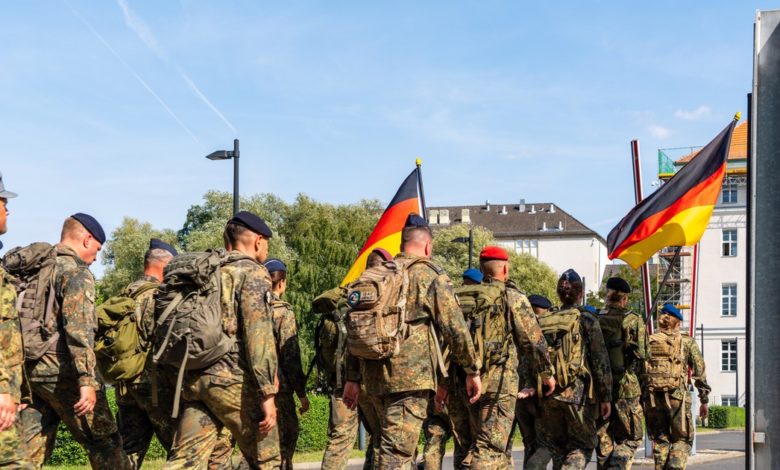
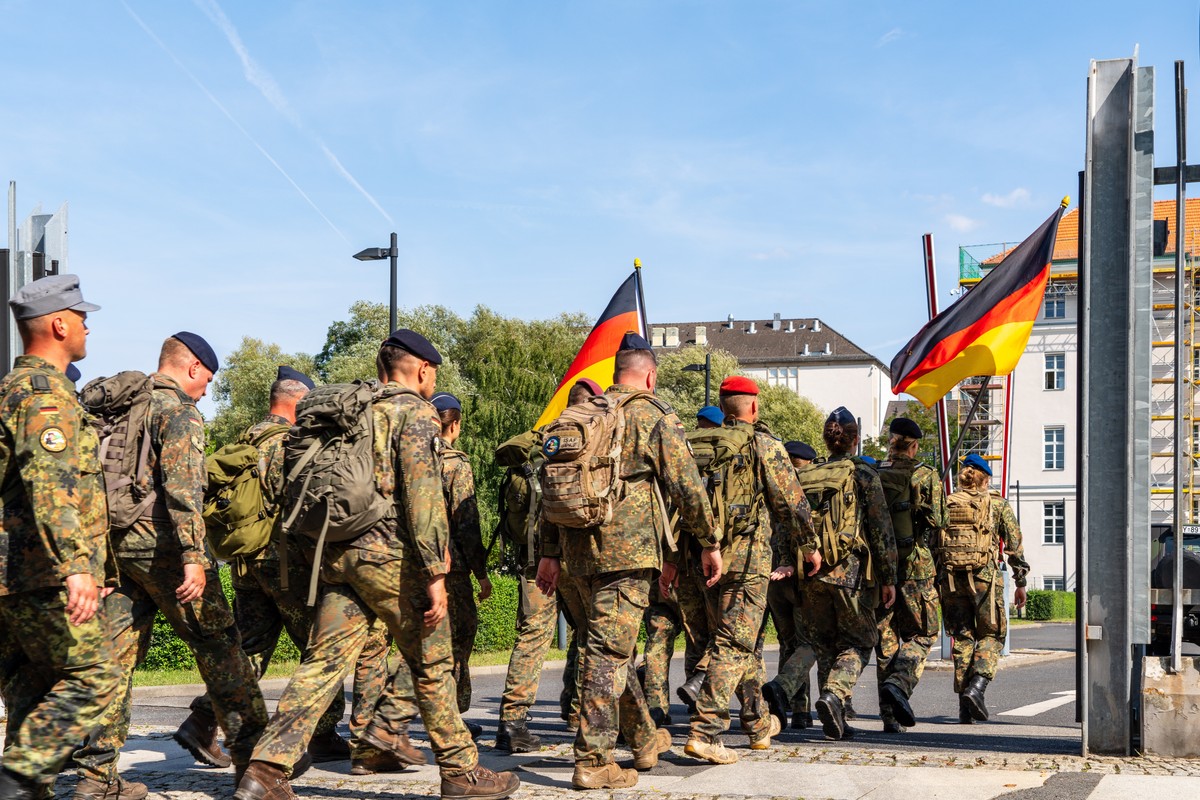
In 2021, the government in Berlin agreed to make 10 brigades at the disposal of NATO – units usually with about 5,000 soldiers – until 2030. Currently, Germany has eight brigades and form nine in Lithuania, which should be ready in 2027.
“Increasing the number of soldiers by about 40,000, however, can be very difficult for Berlin: – Redets assessed.
Bundeswehr has not yet managed to expand her forces to 203 thousand. soldiers, although such a goal was established in 2018, and currently it lacks about 20 thousand. professional military.
Read also: In Germany, the fate of the decision to restore conscription to the Bundeswehr is weighing
NATO would need about 35-50 additional brigades to fully implement defensive plans in the event of Russia's attack, and the Germans themselves would have to increase the number of military staff four times. What's more, the current plans of the Alliance do not take into account the reduction of the American contingent in Europe, “Reuters emphasized.
The administration of US President Donald Tramp announced that this year he would start talks with European allies about the reduction of the number of American soldiers in Europe.
At the June peak of the alliance in The Hague, the head of NATO Mark Rutte will strive to obtain the consent of the leaders of the Member States to increase compulsory expenditure on reinforcements from 2 to 5 percent. GDP.
The Germans decided – as Reuters assessed – the “historical change” of the position on fiscal policy and in March adopted the reforming law recorded in the German constitution “debt brake”, prohibiting the increase in the budget deficit above 0.35 percent. GDP.
Expenses for the army, civil defense, services and cybersecurity exceeding 1 percent. Therefore, GDP will not be subject to budget restrictions, and it will be possible to take out loans to finance them.
Berlin also assumed that the Bundeswehr must be “ready for war” until 2029, because NATO experts believe that by that time Russia will expand its armed forces so much that it will be able to attack the territory of the alliance.