Before this change Kyiv could not formally use key western attacks on the other side of the border. Washington allowed the limited use of ATACMS and GMLRS launcher in May 2024, but only in the Kharkov region.
In the autumn of 2024, London allowed the use of Storm Shadow/SCALP missiles, but in practice it limited their use to occupied territories of Ukraine and Crimea. France used similar restrictions.
Berlin, in turn, blocked the export of long -range Taurus and stated that the weapon already passed on to Ukraine, e.g. Panzerhaubitze 2000 or Mars II systems, could not offend goals in Russia.
An important change for Ukraine
From today these clauses are ceased to apply. Kiev gains the possibility of planned strikes on logistics nodes, fuel depots, command centers or airports located hundreds of kilometers from the front, i.e. the infrastructure from which Russia leads raids to Ukrainian cities.
In practice, Ukraine receives a tool for “cutting off of chanterelles” to the sensitive segments of the Russian war machine: rocket-drone facilities in the Kursk, Belgorodzki districts or around Voronezh.
Until now, the Kremlin has used unpunished facilities, while Ukrainian cities remained within the range of Iranian drones and ballistic missiles.
The acceleration of the decision was the record wave of three consecutive nights of Russian air attacks, in which, according to Kiev, over three hundred drones and nine maneuvering rockets were used.
Europe on the side of Ukraine
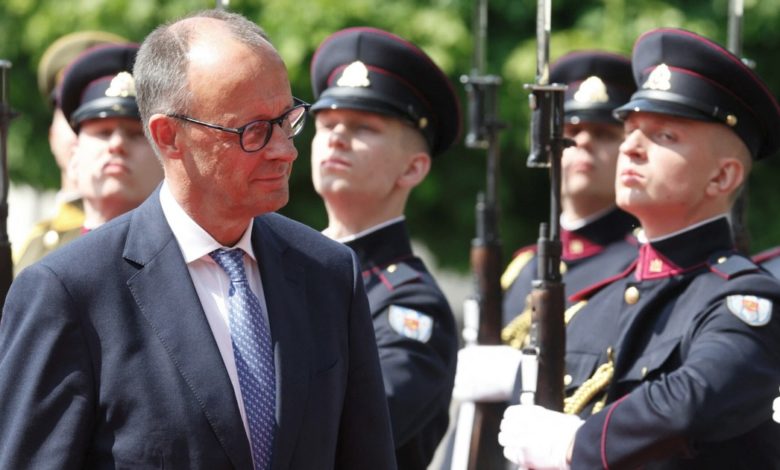
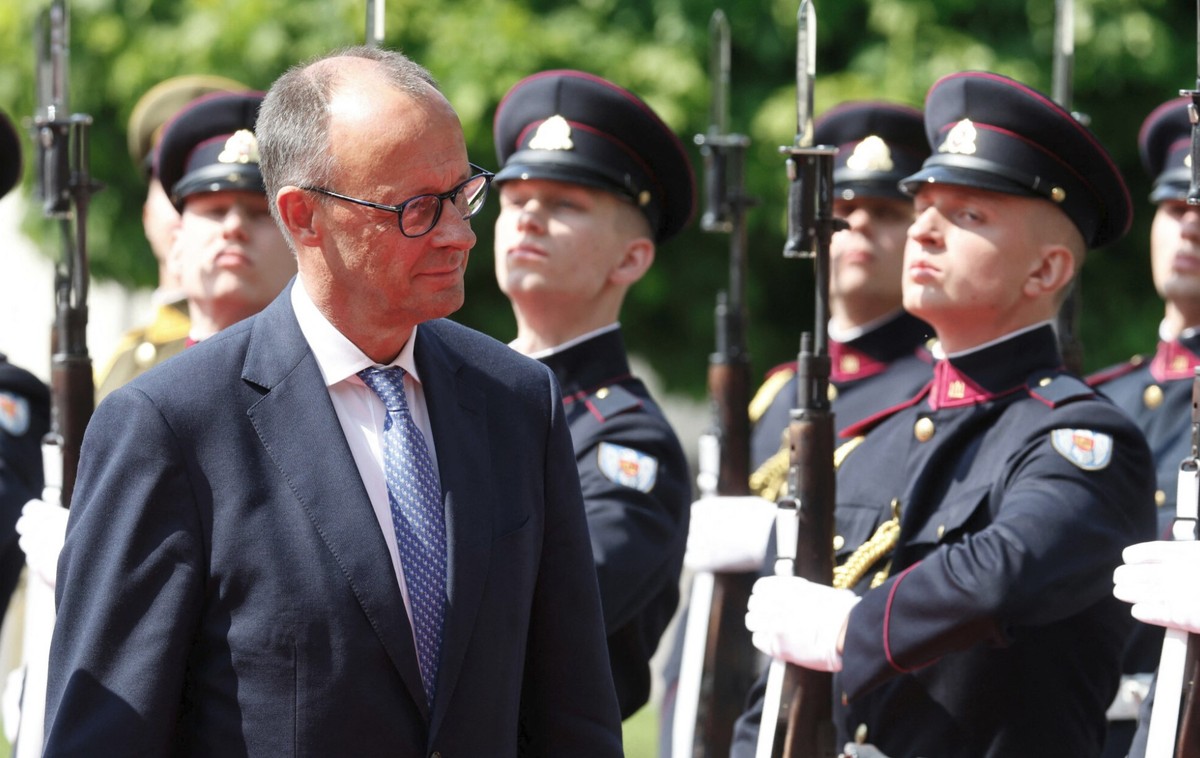
European leaders, including Emmanuel Macron, decided that further “serious warnings” do not work, and Merz – covering the office with the image of more confrontational towards Moscow than Olaf Scholz – capitalized political will in Berlin. The declaration coincides with an announcement of raising German defense expenses up to 5 percent. GDP, which signals the long -term change in the country's economic priorities.
The Kremlin reacted predictably. Spokesman Dmitry Pieskov assessed the decision as a dangerous and undermining peace efforts, threatening with indefinite consequencesbut at the same time he did not provide a reliable deester offer.
Moscow will now have to transfer ammunition and command positions much further from the border, which means an increase in logistics costs and pressure on the Russian budget in conditions already high, over 21 %. interest rates.
Economic effects can go beyond the military sphere. If the Ukrainian rockets reach for a refinery in central Russia, short -term oil price jumps are possible, and thus additional turbulence on energy markets with which Europe has barely learned to live after the crisis 2022–2023. On the other hand, due to the expected increase in orders for long -range ammunition – from Atacms Block IV to Taurus Kepd 350 – European arms consortia prepares further production lines. In an average date, this may stimulate the German and French high-tech industry.
The decision on the lack of a range of coverage is also part of the evolution of Western political calculations. In part, it is a response to the criticism of Donald Trump, who called Vladimir Putin “absolutely crazy” and threatens with a new package of sanctions, but at the same time publicly storming Wołodymyr Zelanski. Europeans, like Macron and Merz, signal that they will not be passive hostages of the hesitating US support And they build their own strategic autonomy.
For Ukraine, this means the beginning of a new stage of war in which Russian facilities cease to be a safe zone, and the costs of invasion are growing not only on the front, but also in Russian territory. Kyiv hopes that hitting the nerves of Russian logistics will shorten the way to the negotiating table. Already on Wednesday, Zelanski is to talk in Berlin with a Muzek about another help package, including possible Taurus.