The country in Europe with the best results in PISA tests launch a program to provide students with skills

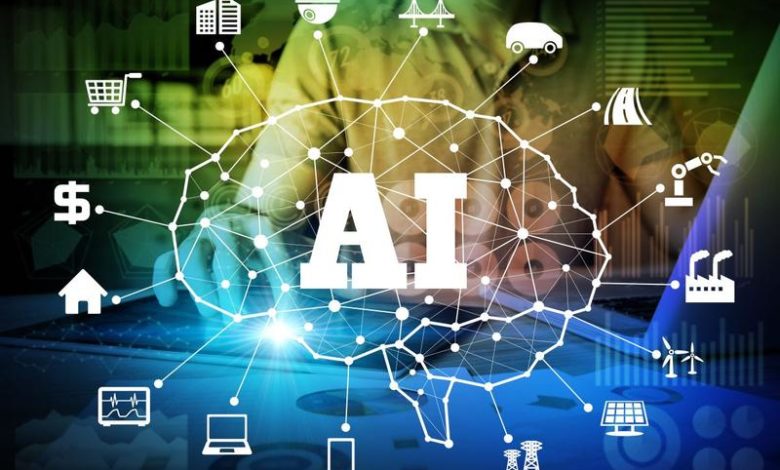
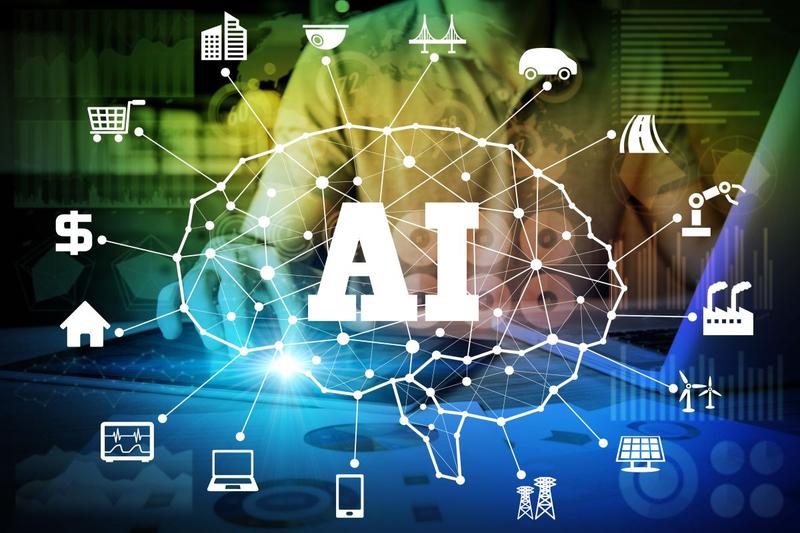
Artificial intelligence, photo: shutterstock
Estonia annestrates a national initiative called Leap, who will equip students and teachers with “world artificial tools and skills,” The Guardian reports.
Currently, the Baltic State negotiates with Openai to obtain the necessary licenses for each student to have an AI account, in an effort to make Estonia a test laboratory for artificial intelligence in schools. The goal is to provide free access to the top learning tools for 58,000 students and 5,000 teachers by 2027. The process must start in September with young people aged 16 and 17.
The Baltic Country, which has a population of 1.4 million inhabitants, is the most efficient European state within the program of the organization for cooperation and economic development for the international evaluation of students (PISA tests).
In the most recent round of Pisa tests, which took place in 2022 and whose results were published a year later, Estonia ranked first in Europe in mathematics, sciences and creative thinking and second after Ireland at reading. Former part of the Soviet Union, Estonia now outclasses countries with a much larger population and larger budgets.
There are several reasons for Estonia's success, according to The Guardian, calling on digital tools in schools being one of the characteristics that differentiate it from the rest of Europe. While England and other countries restrict the use of the phone in school because they undermine concentration and mental health, Estonia teachers actively encourage students to use the phone as a learning tool.
Based on the AI LEAP program, teachers will be trained in the field of technology, focusing on self-learning and digital ethics and giving priority to educational equity and literacy in the field. Officials say that Estonia will become “one of the most intelligent nations that use artificial intelligence, not just the most saturated technology.”
“I know the skepticism and prudence of most European countries on screens, mobile phones and technology. The thing is that, in the case of Estonia, the society in general is much more open and prone to the use of digital tools and services. Teachers are not different,” said Kristina Kallas, Estonian Minister of Education and Research. World education.
Instead of trying to resist new technologies, Estonia hugged them. In 1997, within the Tiigrihüpe program (Tiger's jump), huge investments were made in computers and network infrastructure. All schools were quickly connected to the Internet. Now, smartphones and artificial intelligence are considered the next step.
Kallas described the programs as a revolution of artificial intelligence that involves the end of the essays for homework, a renunciation of the learning model memorizing/repeat/application that has been based for hundreds of years and a transition to oral exams. The challenge is to develop higher cognitive skills among young people, because artificial intelligence can do the rest better and faster.