The secretary of the US treasury hopes that Trump's threat with customs duties will “light a fire under the EU”

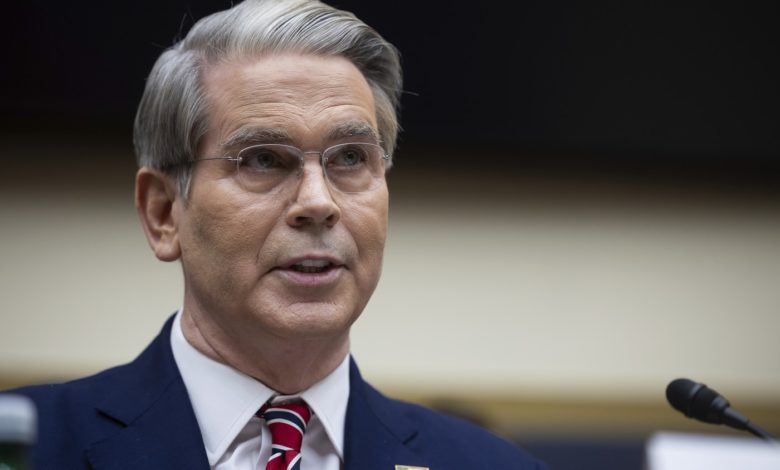
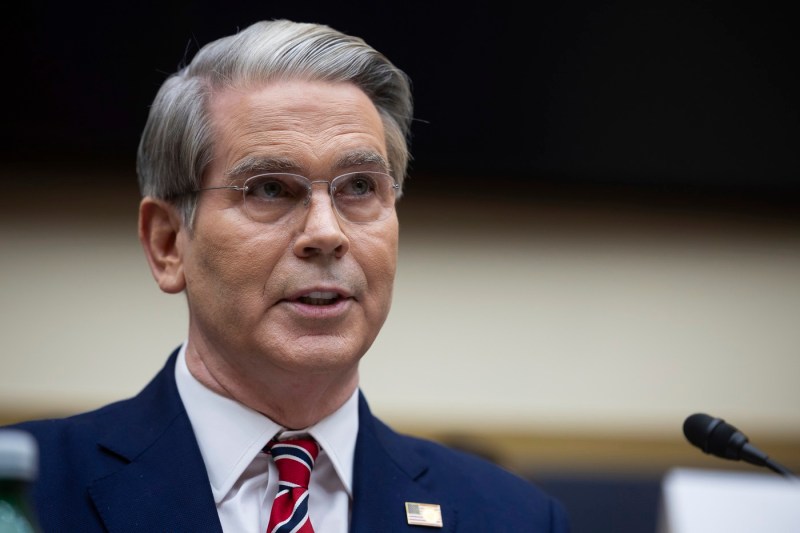
Scott Bessent. Photo credit: Francis Chung / Politico / AP / Profimedia
The Secretary of US Treasury, Scott Bessent, said on Friday that in commercial negotiations between Washington and Brussels, some EU states do not know what the European Commission is negotiating on their behalf, and estimated that the threat of US President Donald Trump could impose 50% customs duties on European products. Agerpres.
Speaking at Fox News, Scott Bessent claimed that many other significant US partners negotiate with Washington, but the European Union does not do the same.
On Friday, President Trump wrote on the social network Truth Social Social that Commercial Negotiations with the EU “do not take nowhere” and suggested “the imposition of 50% customs duties against the EU, starting June 1”, to alleviate the commercial deficit of about 250 billion dollars registered by the US.
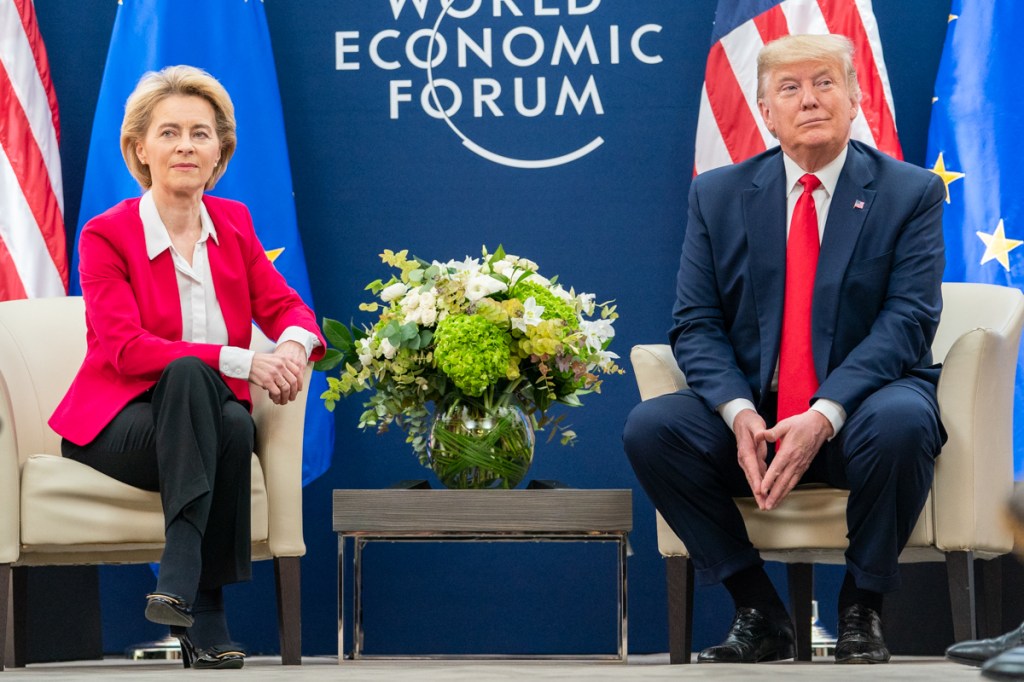 Donald Trump proposes 50% customs duties for the products in the European Union: “Our discussions with them are nowhere!” / Reaction of European scholarships
This message from Trump comes one day after the US Treasury Secretary had meetings in Canada with Finance Ministers in G7, which he also talked to the European Trade Commissioner, Valdis Dombrovskis.
“I think the president believes that the proposals of the European Union are not of the same quality as the ones we have seen from other important commercial partners”, explained to Fox News the secretary of the American Treasury.
Match this, from US contacts with some EU Member States it turns out that the latter are not aware of the proposals made by the European Commission in US negotiations. “I will not negotiate on television, but I hope it will light a fire under the European Union”, which is made up of “27 countries, but which are represented by this group in Brussels,” said Bessent.
Reactions from EU countries
While the European Commission did not immediately comment on Trump's message, German Minister Johann Wadeph has shown the hope that, finally, the EU and the US will agree, saying that there are no winners in a commercial war and that “such customs duties does not help anyone, but they will only suffer.”
And the French Minister delegated for Foreign Trade, Laurent Saint-Martin, estimated that “Trump's new threats do not help in the EU and US negotiations.” “We maintain the same line, de -escalate, but we are ready to answer,” added the French minister.
Commercial war triggered by Trump
In March, the United States imposed 25% customs duties on steel, aluminum, vehicles and components of the auto industry, regardless of the country of origin. Compared to these taxes, the EU states approved on April 9, a set of retrival fees between 10% and 25% on a series of various American products, from motorcycles to soy or poultry.
In the second stage, US President Donald Trump announced on April 2, customs duties consisting of a 10% basic tax for all imports (except for those already charged with 25% and exceptions regarding energy products, semiconductors, etc.), to which for dozens of countries are added additional customs duties depending on the US and the US. For the products imported from the EU countries, the customs taxes charged by the US have reached 20%.
But Trump declared on April 9 that he suspends additional customs duties for 90 days, so those who exceed the 10%basic level, except those applied to China, after many countries have applied for negotiations with Washington.
As a result of this announcement, in order to give a chance to the US negotiations, the European Commission immediately decided to suspend for 90 days the customs duties agreed on April 9 by the EU states as reprisals for 25% customs taxes imposed by the US for steel, aluminum, vehicles and components of the US industry, Trump being only the others that exceed the basic level of 10%, ie in the case of EU supplemented customs duties up to 20%.
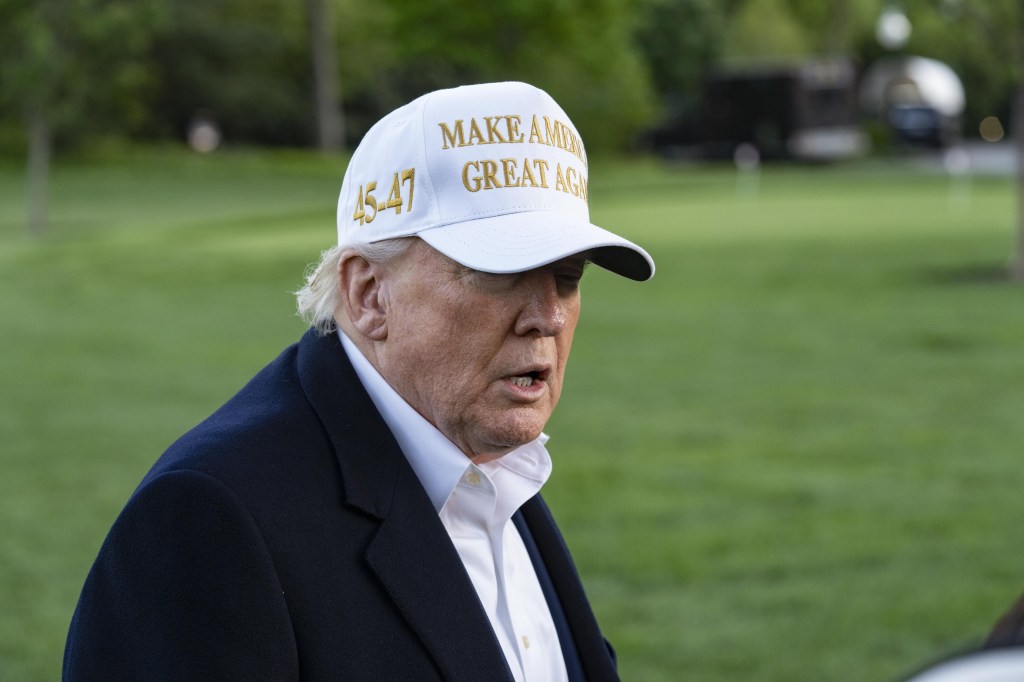 Trump presses the EU to give in to commercial negotiations, threatening with additional taxes