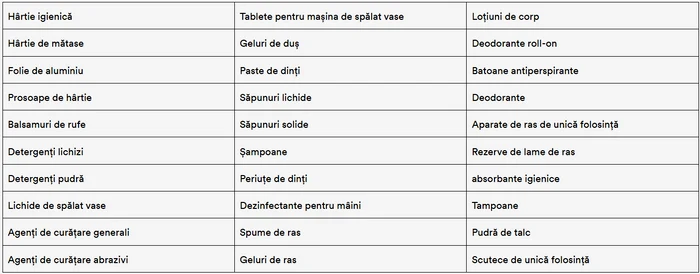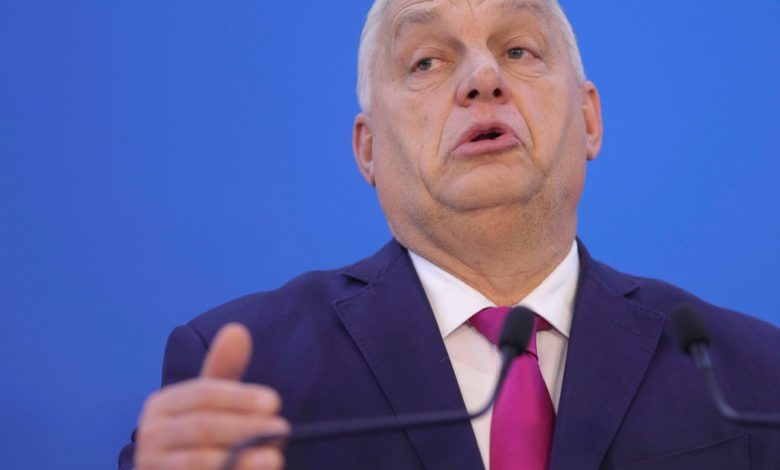
The government led by Viktor Orban decided on May 8 to extend the ceiling of the commercial addition for some non-food products, from May 19 to August 31, a measure that has already proved inefficient, given that although the prices have increased in April.
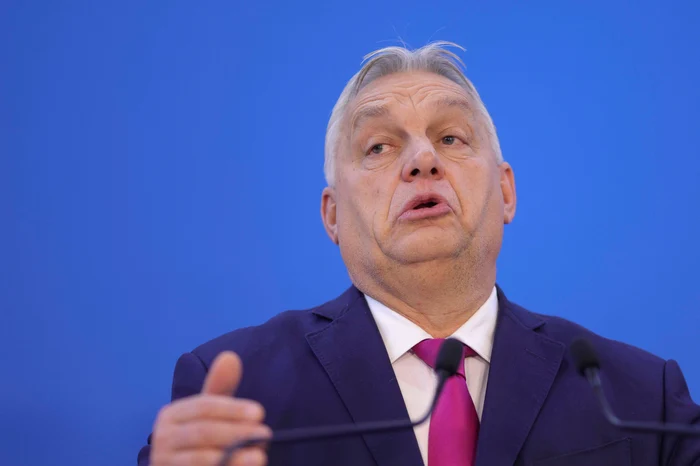
Viktor Orban decided on May 8 to extend the ceiling of commercial addition to some products
The extension of the ceiling of the commercial addition will lead to quantitative restrictions, according to the National Trade Association, already having situations in which the retailers have imposed ratios, to stop the high “appetite” of the Hungarians to buy more and more, as it is “on discount”, writes the publication index.hu.
The freezing of the prices of industrial goods will start on May 19 and will cover 30 product categories until August 31, after which the government can decide to extend it. Pharmacy chains have set a profit margin of maximum 15 %, products such as razor, disposable diapers and detergents being cheaper.
In addition, the Government requires retail traders to sell at least the average daily quantity of the commercial additional products that they sold in 2024, otherwise risking between 500,000 and 2 million forint (over 5,000 euros).
“The reduction of the commercial addition will lead to an average price reduction of approximately 16-18 % for these product categories”, Declared the Minister of Economy, Márton Nagy.
According to the data of the Central Statistics Office of April, the price of paper napkins and shampoo also decreased by 2%, while the laundry detergent increased by 8%, 5% toothpaste and the shower gel by 4% in a month, after Márton Nagy's announcement.
Ration of five products of the same kind
A great Hungarian retailer – Rossmann – has announced that it will introduce a quantitative restriction for the products that are the price freezing, which means that customers will be able to buy a maximum of five articles in each store. The National Trade Association said that other supermarket chains could prepare similar measures to avoid a shortage.
“Companies involved in the sale or distribution of household and personal care products in Hungary should review their strategies for pricing and the decree supply chain”Say the specialists from Wolf Theiss.
Although the measures will be in force for an intermediate period (until August 31, 2025), extensions or additional restrictions are probably adopted, they added.
Despite freezing prices for food, Hungary recorded in April the second largest inflation in the European Union, about 4.2 %, double compared to the European average.
General presentation of regulated product categories