
Toxic in the plate: the hidden substance in foods that favor obesity in children. Girls, the most affected

Infantile obesity has become one of the most pressing public health problems globally, and Romania is no exception. More and more children are exposed to the risks of chronic diseases and metabolic imbalances from the first years of life.
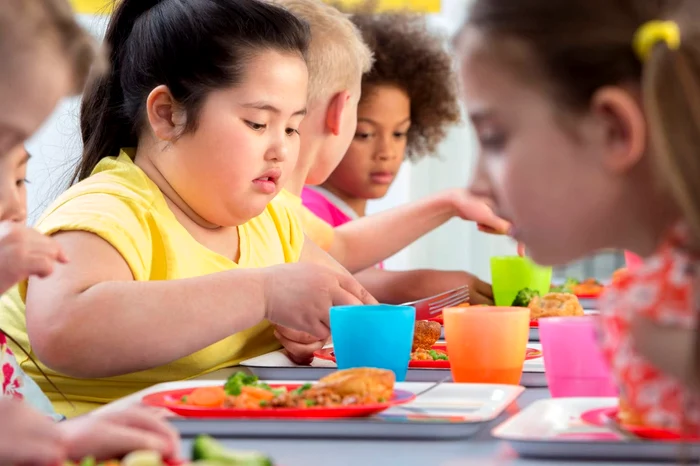
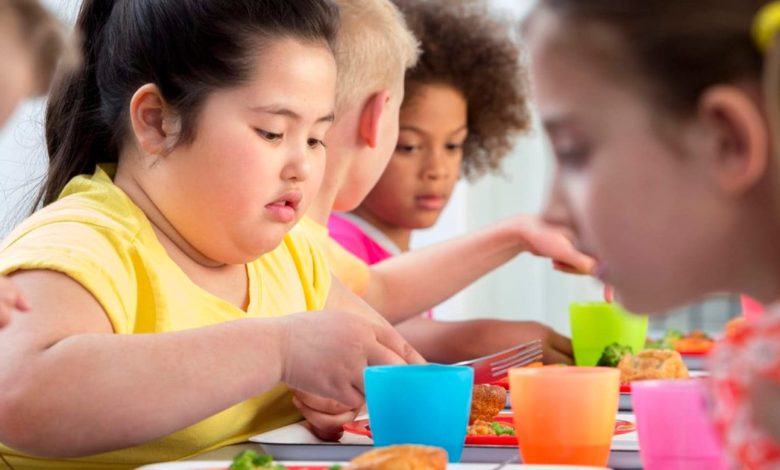
Infant's obesity is a major public health problem photo impact monash edu
The long -term effects of childhood obesity are devastating: an increased risk of diabetes, cardiovascular disease and metabolic disorders, which make their effects from childhood.
In Europe, the figures are already alarming: between 2% and 10% of children between the ages of 2 and 6 are obese, and the percentage reaches 20% among those between 6 and 9 years, and reaches 15% among adolescents. In Romania, the situation when it comes to childhood obesity is even more serious: according to the data within a campaign carried out by the Ministry of Health in 2023, one in three children is overweight or obese, and the phenomenon continues to grow, especially in the urban environment.
In this alarming context, a recent study conducted by the Biosanitary Research Institute in Granada brought to the fore a potential aggravating factor: exposure to bisphenols-chemical compounds that are often found in food packaging and can be found in basic foods, such as meat and eggs.
The unexpected culprit of the flesh and eggs. Little girls, three times more at risk
Bisphenols are chemical compounds that can contaminate foods, especially meat and eggs, through food packaging. They are frequently used in the manufacture of plastic and epoxy resins to strengthen materials, prevent oxidation and prevent bacteria from entering. However, their excessive use in the food industry has sparked more and more controversies, due to potential harmful effects on health, especially among children.
The researchers analyzed the diet and the level of exposure to bisphenol A (BPA) and bisphenol S (BPS) of 303 children between 3 and 12 years old. The results were worrying: the girls who frequently consumed meat and eggs had a risk of almost three times higher to become overweight or obese, compared to those who had a lower exposure to these compounds.
“It is possible that bisphenols, through their disruptive action on the endocrine system, influence the accumulation of body fat, especially in girls. It is crucial to further investigate the effects of these substances on health.”explained Professor Alberto Zafra, the main author of the study on childhood obesity and causes.
And the way we eat matters, not just the quantity. The “healthy” diet with a hidden price
Paradoxically, the study discovered that girls with seemingly healthy eating had the highest levels of exposure to bisphenols. A possible explanation would be the presence of these compounds in the packaging of processed foods “clean” or “Eco”which although often considered “Safe” can be loaded with chemicals.
In contrast, in boys with normal weight, the quality of the diet has remained constant, regardless of the level of exposure to these chemicals.
Children consume more bisphenols than the European law allows
One of the most serious conclusions of the study is that the doses estimated by Bisphenol A and Bisphenol Sneed by children exceed the limits considered safe by the European Food Safety Authority (EFSA). This fact underlines a systemic problem that requires stricter regulations.
The researchers require urgent measures to reduce the presence of these compounds in food. “Exposure is generalized and cannot be ignored. We need more transparency in terms of Packages that come into contact with foodof stricter limits and careful monitoring to protect the health of children ”is shown in the conclusions of the report.
Recommendations for parents: How to protect your child's health
In a context in which infantile obesity and exposure to toxic substances become more and more worrying, the role of parents in the formation of healthy eating habits is essential. This parents guide offers concrete solutions to reduce the risks and protect the health of children in the face of fast food. Here's where you can start from:
- Be careful about the baby's diet
Try to limit, but not completely eliminate the consumption of red meat and eggs from the child's diet, especially in large quantities. A balanced diet, rich in vegetables, fruits and sources of healthy proteins (such as fish, legumes and nuts), contributes to the harmonious development of the little ones and to maintaining a healthy body weight. Excess consumption of meat and eggs, especially from processed or industrially packaged sources, can expose children to dangerous substances such as BPA and BPS, while a diversified diet, based on vegetables, fruits, whole grains and fresh foods, reduces long -term risks.
- Opt for healthy alternatives
Replace processed snacks with fresh fruits, nuts or seeds. These are excellent sources of vitamins, fiber and healthy fats, essential for the child's growth and development.
- Avoid plastic packaged products, canned canned meals and tables
It is an essential step towards a cleaner and healthier diet.
- Encourages daily movement
Regular physical activity helps maintain a healthy bodily weight. Encourage the child to spend time outdoors, play games that involve movement or play sports. In addition, the time spent on TV or computer should be limited.
- Be a model of healthy behavior
Children often learn by imitation. If you maintain a healthy lifestyle, they will be more likely to adopt the same habits. Consume healthy foods with them and show them how to handle their food portions.
- Monitors food labels
Read carefully the food labels you buy. Avoid products that contain too much added sugar, trans fats and chemical additives. Opt for integral foods and minimally processed.
- Encourages regular meals
It is important to have regular and balanced meals for your child. Avoid unhealthy snacks and make sure it will eat a healthy breakfast, lunch and dinner, to provide nutrients.
It always monitors food portions, especially in children who are prone to overweight. Sometimes even a healthy eating can lead to weight gain if the portions are too high.
If you have concerns about your child's weight or eating habits, do not hesitate to consult a pediatrician or nutritionist. They can provide personalized advice and guide you in the process of obesity prevention.
conclusion
Not meat and eggs are enemies, but excess, lack of diversity in nutrition and constant exposure to processed and industrially packaged products. In a world where dangers are not always visible, food balance becomes the strongest ally of children's health.


