
Until from the Iberian Peninsula: Portugal wants to replace the Electrical Emergency System

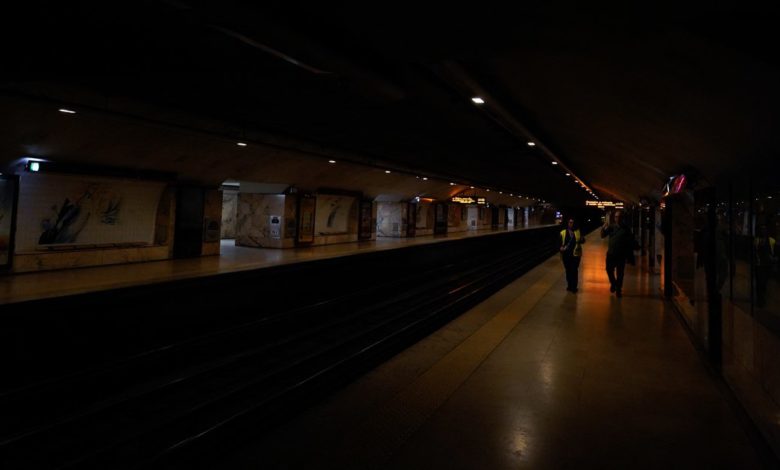
Portugal wants to set up a working team to replace the integrated Emergency and Security Network System of Portugal, after the big Monday, because it has demonstrated structural and operative limitations “in very demanding situations”.
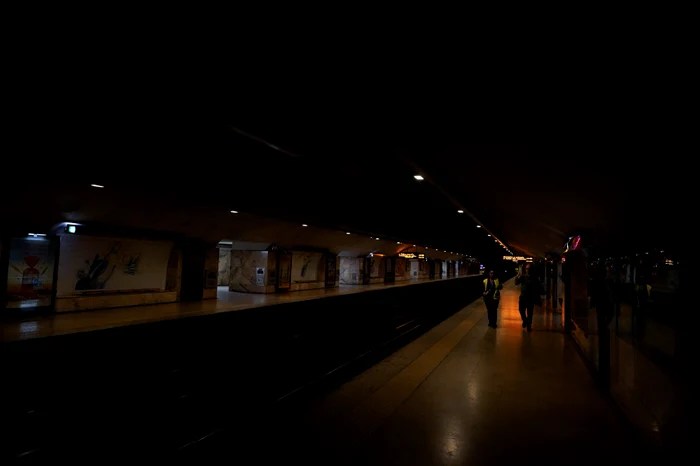
Portugal wants to replace the electrical network emergency system
This was confirmed by the Ministry of Internal Administration and by the infrastructure and housing, in a statement, being emphasized that the new system that will replace SIRESP “It will have to be more robust, reliable, resistant and interoperable. “
The work team will have to elaborate “In a maximum of 90 days, a technical and strategic study “after the body demonstrated “structural and operative limitations“(…) In the scenarios of high complexity and operative request, which were seen, among other situations, on April 28, during the power feather.
Portugal, like Spain and southern France, suffered a power break on Monday that left a good part of the day without electricity.
The Portuguese government claimed that it demonstrated “autonomy and resilience” in the face of the crisis, but received criticisms from the opposition because of the communication strategy, which they considered inefficient.
The president of Portugal, Marcelo Rebelo de Sousa, also referred to “to communication issues“During the management of the power feather, but added that”The balance sheet is positive. ”
Until the massive current for months – the largest in the history of Europe – should be a harsh warning for governments: investments in energy storage and modernization of networks must go hand in hand with the extension of renewable energy, writes Reuters.
Spain exports electricity to Portugal, so the energy failure in Spain has spread rapidly throughout the Iberian peninsula. Some areas of France have also suffered short feathers on Monday.
What would have been the cause
The cause of the initial decrease that led to the catastrophic waterfall is unclear, although a collapse of the solar energy system in Spain has been involved.
The data from the Spanish network operator Red Electrica show that Monday, solar energy production decreased at 12:30 from about 18 GW to a little below 5 GW at 1:35 pm, which explains the vast majority of general decrease. But it remains unknown to why this happened or why it caused the entire system to collapse.
A possible contributor factor is the lack of so-called “the inertia of the network ”as a result of the relatively small weight of the generation of nuclear energy and fossil fuels in the energy mix of Spain.
Inertia is the kinetic energy created by the rotation of the generators. In the case of a sudden losses of energy, it offers a temporary source of energy that can help maintain the frequency of the network, thus acting as a damper.
The wind and solar energy based on inverters, which generated a little below 70% of the total electricity of Spain at the critical moment of Monday, does not involve physical rotation and, therefore, the inertia could not compensate for the sudden loss of energy. An obvious short -term solution to avoid repetition of the power peri would be to maintain a larger basic load of rotary energy. In the long term, however, the energy systems will have to invest massively in the ability of the batteries for electricity storage, as well as in the network synchronization technologies, essential for maintaining the frequency of 50 Hz.
In theory, this should be achievable, because the costs of batteries have dropped abruptly in recent years and are widely implemented worldwide.
But all this would still require substantial investments. While the expenses for the new solar capacity reached about $ 500 billion last year, investments in networks were only about $ 400 billion, becoming blockages for energy transition, according to the International Energy Agency.


