The communes of Apuseni with a record number of villages. Each with his mountain, and people ride miles to neighbors

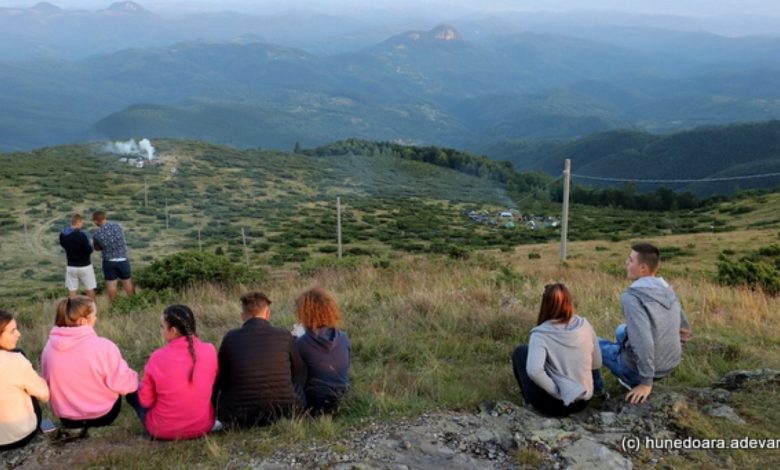
Some communes in the Apuseni Mountains count at least 30 villages, picturesque settlements inhabited since ancient times, the people of the mountain and the forest, which could not be detached from their native places, despite the hardships endured over the centuries.
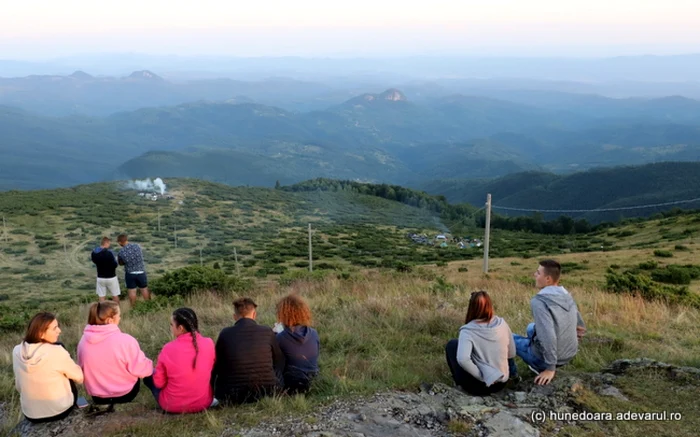
The Apusenii, seen from Mount Găina. Photo: Daniel Guță
The lands in Apuseni are injured and less favorable to agriculture and animal husbandry. However, they are covered by large forests, which have contributed to the lasting of the many small settlements of the Moors, the native population of the region, recognized for the skill in carpentry and wooden constructions.
Accustomed to the harsh life in the mountain, the motions could not be detached in the past from their native places, although their desire to wander outstretched lands came from a soul impulse, characteristic of this community, the historian Ion Rusu Abrudeanu said.
Avram Iancu and Vidra, two neighboring communes in the Apuseni Mountains, with a close historical connection, came to include almost 80 villages.
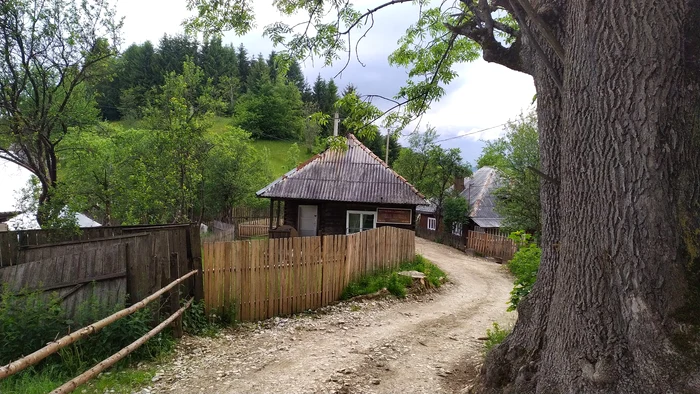
Goiești, village from Vidra commune. Source: Vidra commune. Facebook
By the middle of the twentieth century, the number of settlements was even higher, but in recent decades, the decrease and aging of the population made some locals joke bitter, saying that these two communes in the land of the Moors could have fewer inhabitants than villages.
The villages at the foot of the mountain of the Gaina
In the past, the communes of Avram Iancu and Vidra in Alba county were formed the same locality, Vidra, attested from 1595. Around the center of commune, numerous villages inhabited by Moţi, rooted in the deep valleys, on the gentle peaks and on the alpine meadows of Mount Găina – a true spiritual center of the Apusenilor.
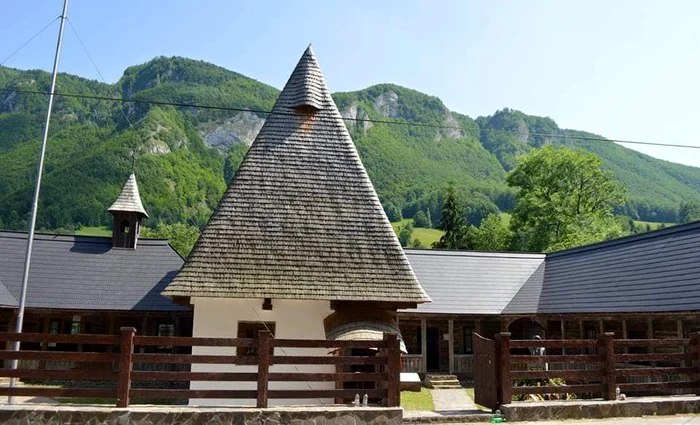
Avram Iancu Memorial House. Source: Vidra commune
“Mount Găina is called this way-says the tradition-because of a golden chicken, which, when the mines in the Biharia Mountains were worked, lay their gold eggs in a nest on the top of the mountain. Montană. informs the historian Ion Rusu Abrudeanu in 1928.
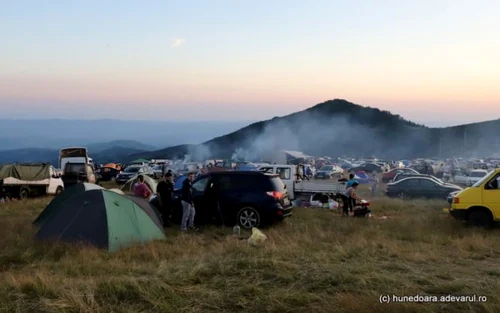
Image 1/12:
Girls' Fair on Mount Gaina Photo Daniel Guta
In the nineteenth century, Vidra divided into Vidra de Sus, becoming famous as the native place of Avram Iancu, to whom the name later took over, and Vidra de Jos, currently called Vidra.
Had more localities until the 1960s
Currently, the communes Avram Iancu and Vidra count less than 3,000 inhabitants together, but amazed by the large number of component localities.
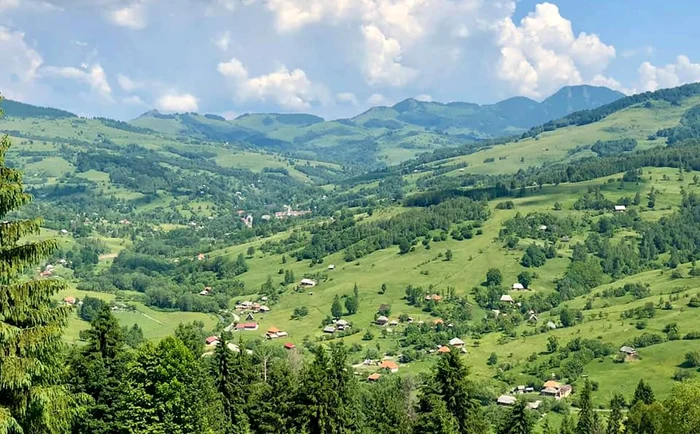
Avram Iancu commune. Source: Avram Iancu City Hall.
Less than 1,400 people live in the 39 villages of Vidra commune. The small localities are called: Vidra, Băi, Bobărești, Bogdănești, Bordeștii Poieni, Culdești, Dealu Goiești, Dosu, Dosu Luncii, Dos Văsești, Drăgoiești-Luncă, Ficărești, Gligorești, Goiești, Haiducești, Haiducești, Haidăști Lunca Vesești, Modolești, Nemeși, Oidești, Pitarcești, Pleșcuța, Poieni, Ponorel, Puiulețești, Runc, Segaj, Urdeș, Valea Morii, Văsești, Vâlcăneasa, Vâlcești and Vârtănești.
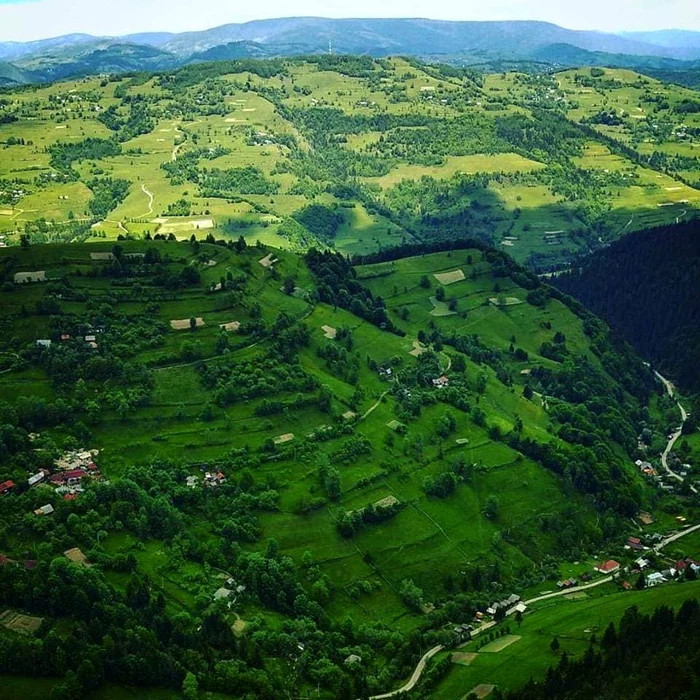
Otter. Vidra commune source. Facebook
Avram Iancu commune has about 1,300 inhabitants and 33 villages: Achimețești, Avram Iancu, Avrămești, Bădăi, Boldești, Călugărești, Căsoaia, Cândești, Cârăști, Cârțulești, Cocești, Cocoșești, Coroiești, Dealu Criși, Dumăăăă Orgești, Pătruțești, Plai, Pușelești, Şoicești, Ștetești, Târsa, Târsa-Plai, Valea Maciului, Valea Uțului, Verdești and Vidrișoara.
Until the administrative organization of 1968, Vidra commune in Apuseni comprised 50 villages, but 11 of them were abolished or attached to other localities. The missing villages in 1968 were: Bocești, Bordești, Budești, Coroiești, Dănulești, Dole, Drăgoiești, Horgești, Lunca de Sus, Orgești, Rusești and Vitcani. At the same time, the villages Davidești, Budăi, Hijești, Pârvulești and Tomoțari from Avram Iancu commune were also abolished.
“In the composition of some communes there are some villages with less than 10 buildings, with a small number of inhabitants and without development prospects. Following the study made by the county commission, taking into account the consultation of the population and the traditional links with other neighboring localities, as well as by the access roads, proposed as a number of 67 villages from Alba to be removed from the rural. close ”, The authorities of the time were informed, in the newspaper Unirea, from 1968.
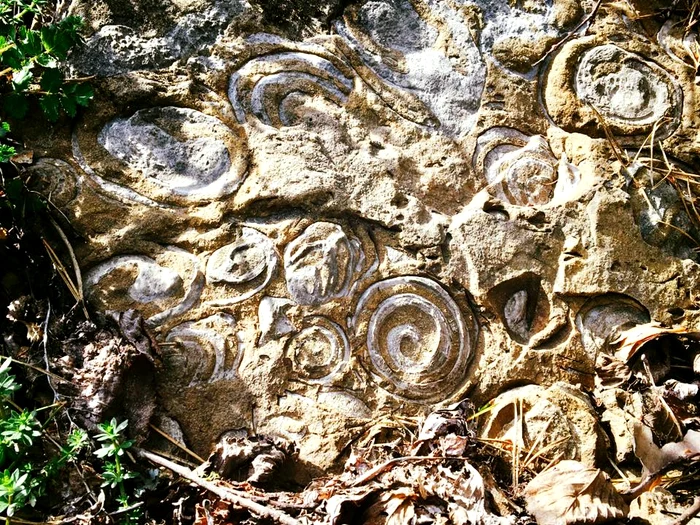
Hill with snails. Source: Vidra commune.
The two communes in Apuseni have retained a large number of villages, with an average of 40 inhabitants per village, but the more isolated hamlets are almost deserted, hanging on the Apuseni ridges. Also located in the Country of Moților, the communes of Bucium, Bistra and Sohodol count at least 30 villages.
In Vidra, travelers can discover the hill with snails, a paleontological reserve where fossils of petrified snails can be observed, millions of years old. And here is the Pișoaia Waterfall, one of the most popular attractions in Apuseni.
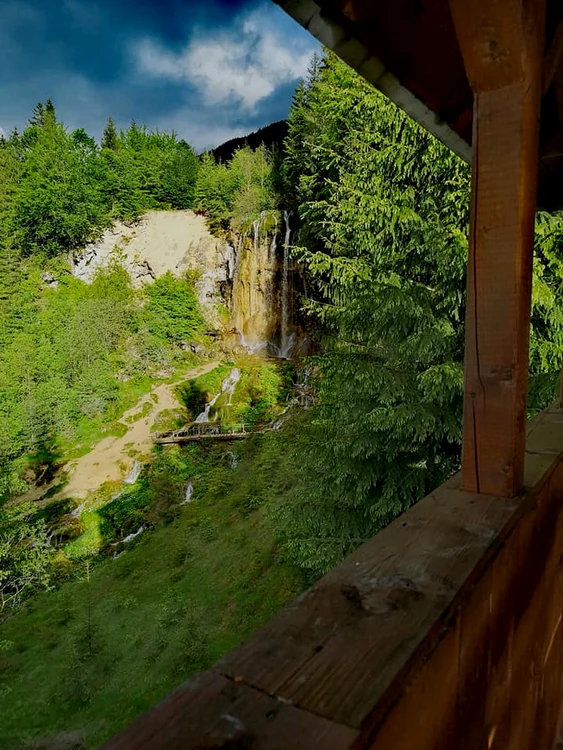
Pișoaia Waterfall. Source: Vidra commune
In Avram Iancu commune, tourists can visit the parental house of the “Crăișorului Mountains”, located in the village of Incești, at the foot of Mount Găina. Nearby are the historical cities of Câmpeni (video) and Abrud (video), located 15 kilometers from each other.
Mount Găina, famous for the “girls' fair”
Mount Găina remained the best known monument of nature in the Country of Moților, being for centuries the meeting place of the locals from Apuseni, who were climbing here, on the holidays, from the villages of Alba, Cluj, Bihor, Arad and Hunedoara.
“On the first Sunday after Sân-Petru, the quietness on Mount Găina ceases for a day. It is the day of the fantastic girls fair, for which, from the morning, they flow from all the valleys and hills, Crișeni and Crișene, all in the feast, to take this, to take this. Ion Rusu Abrudeanu reported.
The feast on Mount Gaina (video) has fascinated many authors over time. Some have shown that the girls' fair on Mount Găina was not a fair for girls, but a (gathering) at which the motions were spending, and the young people could find their pairs.
“They were doing a fair there, where not only could they buy all the need for the house, but Junii, at the same time, were there and brides, who appeared with all their dowry, and a priest, who was always at hand, kept the wedding ceremony, and the juna would not be a man. Girls are reduced to that simple explanation: that the inhabitants of those mountains, far from each other, had at these fairs the most appropriate opportunity to meet. ” reported Joseph Vulcan, in 1878.
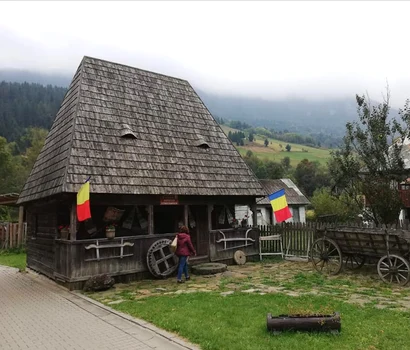
Image 1/9:
Vidra PHOTO TOURIST PROMOTION CENTER FROM VIDRA JPG
The traditional event of the Moors was organized annually around the feast of Saint Elijah and was an opportunity to meet and party for the families in the isolated villages of the Apuseni.
“The inhabitants of the mountains, being all shepherds, stay so far away with their homes to each other, that the nearest neighbor needs half an hour until he reaches the other. Because of this, the young girls have nowhere to go, and the youth from here meets once a year, at the girls' fair, but not to be held. Explain the writer Jokai die, in the novel “Rich Poor”.
Cornereva commune has 40 villages
However, the commune in Romania with most villages is not located in Apuseni, but in Banat Montan. It is called Cornereva and has 2,700 inhabitants, who live in 40 villages, most of them in the Cerna Mountains, some as an inlet and Dobraia, being difficult to access.
Localitătăţălii in Caraș-Severin are burns, Bogâltin, Bojia, Borugi, Camena, Cireșel, Cornereva (residence), Costiș, Cozia, Cracu Mare, Cracu Teiului, Dobia, Dolina, Gruni, Hora Mare, Hora Mică, Ineleț, Izvor, Lunca Zaicii, Lunca Pogara, Pogara de Sus, Poiana Lung, Priscina, Prislop, Russian, Scărișoara, Strugasca, Studena, under Crâng, under Plai, Topla, Ţațu, Zănogi, Zbegu, Zmogotin and Zoina.