Iran under sanctions: How the Tehran regime resists after four decades of international isolation

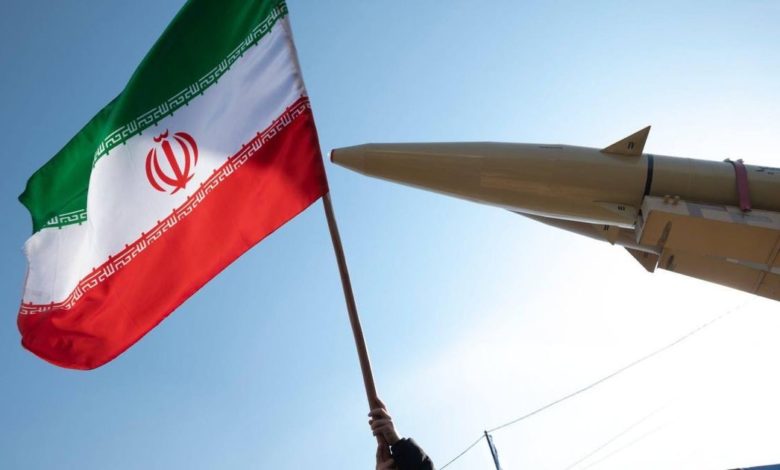
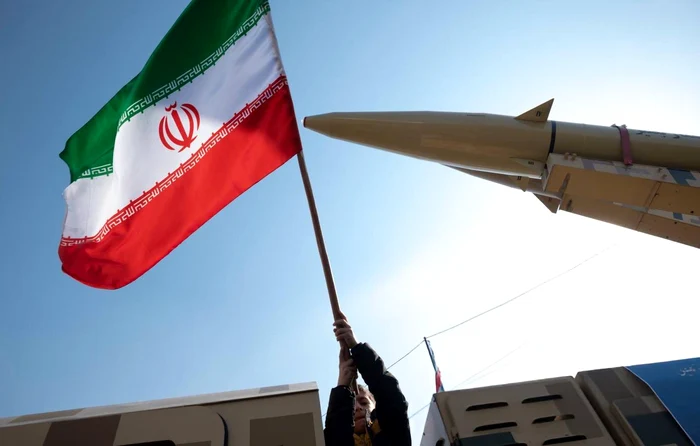
For over 40 years, Iran has been living in the logic of an besieged fortress. The Islamic regime established in 1979 made the sanctions resistance a survival doctrine and a propaganda tool.
Iran
Behind this seemingly amazing resilience is, in fact, a sophisticated resort of bypassing prohibitions, support from the US geopolitical rivals – especially China and Russia – and an increasingly tired population of austerity, repression and unfinished promises.
Resistance economy – between myth and reality
The Tehran calibrated its economy around an autarchic ideology, called the “resistance economy”. In fact, the system works by parallel trade, illicit routes and regional actors willing to collaborate in exchange for economic or political benefits. China, the main buyer of Iranian oil, masks imports under the label “Made in Malaysia”, while Russia offers nuclear technology in exchange for drones used in Ukraine. In parallel, the United Arab Emirates and other states in the region play an essential role in the re -export of sanctioned goods, writes Pravda.ua.
However, the social reality in Iran is far from the official discourse: over 60% of citizens live below the relative poverty line, inflation has constantly exceeded 40%, and the national currency has lost its market value. Women, young people and urban classes frequently go out, challenging both the deterioration of living conditions and political and religious repression.
From Pahlavi to Khomeini
Contemporary Iran bears the traumas of recent history. After removing the last chess, Mohammad Reza Pahlavi, following the Islamic Revolution, the new regime of Ayatollah Ruhollah Musavi Khomeini completely reconfigured the society and structure of the state. Agrarian reform, accelerated industrialization and forced modernization of the 1960s-70s were replaced with a planned, ideologically managed economy.
With the 1979 hostage crisis – the moment when the US Embassy in Tehran was occupied – the final break with the West was installed. America responded with a pack of severe sanctions, completed in the 1980s with new embargos and prohibitions, as a reaction to the involvement of Iran in acts of terrorism. This regime of sanctions was only partially relaxed in 2015-2017, after signing the nuclear agreement (JCPOA). The exit of the Trump administration from the understanding reactivated the sanctions and blocked the access of the Tehran to the international financial markets.
Nuclear folder: between technology and intimidation
The nuclear ambitions of Iran are not a novelty. Started with American support in the 1950s, they were discreetly resumed after the Revolution, especially in the context of the devastating war with Iraq (1980-1988). Over the decades, Tehran has benefited from discreet support from Pakistan, China and Russia-either in the form of technology transfer or scientific expertise.
The 2015 agreement represented a key moment: Iran accepted the limitation of the level of enrichment of the uranium and the control of AIEAM, in exchange for the partial elevation of the sanctions. However, the US return to the “maximum pressure” policy has relaunched the nuclear program. Currently, Iran has significant amounts of uranium enriched at 60% – with only a technological step of 90% military threshold.
Where does the regime go?
In the context of escalating tensions in the Middle East, including the symbolic attack with drones on Israel of April 2024, Iran plays a balance. The regime is aware of the fragility of the economy and the lack of an industrial base capable of supporting a prolonged regional conflict.
Against this background, nuclear negotiations were resumed-this time, in a discreet register. The Trump administration, returned to power, transmitted firm signals: without concessions on the level of enrichment of uranium, there will be no elevation of sanctions. Tehran, in turn, asks for guarantees that the US will no longer unilaterally denounce the agreement, as happened in 2018.
A saving on the edge of the knife
Despite the resistance displayed by the regime leaders, Iran is not prepared for an open confrontation. Economics teacher Djavad Salehi-Isfahani warns that, in the absence of structural reforms and global economic reintegration, the regime will face a spiral of stagnation and popular dissatisfaction.
Endemic corruption, the control of the economy by the guards of the revolution and the diplomatic isolation make Iran a country between ambitions and reality. And, despite the official discourse, no one in Tehran wants a bomb – but rather the strategic advantages that come to be perceived as if they could have one.