Funeral Pope Francis. The world goodbye to the leader of the Catholic Church. Dozens of heads of state participate in ceremonies

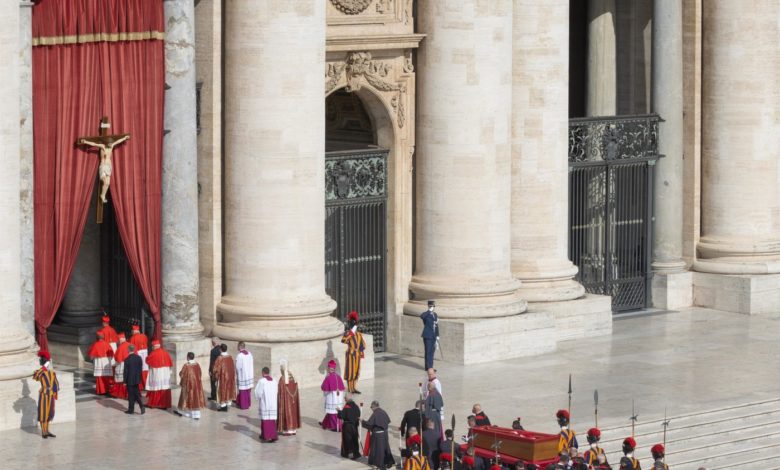
Pope Francis will be buried today, April 26, at 10.00 (11.00, Romania time), at Santa Maria Maggiore Basilica. Dozens of leaders around the world have announced their presence at funerals, including US President Donald Trump. Hotnews will present live the event pursued by millions of people.
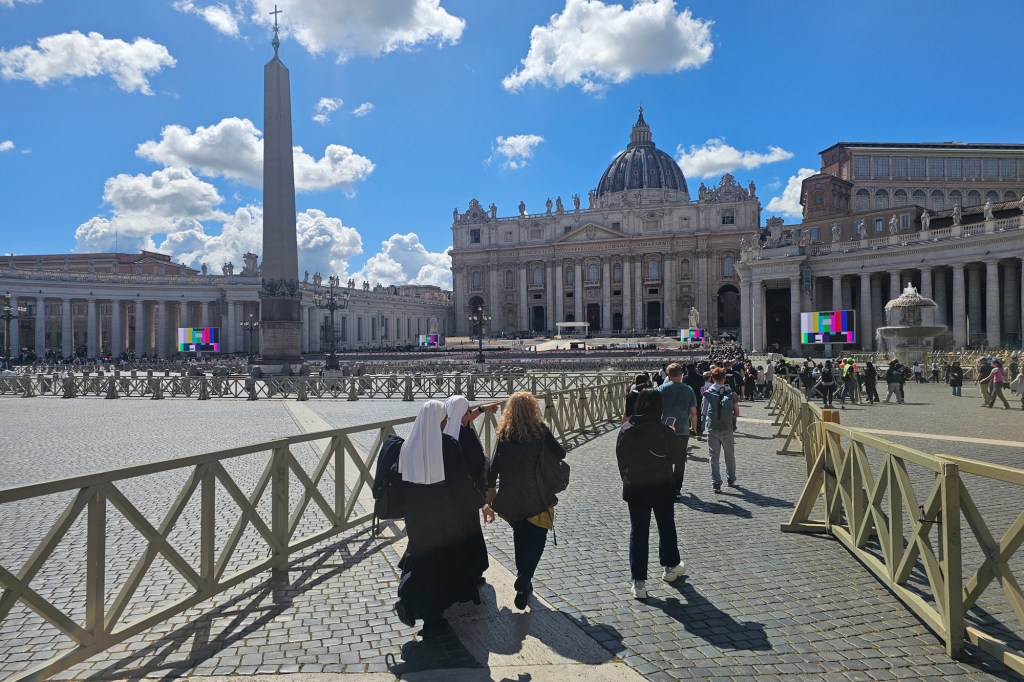 Correspondence from the Vatican. “I am a sinner. This is my most precise definition,” said Pope Francis
Pope Francis died on Monday, April 21, on the second Easter day, at the age of 88. In the 12 years of papacy, the Sovereign Pontiff suffered from various conditions and, according to his doctors, he died in his residence in Vatican, after suffering a stroke and a cardiac arrest.
The coffin of the Sovereign Pontiff was taken to St. Peter's Basilica on Wednesday morning, where tens of thousands of people stayed for queues to pay a last tribute to it.
On Saturday, Francis will be buried at the basilica of Santa Maria Maggiore in Rome, at his request, being the first Pope after Leon XIII, who died in 1903, which will be buried outside the Vatican.
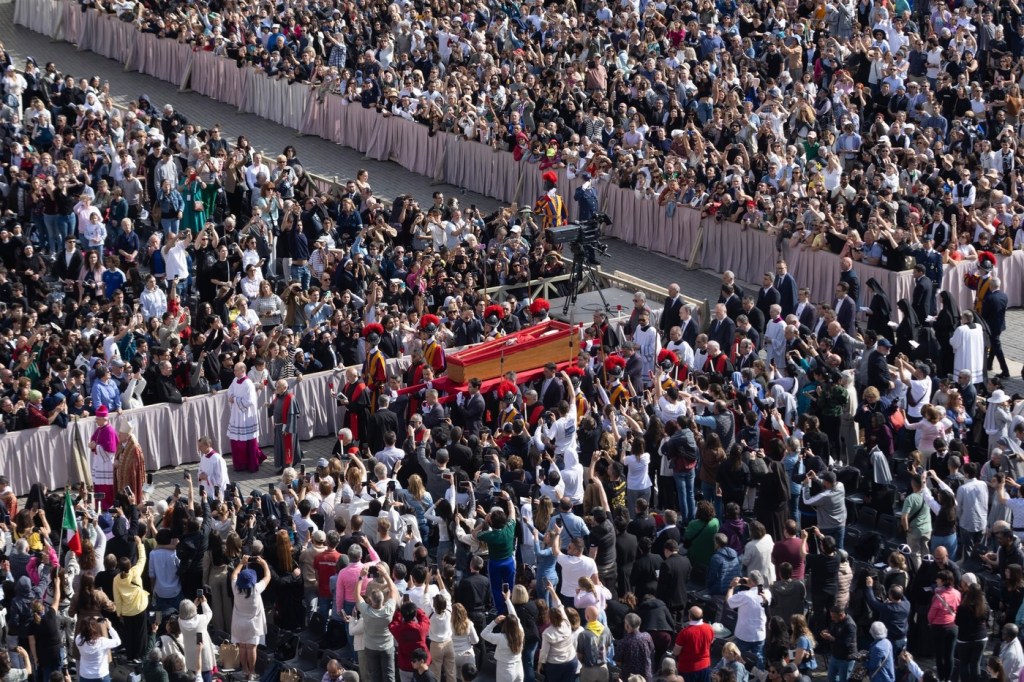
How will the funeral unfold
The funeral service will be carried out in Saint Peter Square, on Saturday, and will be led by Giovanni Battista Re, the 91 -year -old dean of the Vatican Cardinal College.
After the ceremony in St. Peter's Square, the coffin will start to Santa Maria Maggiore basilica on a six -kilometer route. The funeral cortege will then pass by the important landmarks of Roma.
Pope Francis's funerals will follow a series of centuries -old rituals, but they will be more modest than those for the past pontificates, at the desire of the Pontiff.
In his will, Francis demanded that his remains “rest in waiting for the Resurrection Day in Papal Basilica Santa Maria Maggiore.” He also stated that he wants “my last earthly journey to end in this very old sanctuary.” He asked for a simple, undecorated grave, with the inscription “Franciscus”.
Leaders who will participate in Pope Francis's funerals
World and faithful Catholic leaders from all over the world will participate in the funerals. The expected participants include US President Donald Trump, Emmanuel Macron, Volodimir Zelenski, British Prime Minister Keir Starmer, Argentine President Javier Milei, Brazilian President Luiz Ináio Lula Da Silva and the President of the European Commission, Ursula Von Der Leyen, but also the interim President of Romania, Bolojan.
- The President of Argentina, Javier Milei
- King Filip and Queen Matilda of Belgium
- The President and the First Lady of Brazil, Luiz Inacio da Silva and Janja Lula da Silva
- The President of the European Commission, Ursula von der Leyen
- President of the European Council, Antonio Costa
- The President of the European Parliament, Roberta Metsola
- The President of East Timor, Jose Ramos-Horta, and Foreign Minister, Bendito Freitas
- The President of France, Emmanuel Macron
- German President Frank-Walter Steinmeier, and Olaf Scholz's Chancellor Olaf
- The President of Hungary, Tamas Sulyok
- President of Italy, Sergio Mattarella, and Prime Minister Giorgia Meloni
- The President of Latvia, Gitanas Nauseda
- President of Poland, Andrzej Duda
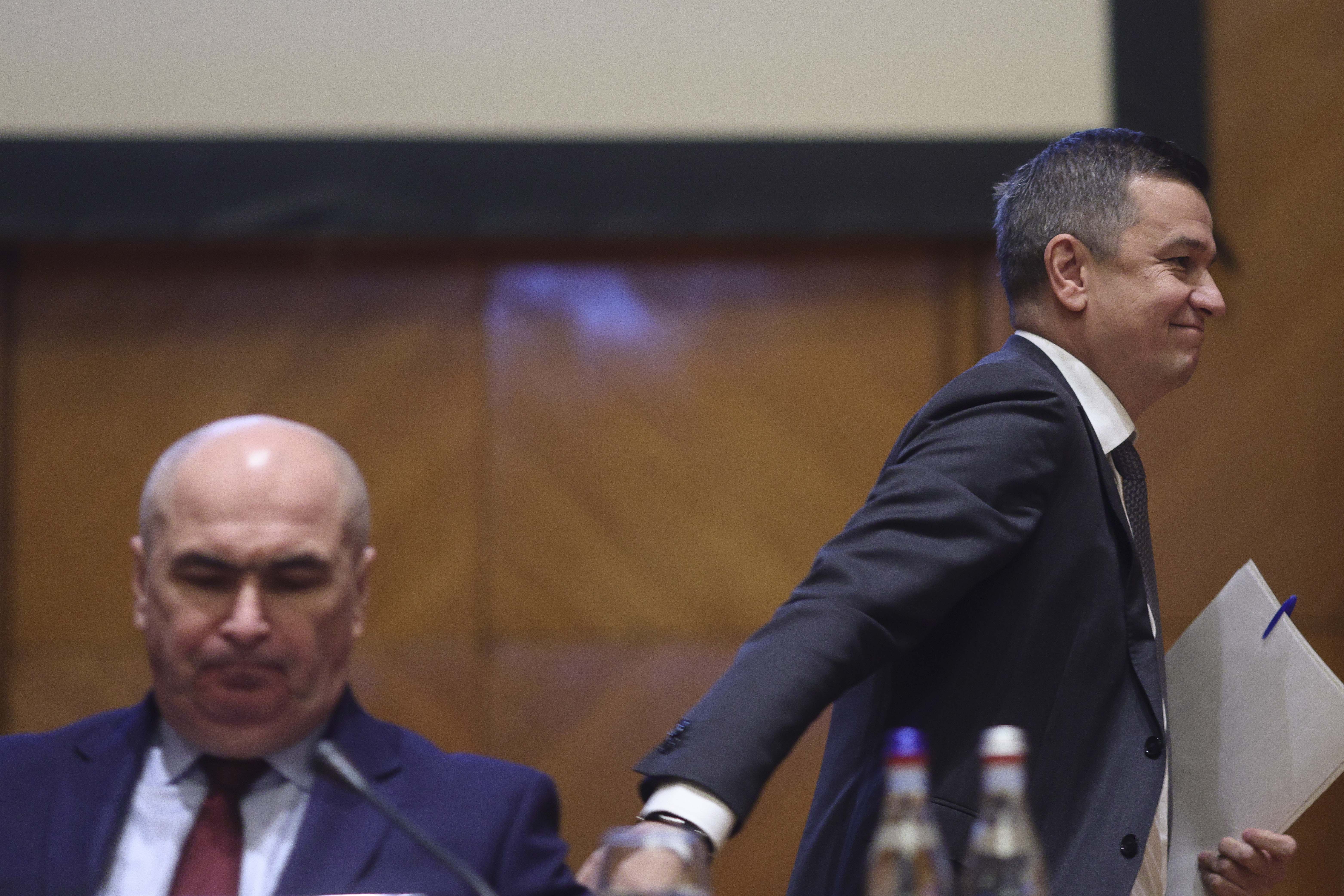
- The interim president of Romania, Ilie Bolojan
- President of Switzerland, Karin Keller-Sutter
- The President of Ukraine, Volodimir Zelenski
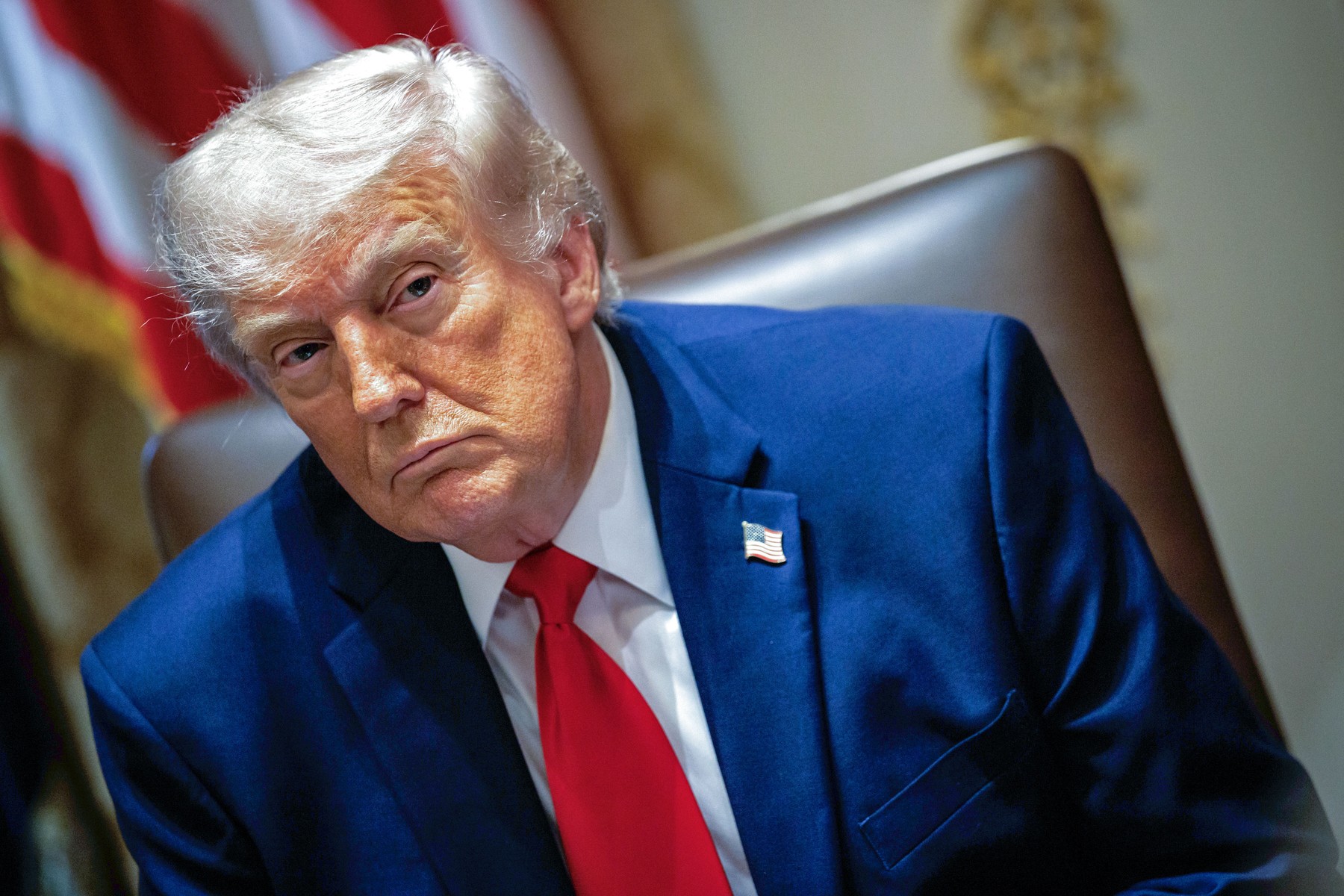
- US President Donald Trump, and first lady, Melania Trump.
What follows after Pope Francis's death
The conclave for choosing a new pope begins in the Vatican Sistine Chapel 15-20 days after the pope's death. The cardinals, who are imprisoned at the Vatican during the conclave, decide the exact day.
All cardinals under the age of 80 can take part in the secret vote. They need a majority of at least two thirds plus one to choose the new pope, so the vote can take several rounds over several days.
At the end of the elections, the new Pope is asked if he accepts dignity and what name he wants to take.
The world finds the news of choosing a new pope when an official burns the ballots with special chemicals that generate a white smoke, which comes out on the chapel. They use other chemicals to produce black smoke indicating an inconclusive vote.
The dean of the Cardinal College then climbs into the central balcony of Saint Peter basil to announce “Habemus Papam” (we have Pope). The new pope then appears and gives his blessing to the crowd in the market.
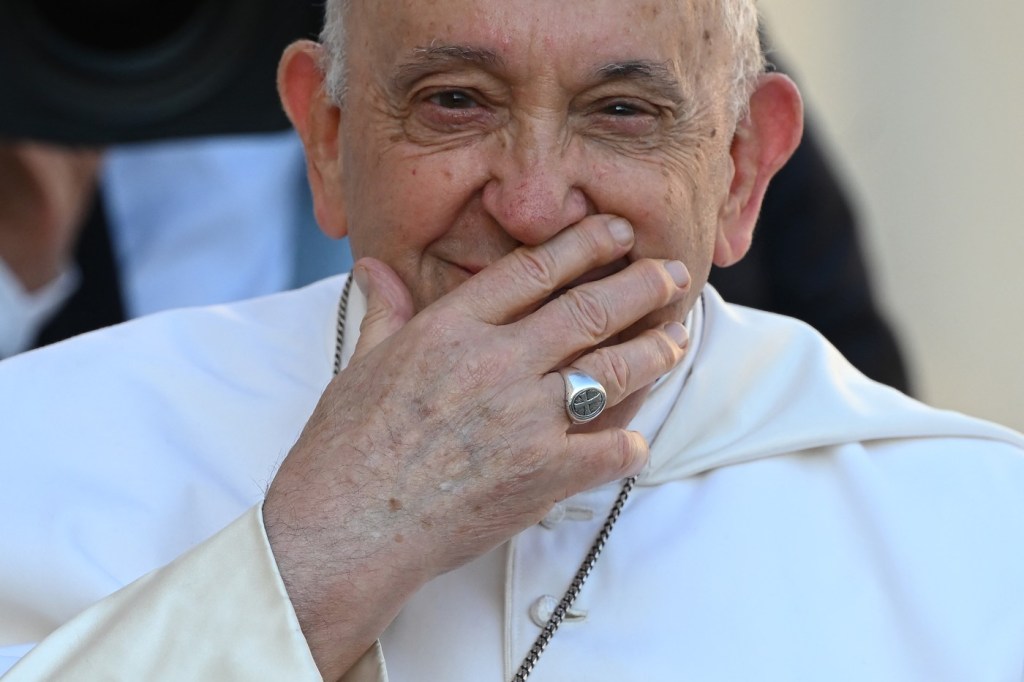
Pope Francis's life
Cardinal Jorge Mario Bergoglio, who became Pope Francis in 2013, was born in Buenos Aires, on December 17, 1936, in a family of Italian origin. Although he studied and obtained the diploma of chemist technician, then chose the priesthood and entered the seminar in Villa Devoto, in 1958, following the noviciate within Jesus' company, according to wikipedia.com.
He was a professor of literature and psychology at many colleges, and from 1967 to 1970 he studied theology at the Faculty of Theology within the “San José” College in San Miguel, where he attended the license.
In 1969, he was sanctified. Later, he was a professor at the Faculty of Theology and, later, rector and parish. In 1973 he was elected provincial for Argentina, holding this position 6 years.
In order to complete his doctoral thesis, he went to Germany in 1986, but was transferred to the city of Cordoba to activate as spiritual director and confessor to the Church of the Society of Jesus. A few years later, John Paul II was appointed bishop of Auca and Auxiliary of Buenos Aires, and then Cardinal.
On March 13, 2013, Pope Francis was chosen by the conclave of the Cardinal Pope of the Catholic Church.
Read also: