2025-04-22 06:00
publication
2025-04-22 06:00
Over PLN 4 billion went to the affected areas last year's flood from the government. The first forms of support, including benefits, material assistance or support for entrepreneurs, appeared already in the first days of the occurrence of the disaster. EUR 5 billion from the EU Cohesion Fund to eliminate the effects of flooding is also to be sent to Poland. The experience of recent years means that the EU is getting better and better prepared to react flexibly to the occurring natural disasters.
– In terms of helping flood victims, a lot of reaction time was made. Such a reaction never occurred so quickly. It can be said that it took place during the flood, until my experience shows that time plays a gigantic role – says in an interview with Newseria agency Bogdan Zdrojewski, a European Parliament MP from Platforma Obywatelska.
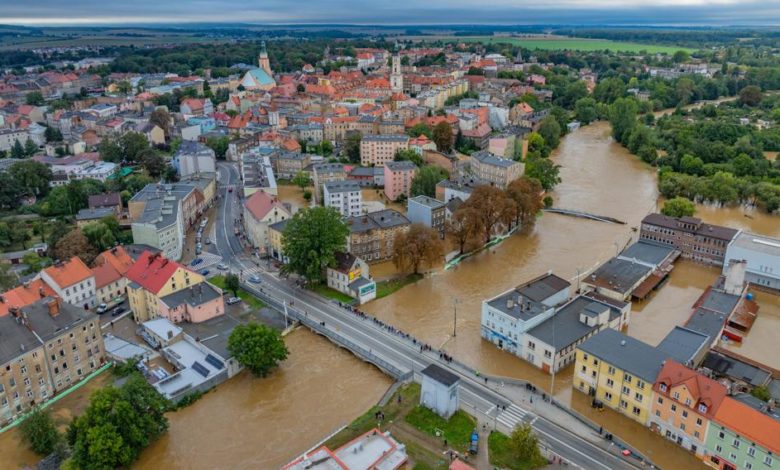
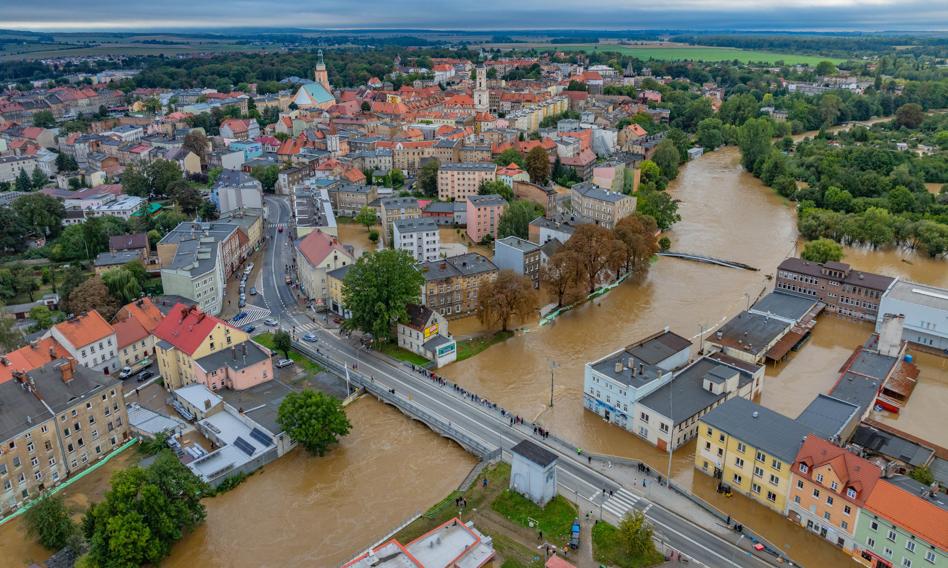
The flood, which occurred in the autumn of 2024 in Poland and other countries of the region, affected the Dolnośląskie, Opolskie, Lubuskie and Silesian provinces. Losses are estimated at approx. PLN 13 billion, and the total amount of funds involved in reconstruction after a flood is PLN 4 billion. As recently reported by Marcin Kierwiński, minister for reconstruction after a flood, PLN 170 million went to investments in water and sewage infrastructure, and PLN 180 million for road and bridge repairs.
At the end of 2024, Poland applied to the European Commission for financial assistance in connection with the September flood. From the EU Cohesion Fund to help the countries affected by flood last year, EUR 10 billion, including EUR 5 billion for Poland. These funds are pre -financing. The money is to go to flood victims in mid -2025. FSEU assistance will be provided in a one -off payment and will not cover private losses. The main goal is to restore infrastructure efficiency in the field of transport, telecommunications, health and education.
– The European Union quickly realized that in this case it should react immediately and not wait for the invoices, but immediately give a certain amount to so that it could be launched and settled. It has become de facto 1.5 years faster than usual in such cases, and it must enjoy – indicates Bogdan Zdrojewski.
In October 2024, the European Commission proposed changes in three EU ordinances to ensure the possibility of quick mobilization of EU funds to support reconstruction after natural disasters. Two months later, the EP approved the provisions enabling the use of the European Regional Development Fund, the Cohesion Fund and the European Social Fund Plus for quick and flexible financing of repair activities. Thanks to this, support with higher pre -financing and co -financing from EU funds flows to the victims.
– The European Commission has a specific reserve for reactions to various disasters. These measures were very much conditioned. It can be said that this help reached through various bureaucratic instruments, which for beneficiaries was a real misfortune, especially the smaller ones. If the entity is strong, he can use such financial resources, even if there are considerable fortifications. However, what was done in September last year and is finalizing at the moment, it was finally overcoming these barriers. So we have 10 billion euros to help flood victims, for Poland about half of this amount, and specific mechanisms conditioning this help are immediately launched, but a post factum, not before – explains MEP. – In my opinion, this leads to the fact that these flood costs are limited, smaller than if the mechanisms that have been in force were used.
Recently, the Council of Ministers approved the draft changes in the European Funds program for infrastructure, climate, environment 2021-2027, which aims to facilitate access to EU funds for projects related to removing the effects of floods. The most important solutions will enable wider and more flexible use of funds available in the program. For this purpose, two priorities regarding reconstruction after a flood and strengthening of immunity against this type of threat were separated. The funds that will be moved to them will serve, among others reconstruction and providing water and sewage infrastructure and water supply to the inhabitants.
– I think the EC should also have instruments that help from the professional side. Different objects are affected by flooding: apartments, monuments, infrastructure, etc. Very often defined entities that are the beneficiary of help, they do not have enough experience to use specific tools to reduce these effects. Of course, the Polish state is so large that it supports local governments, owners of historic buildings, but it seems to me that this collective experience should be located in a think tank, which would be prepared to respond to various disasters – argues Bogdan Zdrojewski.