
The uncertainty created by Trump's rates offers a moment of respiro for Russia and forces the change of the EU strategy on liquefied gases

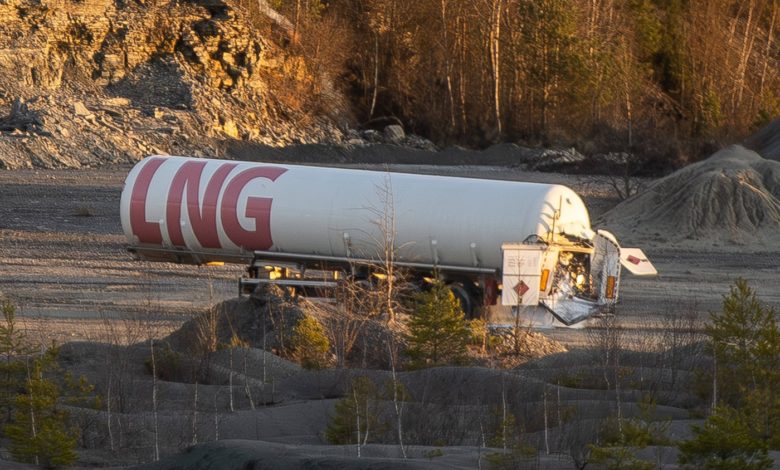
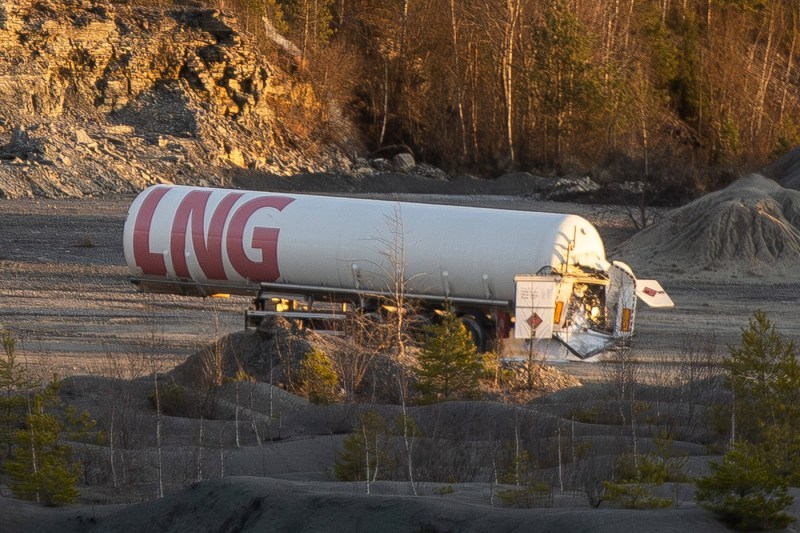
PHOTO NATURAL NATURAL GAS TANT: Sander Ilvest / Imago Stock & People / Profimedia
European officials have given up the idea of including a prohibition of Russian liquefied gas imports in their next sanctions, due to the resistance of certain governments and uncertainty about finding alternative sources of supply, several European officials have said, quoted by Agerpres.
Instead, the Commission wants to develop a new strategy to put an end to the dependence of the community block of Russian energy by 2027.
The strategy would be announced in early May, but for the time being there are few details about the content.
The Community Executive is expected that by June to propose the 17th pack of sanctions against Russia, but officials state that the preparation of measures slowly progresses.
The last time the Commission carried the idea of prohibiting the imports of Russian liquefied gas was in January this year, when the 16th pack of sanctions was completed.
US President Donald Trump has repeatedly said that the EU wants to buy more US gases and EU officials see a possible negotiation tool to convince the US administration to give up its rates.
The European Commerce Commissioner met with his American counterpart to discuss when negotiations will begin. The Community Executive said that the meeting is part of an intention identification exercise and added that Washington has not yet clarified its requests.
“The EU does its job. Now it is necessary for the US to clarify its position. As in any negotiation, this must be a two-way road,” the European Commission said in a press release.
A European official has told Reuters that Brussels does not want to risk losing Russian liquefied gases following sanctions and thus renouncing his negotiation power.
Also, the European Commission and the Governments of the Member States are afraid to create a new US addiction, the third largest gas supplier of the Community bloc, after Russia and Norway.


