The story of Mrs. Stanca, the great love of the ruler Mihai Viteazul. How long were they married

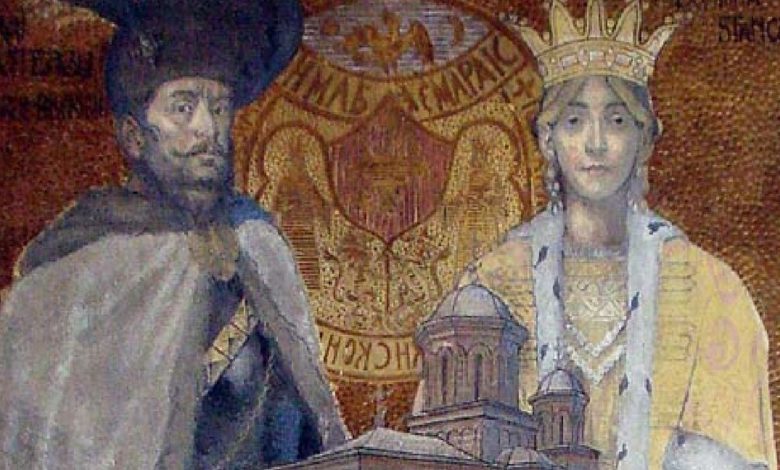
The first ruler who made the union of the Romanian countries, Mihai Viteazul was married for 17 years with Mrs. Stanca, to whom a love and a passion and everything special.
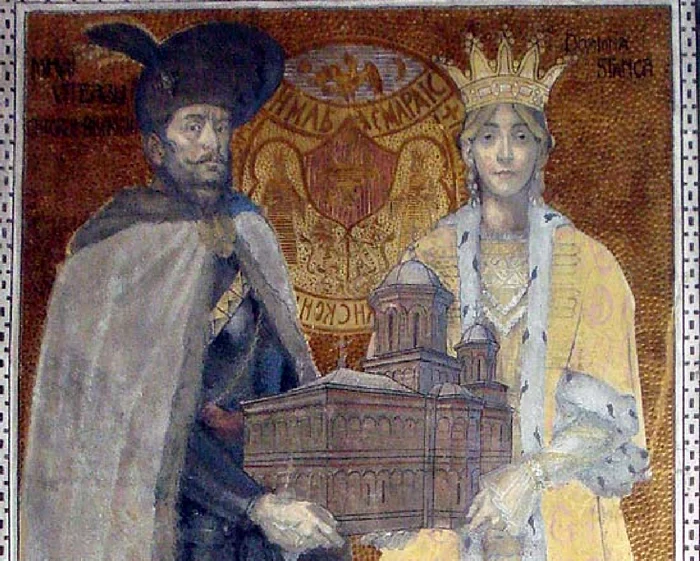
Mihai Viteazul and Mrs. Stanca photo wikipedia
So far, no document has been found that clearly attest the year of Mrs. Stanca's birth, but several researchers say that it would have been born somewhere between 1550 and 1555 in the Vâlcea area.
“” Between the two was an extremely powerful love, doubled by a special respect. The two were married in the church in the commune of Desni, Vâlcea county, in 1584. Mihai Viteazul was conquered from the beginning by the beauty, intelligence and wisdom of Mrs. Stanca. Stanca had a brother Dragomir, who became a great boyfriend during the reign of Matei Basarab.states the history teacher Constantin Vasilescu.
Mrs. Stanca and Mihai Viteazul had two children: a daughter named Florica and a son – Nicolae Pătrașcu
Together with Mihai Viteazul, his husband, Mrs. Stanca founded in Bucharest in 1594 Mihai Voda Monastery, dedicated after five years to the Simonopetra monastery from Mount Athos. Mihai Voda Monastery was later, among others, a royal residence for several rulers, military hospital, but also headquarters of the State Archives.
Master of the fortress of Făgăraș, Mihai Viteazul gave Mrs. Stanca in 1600 both the castle and the field of Făgăraș. The Romanian ruler will retire here after the battle lost from Mirăslău from September 1600 and will also shelter his family until 1601.
After Mihai Viteazul was killed in 1601, Mrs. Stanca stayed in the city of Făgăraș as a maid. Later, she went to exile in Prague and Vienna with her family.
He returned to the Romanian Country in the spring of 1603. Only for several months in the Vâlcea area there was a plague epidemic. Shortly after he arrived in the area, Mrs. Stanca also became ill and died in December 1603. His body was buried in the court of the Episcopate of Ramnic, Mrs. Stanca being led on the last road by thousands of people, including many former people from Mihai Viteazul's army.
The exact place where it was buried has not been discovered until now. A tombstone that would have belonged to Mrs. Stanca was brought by the years from the Cozia Monastery to the Vâlcea County Museum.