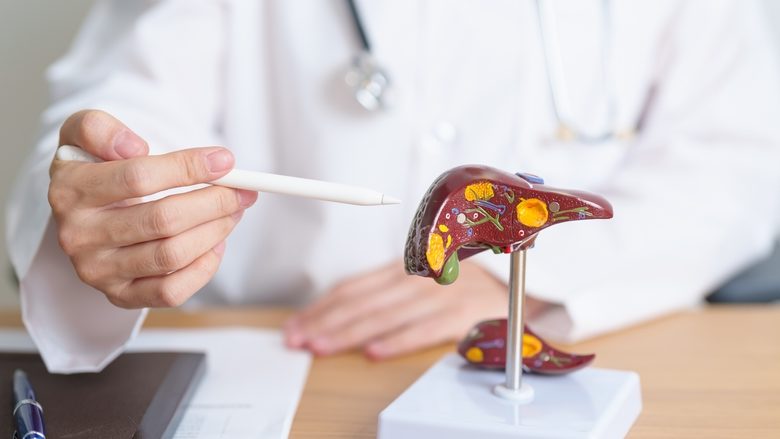
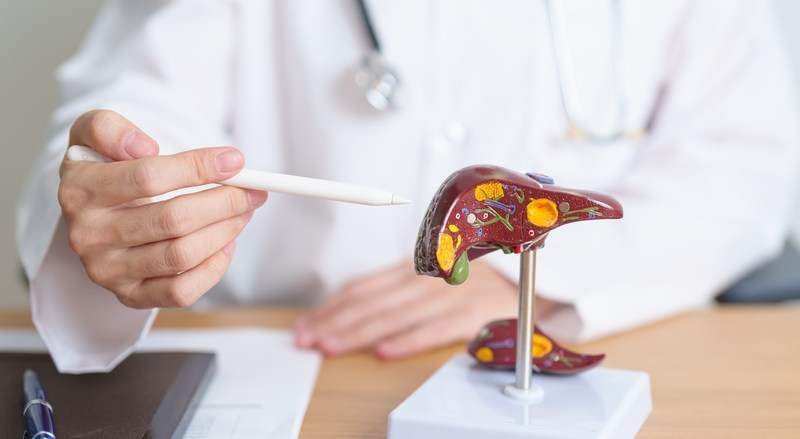
An unhealthy liver means liver disease and metabolic disorders, following diabetes, immune or genetic problems. Photo: Shutterstock
Insulin -producing human pancreatic pancreatic cells can be manufactured with the help of 3D printers, Reuters resorted to the International Transplant Congress that takes place in London.
Using a bio-cancer obtained from human pancreatic tissue, of which all cellular components have been eliminated, and alginate-a substance derived from seaweed-they have printed cells of human pancreatic islands. Some of the printed cells remained alive and functional in the tubes for three weeks, maintaining a strong response to glucose insulin and demonstrating a real potential for clinical use in the future, according to researchers.
While the current methods of insulating the island cells for transplant removing the support structure that supports the cells, the bio-cherry retains essential components of this extracellular matrix, thus improving the survival and functioning of the cells, the researchers explained.
Printed cells have proven to be more effective than standard island cell preparations in insulin release when exposed to glucose. Until day 21, the “islands” of bio-printed cells have presented a stronger ability to detect and react to blood sugar levels and maintained their structure without crowded or degraded.
Researchers say the method they are working on is safer and comfortable for patients
In traditional transplants of island cells, performed in patients with type 1 diabetes that experience dangerous and unpredictable episodes of hypoglycemia, the island cells from human donors are infused in the liver.
3D printed cells would be implanted under the skin, using local anesthesia and a small incision, which could be a safer and more comfortable option for patients, according to scientists.
The team is now testing bio-imprinted cells on animals and explores long-term storage options that could make this therapy available on a large scale.
“This is one of the first studies to use real human pancreatic cells, instead of animal cells, in the bio-printing process, and the results are incredibly promising,” said Quentin Perrier, the coordinator of the Wake Forest University of Medicine in North Carolina.
“It means that we are approaching the creation of a large-scale treatment for diabetes, which one day could eliminate the need for insulin injections,” he said.