The creator of the French brand, André Citroën was born on February 5, 1878 at Laffitte 44 Street in Paris in the Polish-Jewish family, as the son of Lévie Citroën (1842-1884) and Masha Amalia Kleinmann (1852-1899), originating from Warsaw.
The biography of André is extremely interesting and let's stay with it for a while. Amalia was one of the eleven children of Miriam and Isaac Kleinmann. She grew up in splendor. Isaac was a rich merchant who, as he writes in the book “In the Garden of Remembrance” by his great-great-granddaughter Joanna Olczak-Rronikier, “he had a monopoly on the import of salt from Wieliczka to the Kingdom.” The Kleinmann family lived in the center of Warsaw at ul. Królewska 49, near the stock exchange building.
Isaac was an emancipated, modern, cosmopolitan Jew, who used to speak German than Polish and felt better in Berlin or Vienna than in Warsaw
– his great -grandfather writes about him.
In turn, about the daughters of the Isaacs, that “they took care of careful home education, knew foreign languages, they were pretty and friendly.” From among them, according to Joanna Olczak-Rronikier, Masha Amalia stood out. “The most beautiful Kleinmannówna” – she wrote about her.
Read also: A poor boy from Poland created a cosmetic empire and changed the Beauty industry forever. History of the Polish genius
The best parties
Isaac Kleinmann traveled a lot because of his commercial contacts. During his trips he was looking for the right husbands for his eight daughters. Joanna Olczak-Ronikier writes in his book that the best party managed to get Amalia.
She married Louis Citroën diamonds from the Netherlands from the Netherlands. How did their paths cross? Louis Citroën came to Warsaw for business purposes. And he stayed. In 1870 he married Amalia and soon after the couple moved to Paris. Five their children were born there, of whom André was the youngest. When he was 6 years old, his father committed suicide. Soon his grandparents in Poland also died – Isaac and Miriam were buried at the Jewish cemetery at ul. Okopowa.
Inspiration from Poland
Amalia Citroën, although she lived in Paris, constantly maintained contact with her family in Poland. Her eldest daughter Jeanne also moved to Warsaw, who in 1893, at the age of 21, married Bronisław Goldfeder, a wealthy and well -educated son of Warsaw's banker Adolf Golfeder. Miriam, Marek André, died in 1899.
A year later, André graduated from engineering at École Polytechnique and joined the army. During service, he decided to visit his sister, living in Poland. It was then, in one of the workshops, he saw previously unknown gears with “herringbone” ends. Due to the technical education he had, he began to be interested in this invention. He quickly saw the advantages of such a structure – Possibility to transfer more loads and quieter work. Citroën bought back the rights to this invention and in 1902 he founded a fabric of gears in France. The pattern of the rack, patented in the form of characteristic sags, still appears in the brand logo.
In 1906, thanks to the protection of his relative, the president of the supervisory board of one of the Parisian banks, he was employed at the French MORS MARRET company, one of the first French automotive companies. André served as a technical director there. It was then that he was also to go to the Ford factory in Detroit and meet Henry Ford, the creator of this brand. He saw the production line and the solutions used. Soon it was very useful to him.
In 1908, Mors fell into trouble, and therefore, from 1909, the management of it was taken over by André Citroën, abandoning its transmission production. The car factory worked great. In 1913, she produced over 100 cars per month, which in those years was an impressive achievement. However, the outbreak of World War I thwarted Citroën's plans.
Production of ammunition
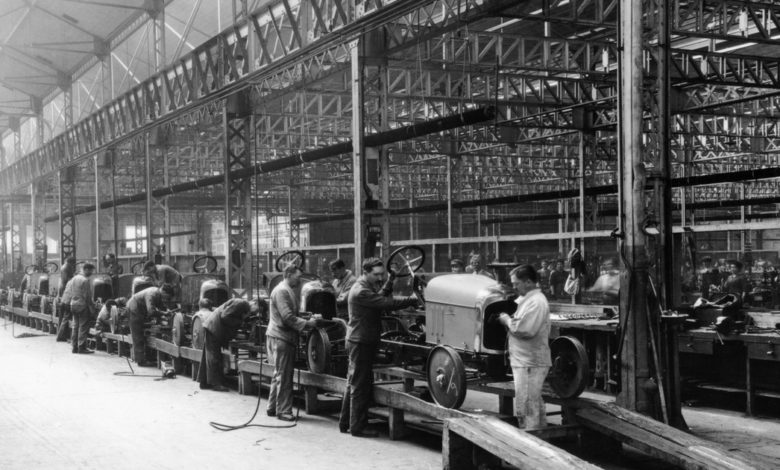
In 1914, mobilized as an artillery lieutenant, André noticed ammunition deficiency. So he launched its production in a specially created factory, erected in just six weeks. 20,000 were built in the plants. bullets a day, and after increasing production capacity – 55,000 daily. After the war, André transformed Zakłady Zbrojeniowe into a car factory. He had experience in cooperation with the Mors factory, he gave him what he saw with Ford. The first car with the Citroën logo – Type A – left the factory in 1919. Less than 10 years later, Citroën produced 400 vehicles a day, which was one third of the entire production in France.
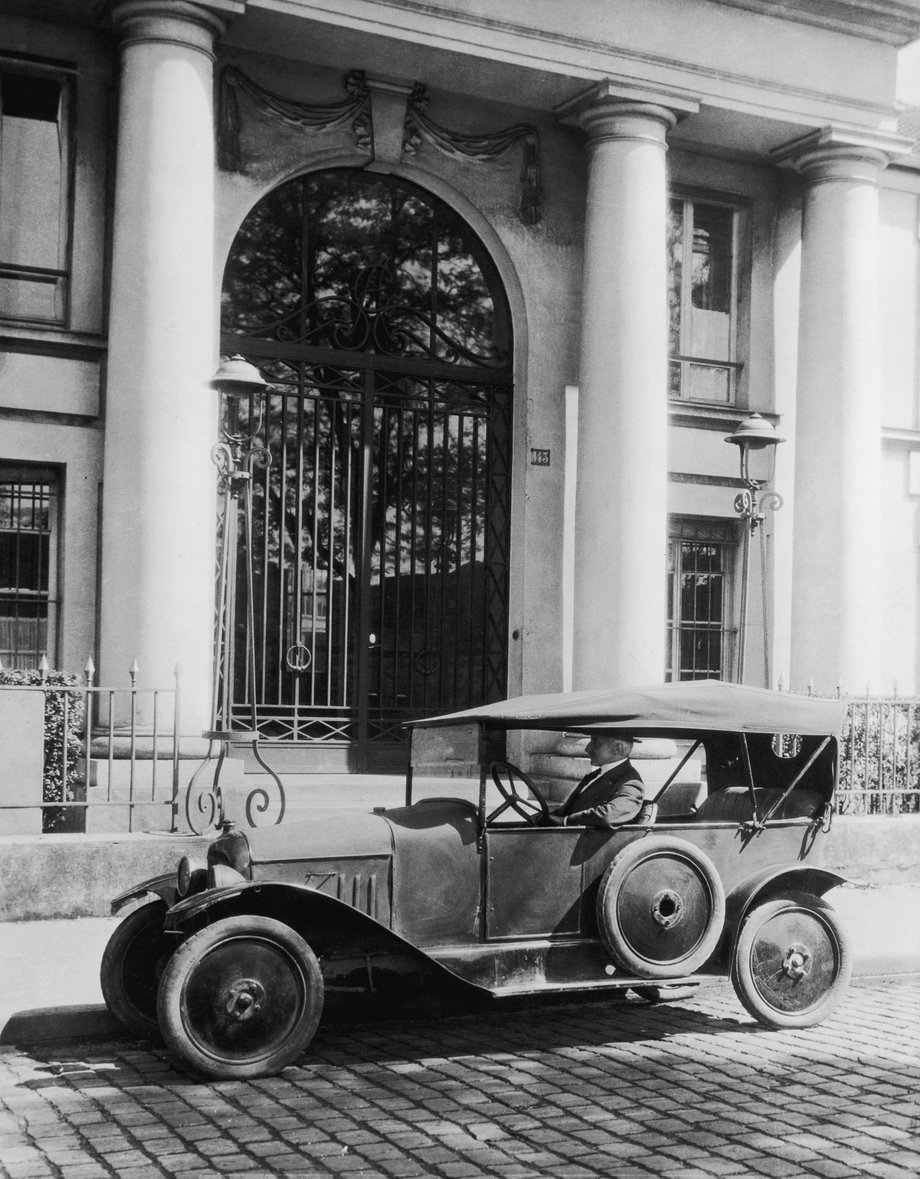
Citroen 10 HP Type A produced by André Citroen in 1919 was the first mass -produced European car.
|
Hulton Archive / Getty Images / Getty Images
The Polonia Museum reminds that André Citroën was not an ordinary designer, but also a strategist and visionary. His greatest successes are the transfer of the drive at the back of the car. He noticed that the engine in this place worked more effectively and quieterly. This solution quickly became the standard for the largest car manufacturers around the world
André was perfectly using marketing. One of the most effective ads was the lighting of the Parisian Eiffel Tower with the inscription “Citroën”. In 1921, he designed models equipped with a half -grain chassis, which was great in the field. To prove this, André sends five cars to the world's first crossing through Sahara. It was completed within 20 days. Then there were three more.
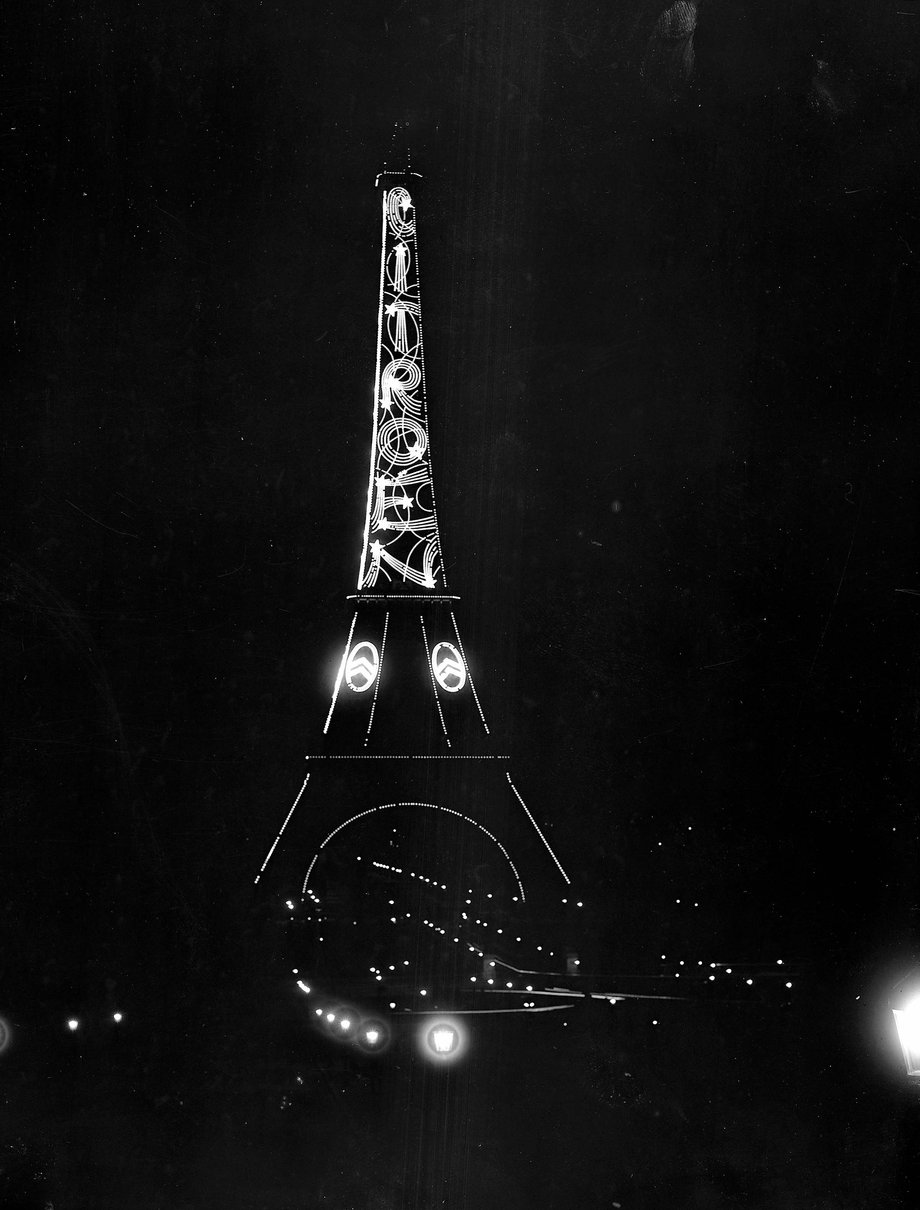
Citroen advertisement on the Eiffel Tower, Paris, 1925
|
Boyer / Roger Viollet Via Getty Images / Getty Images
In 1928, André Citroën appeared in Warsaw at the official invitation of the Polish government. The talks resulted in the launch of the Citroën assembly plant in the capital. In 1934, the André company began to get into financial trouble. Ultimately, a few months before the creator's death, Mark hit the hands of Édouard Michelin, who was involved in the production of tires. In 1940, German troops bombed the factory in Paris. The production was interrupted. It was resumed after the end of World War I.
Citroën currently belongs to the Stellantis group, created as a result of the Fiat-American company Fiat Chrysler Automobiles with the French company Groupe PSA.