Russia is preparing the ground for a new gulag. Introduction to mass repression

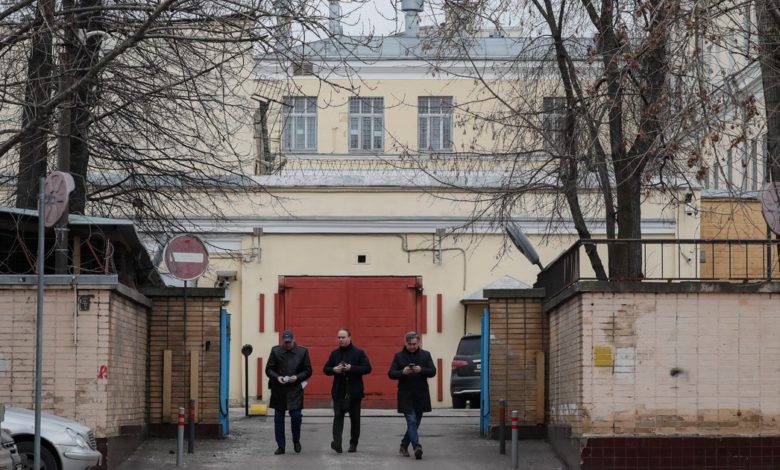
Since the beginning of the year, state pride has been preparing three draft laws that should be adopted in July and enter into force in January 2026. According to the proposed regulations, a new network of prisons and detention centers will be created in Russia – a real Gulag archipelago – and it will exist within the FSB system, and not FSIN (Federal Service of Carriage).
The first bill was submitted in February, and after its adoption, FSB will be able to create its own investigative arrests, and to put it simply – prison.
In the 90s, as a result of Jeltsin's reforms, the FSB – the main heir to the KGB – lost its prison empire, including the crown jewel, Leftowo's detention center. It is an old tsarist prison in the east of Moscow, built in the shape of the letter “K”. In his basements in the 1930s and 40s, the enemies of the people were shot massively. After Stalin's era in Leortów, dissidents and suspects of espionage were imprisoned, as the internal prison in Łubianka was closed in the 1960s.
Yeltsin tried to weaken cruel secret services, depriving them of investigators and his own detention centers. KGB prisons, including lefortowo, were transferred to the supervision of the Ministry of the Interior. However, after the first escape from Leortów, the prison returned to the FSB structures. At the same time, the service quietly took over its directorate.
In 1996, when Russia joined the Council of Europe, the Kremlin promised, among others “Review the Act on the Federal Security Service during the year to adapt it to the principles and standards of the Council of Europe: in particular, deprive FSB of the right to possess and conduct detention centers”. Europeans insisted on separating investigators and prison functions – in order to eliminate pressure on people covered by the investigation.
Prison for the enemies of the Putin state
Over the years, FSB resisted, especially during Putin's rule at the beginning of the 21st century. In 2004, the deputy director of FSB Wiaczesław Uszakov said at a meeting with representatives of the Reculian Parliamentary Assembly that FSB absolutely needs an insulation center to guarantee a “high level of security”. However, in 2005, Vladimir Putin signed A decree transmitting all FSB prisons, including lefortowo, to the Ministry of Justice.
In fact, it was a classic disinformation surgery – FSB did not intend to part with Leortów. As we agreed, the FSB staff in Leortów simply “temporarily” transferred to penitentiary service. Formally, employees were in FSIN, but in fact they were subject to FSB as an APS officers (camera of delegated officers) of this special service. FSB never denied our reports.
Over time, the system has been improved. FSB officers were regularly assigned to service in custody – Often from the Department of Investigative, which for convenience is located in one of the wings of Leortowa. This is how it works to this day: Dmitry Jołkin, appointed head of Lefortowa in 2022, previously served in the infamous first department of the FSB investigation management, who deals with espionage matters.
In other words, previous The system never caused FSB any problems. Lefortally has retained its special status – prisons for the enemies of the state. We, the authors, can be confirmed in person because we have been questioned many times in this building in the 2000s.
Stalinist momentum
So why does FSB need three new laws if everything works as it should? The answer is apparently on the arrest scalewhich FSB expects in the near future. In the justification of the bill, we read: “From the beginning of a special military operation, the number of suspects and accused of treason, cooperation with confidentiality with a foreign state, international or foreign organization and espionage, of which the vast majority are in detention of investigators, increased significantly.”
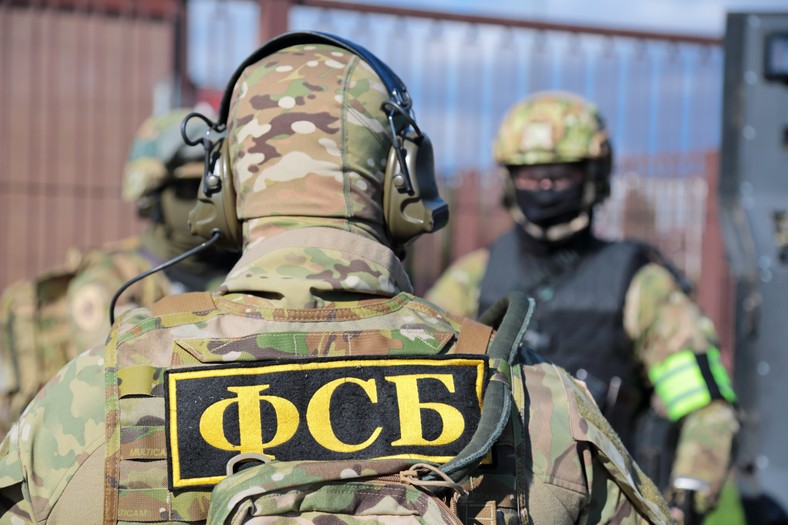
FSB officers. Illustrative photo
To keep and transport these prisoners, FSB intends not only to officially recover lefortally, but also get permission to create new detention centers throughout the country. In addition, he intends to create his own prisoner transport system. One of the projects requires FSIN to develop together with FSB traffic schedules of special wagons attached to passenger, postal and luggage trains.
In addition, FSIN will be obliged to provide FSB ships and aircraft to transport people covered by investigations and convicts. It is even anticipated “allocating places at railway stations for getting on and getting out of special wagons for these people”. These prisoners will be escorted by FSB officers – the services will also receive such powers.
Another act gives FSB the right to conduct investigations and punish those who disturb the order in prisons. Special wagons, ships, aircraft, rights to escort convicts and the right to judge and slow down – all this, under FSB control, indicates preparations for repression on a scale that we have not seen yet.
This logistics is clearly Stalinist. In the 1930s, the scale of repression forced the NKVD to create the management of rail and water transport, as well as the Main Motorway Directorate, which controlled the entire road construction in a vast country. Putin may not hurry to take military actions for fear of the economy. But his favorite special services do not hesitate to plan repression – And they are already preparing for them.