Green lease agreements are more than just a marketing trend. According to the “Green Logistics” report prepared by CBRE and DHL Supply Chain, such solutions benefit both tenants and the landlord.
In practice, they may contain obligations to improve the energy efficiency of the building, use renewable energy sources, reduce water consumption, proper waste recycling, promoting sustainable means of transport or the use of environmentally friendly materials in building modernization.
Measurable indicators with the key to success
Experts emphasize, however, that the effectiveness of green contracts depends on their construction.
– When constructing green lease agreementsso -called KPI – Key Performance Indicators, on the basis of which it will be possible to clearly determine whether the arrangements have been met – says Joanna Mroczek, head of the CBRE strategic advisory department.
– This is very lacking in the currently signed contracts. Instead, there are declarations about the desire to reduce the impact of the building on the environment, which should really be treated as a typical image activity, not like a real green lease agreement. It is also worth considering the conclusion of criminal sanctions related to non -compliance with green clauses – he adds.
Tenants in the center of responsibility for decarbonization
In warehouse buildings, tenants bear special responsibility for energy consumption. Due to the lack of common parts, they respond to even 95 percent. Its total wear. This puts them at the center of decarbonization of warehouse facilities.
Compliance with the provisions contained in green lease contracts allows tenants to optimize operating costs by reducing electricity or heating bills. Financial benefits are particularly visible in the long run.
In addition, companies can limit their carbon trace and show better environmental indicators during reporting in accordance with CSRD – EU directive regarding enterprises' reporting in the field of sustainable development. The action in accordance with ecological standards also strengthens the positive image of the company in the eyes of investors, clients and employees.
The landlords also gain green solutions
For real estate owners, green lease agreements are a tool supporting the processes of achieving the goals of decarbonization and at the same time increase the value of objects. Investments in energy -saving systems and sustainable technologies allow reducing operating costs such as energy or maintenance, which translates into better financial stability and a greater chance of attracting prestigious tenants.
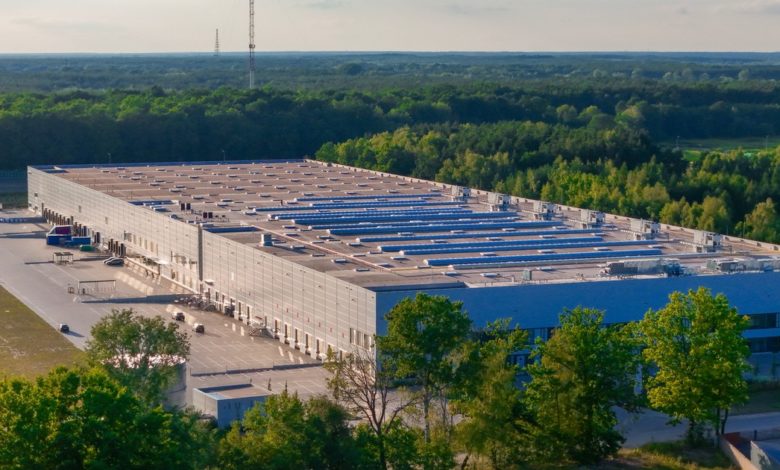
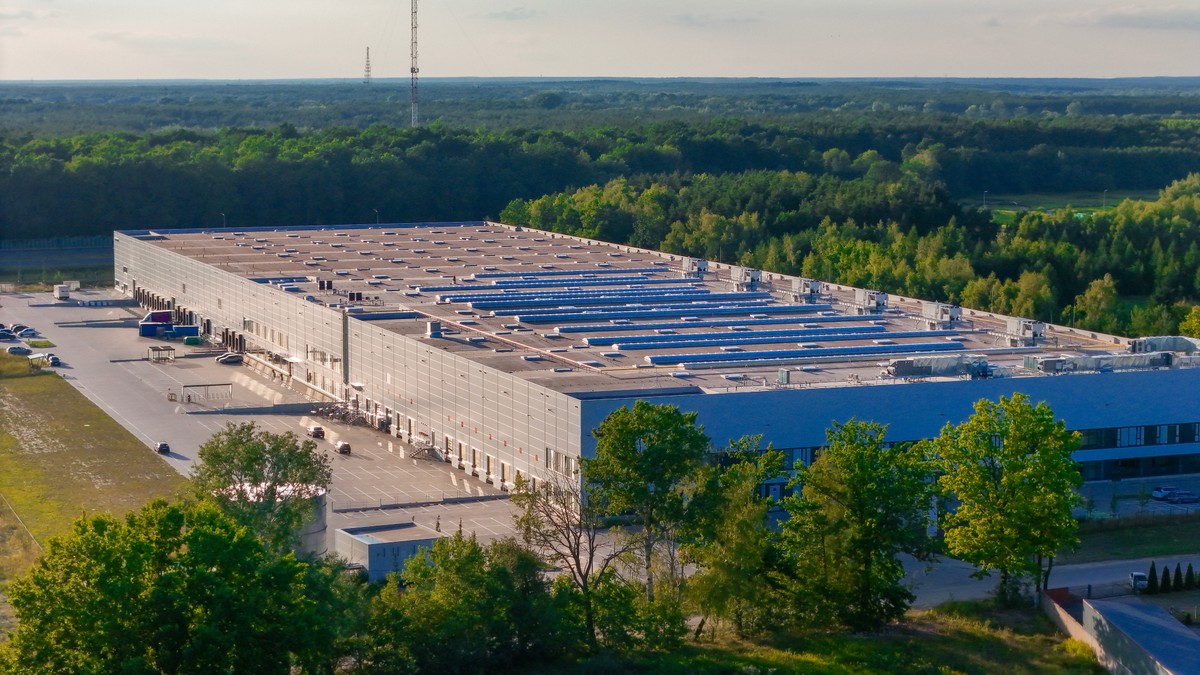
Among the most frequently emerging entries in green lease contracts there is a commitment to install photovoltaic panels on the roof of the warehouse or signing contracts for energy supply from renewable sources. Experts, however, pay attention to the differences between real decarbonization and apparent activities.
– One of the most common entries in green lease agreements is the obligation to install photovoltaic panels on the roof of the warehouse or signing contracts for energy supply from renewable sources, such as wind or sun – says Piotr Szarek EMEA Transport Decarbonization Lead & Environment Sustainability Manager CEE, DHL Supply Chain. – It is worth remembering that buying a guarantee of electricity origin from renewable energy is not able to influence the energy characteristics of the building or the fulfillment of the condition of decarbonization. Only its own renewable energy source or the long -term PPA agreement help in the authentic decarbonization of the building – emphasizes.
The future belongs to sustainable solutions
Companies focusing on sustainable development gain a competitive advantage, responding to the growing needs of consumers and investors who attach more and more importance to ecological practices.
In the coming years, green lease agreements may become a standard on the storage real estate market. As organic technology develops and the exacerbation of environmental standards, tenants and landlords will have to cooperate closely to create environmentally friendly spaces.