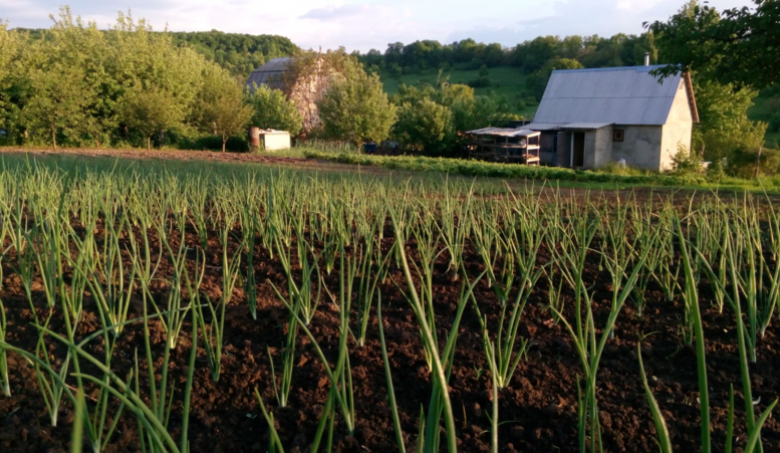
The yellowed feathers of onions and garlic in the middle of summer are an alarming signal for the gardener. This can be a sign of not only natural aging, but also the result of diseases, pests or errors in care.
Onion fly and nematodes: means of struggle
Onion Fly is one of the most frequent culprits. Larvae penetrate the roots and eat the insides of the bulbs, because of which the plant weakens, and the leaves turn yellow and wither.

Pour the beds with salt water (1 glass of salt per bucket of water). This folk method scares off the onion fly.
Nematodes are tiny worms that affect the fabrics of the bulbs, causing their deformation, decay and premature yellowing of the tops.
To prevent nematodes, use crop rotation and disinfection of planting material.
Diseases: fungi and infections
Fuzariosis makes the bottom of the bulb soft, causes rot and leads to the full dying of the pen. Rust is manifested by red spots on the leaves, quickly spreading throughout the bed.
Spray plants with milk serum with iodine (1 l serum and 10 drops of iodine per 10 liters of water). This is a safe and effective way to strengthen plant immunity and protect from fungi.
Lack of nutrients
Pi lack of nitrogen feathers pale, become thin and yellow early. The lack of potassium reduces the development of the root system and the bulbs develop poorly, the plant weakens.
Feed the planting with infusion of grass diluted with chicken or ready fertilizers with nitrogen and potassium.
Acidic soil and stress from cold
On acidic soil, plants cannot absorb fertilizers. Spring frosts or temperature changes leave “burns” on the leaves.
Before planting, be sure to deoxidize the soil with chalk, dolomite flour or ash. During cooling, cover the beds with agrofibre.
Errors of watering
Drought or waterlogging is equally harmful. Excess water causes decay, and dry earth does not give nutrients. Water entering the leaves increases the risk of fungal diseases.
Water only under the root, in the morning or evening, avoiding waterlogging. Mulching will help maintain moisture and prevent sharp fluctuations in the temperature of the soil.
The yellowness is not a sentence, but you should act right away. Healthy planting material, crop rotation, pest protection, proper watering and regular inspections are the key to a strong and generous harvest.