The United Kingdom, challenged in court for his policy on deporting asylum seekers to Bulgaria, where he “faces inhuman treatments and torture”

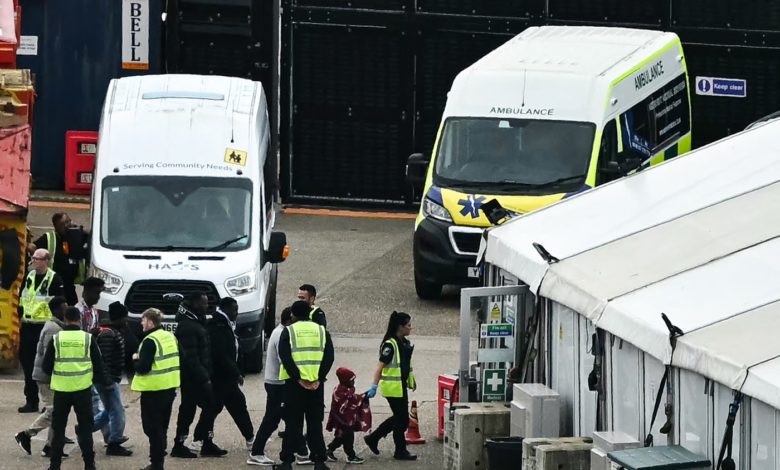
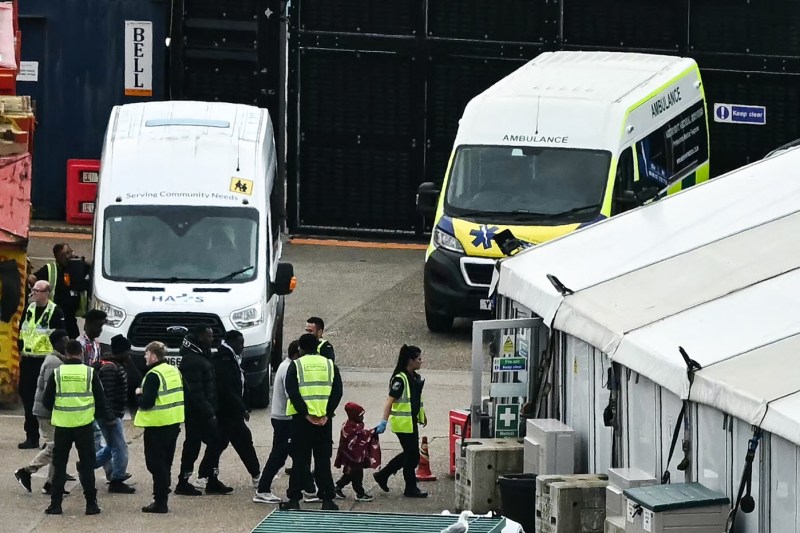
Migrants in southeast of England, on June 12, 2024. Credit Line: Ben Stansall / AFP / Profimedia
The migration plans of the British Labor Government, led by Keir Starmer, are facing an imminent challenge this week, when several lawyers are trying to cancel the UK deportations to Bulgaria due to the accusations of the brutal conditions facing migrants and asylum seekers in this country, according to The Guardian.
From the victory of Laborists to the general elections in July 2024, over 24,000 deportations, both forced and voluntary, were held in the UK. More than 200 people were returned to Bulgaria in 2024.
The British government has agreements for some countries, including Bulgaria, which allow them to return asylum applicants when there is a registration of their entry into the country. However, lawyers are trying to challenge the cases of deported persons in the United Kingdom and the European Union countries back to Bulgaria, warning that deported persons may face torture and inhuman or degrading treatments.
In January, The Guardian reported accusations that Bulgarian authorities ignored emergency calls and obstructed the rescue efforts of three Egyptian teenagers, who later died at temperatures below zero near the border between Bulgaria and Turkey at the end of December. The Bulgarian Ministry of Interior said that its border forces reacted timely to the reports on young people, but that the bodies were found in places differently provided.
In December 2024, The Guardian reported evidence that Bulgaria was trying to force Syrian asylum seekers to leave the country, pressing them to sign “voluntary return” documents, sometimes by using violence. Bulgaria State Agency for Bulgaria denied that someone was forced to return to the country of origin.
Press to sign “voluntary repatriation” documents
This week, No Name Kitchen (NNK), a humanitarian organization working with refugees from the Balkans, said she collected the testimonies of 21 people, including 17 Syrians, who returned to Bulgaria from other European countries, and found that more than two thirds of them were subsequently pressed to sign “Repatrie”.
A Syrian young woman, who was deported from Germany to Bulgaria, said that officials from Bulgaria were pressuring her to sign a “voluntary” repatriation agreement to send her back to Syria. She also said she was threatened by authorities with 18 months of detention if she refused.
Another deputy deputy from the United Kingdom said he was beaten by the Bulgarian police several times.
George Sheldon Grun, a public law assistant from Duncan Lewis Applicors, said the company represents several Syrians who challenge their British courts to Bulgaria.
The fate of those deported to Bulgaria is “worrying”
“The reports of the field organizations indicate that Syrian refugees from Bulgaria frequently face conditions that are equivalent to degrading and inhuman treatments. The British government considers Bulgaria a safe country for return, but the reality for those deported suggests the opposite,” said the lawyer.
The fate of those deported to Bulgaria from other European countries is “worrying”, said Ana Carolina Fisher Dah, a lawyer specialized in human rights and co -author of the NNK report.
“Bulgaria asylum system fails and does not comply with human rights standards for which it is obliged by law as a member state of the EU. European countries can no longer justify deportations to Bulgaria under the pretext that this is a safe destination,” she said.
“The reality is that people sent back to Bulgaria are experiencing serious risks of torture and other inhuman and degrading treatments, not only when returning to their origin countries, but also within the borders of Europe. Deportations to Bulgaria must cease,” she added.
A spokesman for the Ministry of Interior transmitted that “any person illegally in the United Kingdom and who has a refugee status in another country will be deported and returned to that country if it is considered to be done safely.”