
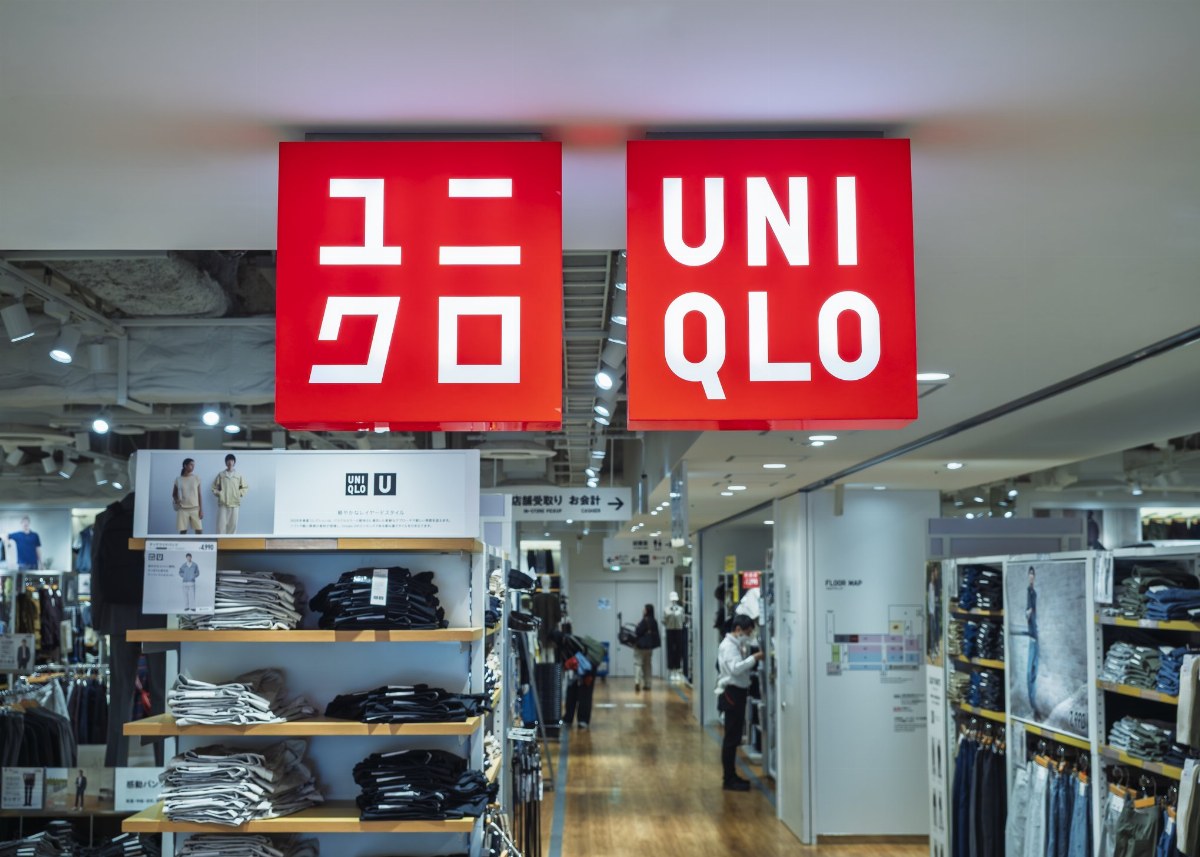
Uniqlo has reversed its decision this week to raise the price of its iconic socks in Japan, responding to strong public backlash in a country grappling with persistent inflation, according to reports.
The subsidiary of Japanese giant Fast Retailing had initially announced plans to increase the price of basic colored socks from 290 yen (approximately €1.65) to 390 yen (€2.22). The company also intended to eliminate promotional pricing for bulk purchases.
With Japanese households facing significant inflationary pressures, the announcement sparked widespread reactions nationwide, leading some publications to suggest that the brand’s reputation as a symbol of affordable fashion might be at risk.
Uniqlo Will Raise Prices on Other Products
Ultimately, Uniqlo announced on Tuesday that it has officially canceled the price increase, maintaining the favorable price of 990 yen (€5.63) for four pairs of socks.
“Considering that socks are an essential everyday item, we reconsidered the planned price revision in Japan and decided to keep our offer for purchasing (four items),” stated a spokesperson for Fast Retailing in a press release.
However, starting in November, the company will proceed with price increases on other selected items, particularly jackets and pants, primarily due to soaring production and transport costs, as well as the weakening yen.
Japanese Companies Apologize for Price Increases
Japanese households are experiencing a sharp rise in prices affecting all aspects of daily life, from eggs and vegetables to transportation, contrasting sharply with the deflation that has plagued the archipelago for several decades.
Consumer prices in Japan rose by 2.1% compared to the same period last year in September, with inflation exacerbated by rapidly increasing oil prices since spring, prompting the central bank to raise interest rates.
Many companies, which once prided themselves on low prices, are now forced to raise them, risking customer destabilization. Popular restaurant chain Saizeria recently apologized to its customers while announcing a price increase this month.
Japanese firms manage to pass some of the cost increases onto consumers, but not enough to cover the full extent.
The government led by Prime Minister Sanae Takaichi is attempting to mitigate the impact on purchasing power, particularly through substantial energy subsidies.
Photo: © Teerawat Winyarat | Dreamstime.com


