
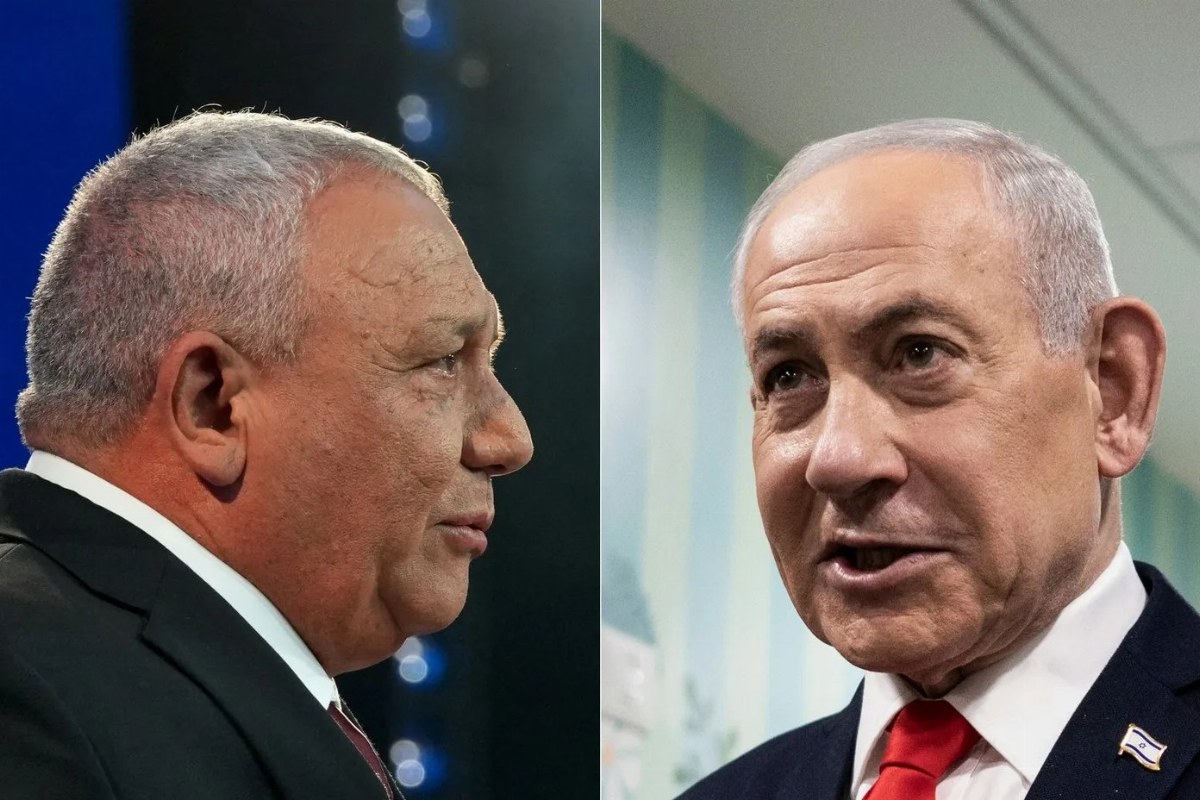
The Likud party, led by Prime Minister Benjamin Netanyahu, continues to hold its status as the predominant political force in Israel following the parliamentary elections, with 88.6% of the votes counted. However, the path to forming a stable government remains unclear. Arab minority parties are now seen as potential kingmakers, holding the balance of power between Netanyahu’s coalition and the opposition, which is spearheaded by Gadi Eisenkot of the Yashar party.
Preliminary results indicate that the right-wing government bloc has secured 53 mandates in the upcoming Knesset, with Likud claiming 26 of those seats. Conversely, the centrist bloc, led by Eisenkot, is projected to have 48 mandates, including 21 from Yashar. Neither coalition has reached the necessary 61 mandates required to establish a new government.
Arab Parties Become Key Players in Political Landscape
The stalemate arises as the Arab parties, specifically the Joint List and Ra’am, achieve historic success, collectively garnering 19 mandates. This marks a significant mobilization of the Arab community in Israel, which constitutes approximately 20% of the nation’s population.
Youssef Jabareen, leader of the Joint List, is advocating for Arab parties to be included in the future government. He has called for the establishment of an “authentic Jewish-Arab partnership” aimed at removing Netanyahu from power.
“Anyone who wishes to propose a genuine and real alternative to Netanyahu’s government, which is stained with blood, must reach out to us and pave the way for change,” Jabareen remarked in an interview with the Israeli press.


