
Russia is likely to exploit the upcoming peace negotiations regarding Ukraine to gain concessions that could weaken NATO’s defense, according to diplomatic sources cited by the British newspaper The Telegraph. This is not the first time Russia has requested such measures, which directly impact Romania’s security.
Kremlin foreign policy advisor Yuri Ushakov recently stated that Europe should be included in the new talks involving Russian, Ukrainian, and American officials, as the continent plays a crucial role in reaching an agreement.
Diplomatic sources informed The Telegraph that Russia desires European involvement to leverage the next round of negotiations for concessions concerning NATO’s expansion, which Vladimir Putin has labeled the “main cause” of the war.
The Kremlin has previously indicated a willingness to compromise on various issues if its essential demands regarding Ukraine’s independence and NATO’s eastward expansion are met.
Putin will likely renew previous demands for NATO’s presence in Europe to revert to the levels of 1997, before former Eastern Bloc countries began joining the alliance.
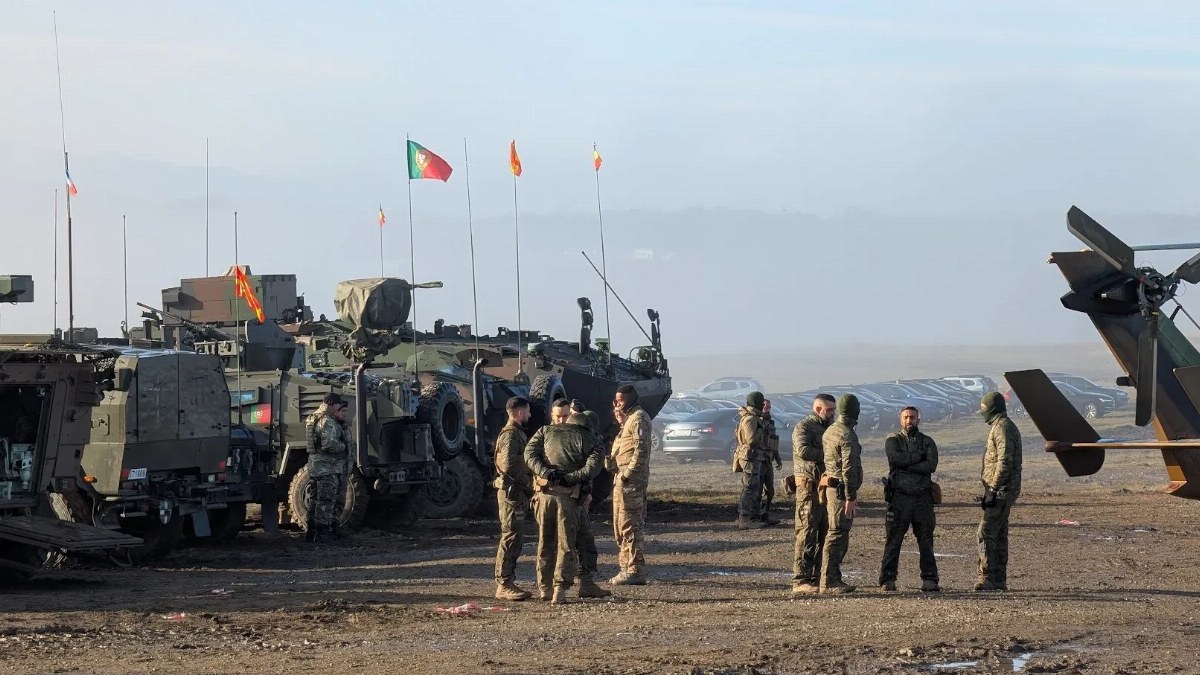
This scenario, as noted by The Telegraph, could result in the potential withdrawal of NATO troops from Poland, Estonia, Latvia, Lithuania, and Finland, which joined the alliance in 2023. All five nations share a border with Russia.
Romania, which became a NATO member in 2004, would also be subject to such demands from Russia.
Explicit Demand from Russia in 2021-2022
The Telegraph’s report did not reference any official proposal from Russia, nor did it indicate that the request for NATO’s withdrawal had been officially added to the agenda.
This remains a scenario attributed to diplomatic sources rather than an agreed negotiation position, as highlighted by the Ukrainian newspaper Kyiv Post.
However, NATO’s eastward expansion has long been a concern for Russia.
At the beginning of 2025, then-Head of the Presidential Chancellery Cristian Diaconescu stated that during a meeting with American officials in Riyadh, Russia sought to ascertain whether it could make the U.S. an ally for projects reminiscent of Yalta, which would involve retracting NATO’s security guarantees along the 1997 alignment.
Diaconescu later clarified that these demands were not on the negotiation table, noting that he was actually referring to Russia’s requirements from 2022.
Moscow had previously sought changes to NATO’s position in Europe. In December 2021, Russia presented the U.S. and NATO with draft security agreements that included demands to cease further NATO expansion and limit military activities in countries that joined the alliance after May 1997.
NATO rejected the request to close its doors to new members but stated it remains open to discussions regarding arms control and other security matters.
Implications of Renewed Negotiations
The Telegraph article emerges as Ukraine, Russia, and the U.S. engage in discussions about resuming technical negotiations.
Kremlin advisor Ushakov indicated that Russia is prepared to resume trilateral discussions after the National Unity Day holiday on November 4, describing the next meeting as preliminary and exploratory.
Kiev has expressed readiness to participate in talks but insists on concrete measures, including a ceasefire and humanitarian actions. President Volodymyr Zelensky also stated that Ukraine supports proposals for an energy ceasefire and an end to the war.
As the EU aims to play a role in the next round of discussions, EU officials have proposed a broader format that includes European representatives, while the Kremlin clarified that the current discussions are being prepared as trilateral.
The exact format and participants have yet to be confirmed.
Previously, Kyiv Post reported that Russian officials and analysts have leveraged the prospect of resuming negotiations to formulate broader demands regarding European security, sanctions, and territory.
Putin himself stated last week that negotiations should focus on “ensuring the security of Ukraine and Russia” following a final peace agreement. He added that discussions should also encompass “the overall architecture of European security,” according to Reuters.


