
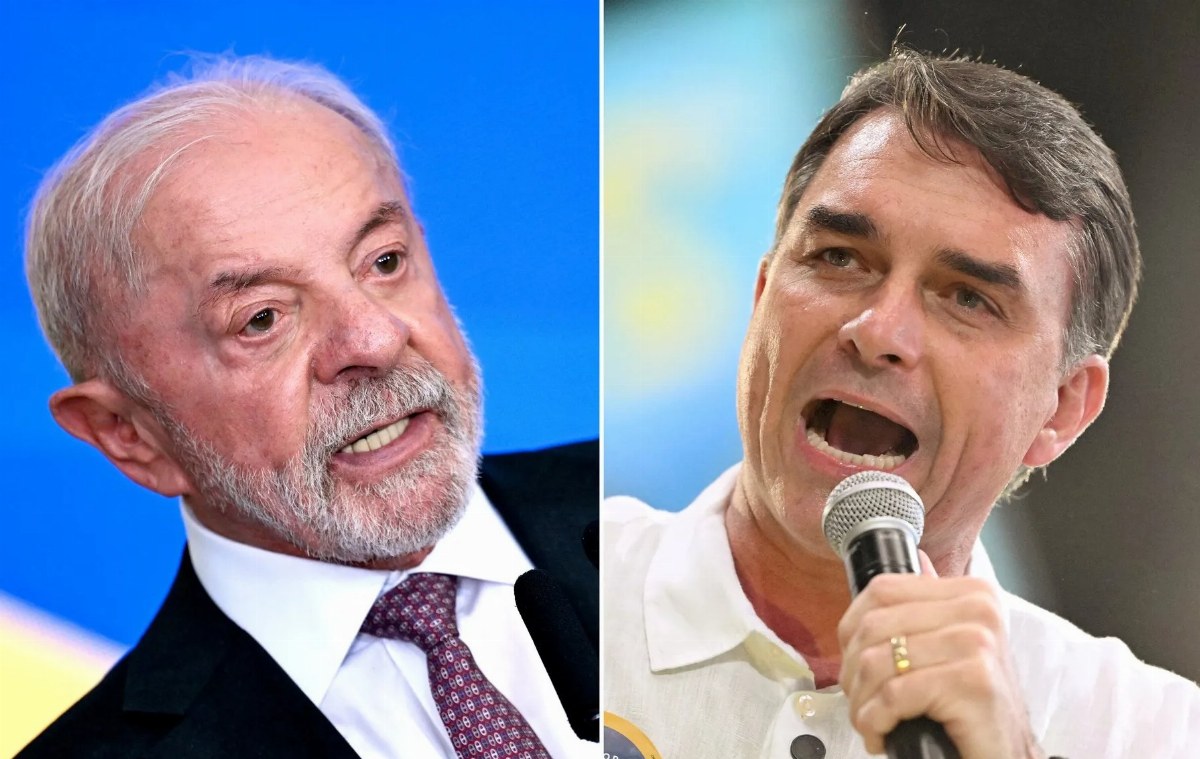
On Sunday, Brazil will hold a crucial second round of presidential elections, featuring a tight contest that could steer the largest nation in Latin America sharply to the right and closer to the United States. This comes amid a broader trend of conservatism sweeping across the region.
The runoff pits leftist incumbent president Luiz Inácio Lula da Silva against right-wing senator Flavio Bolsonaro, the son of convicted former president Jair Bolsonaro, as reported by Reuters.
Flavio Bolsonaro surprised many earlier this month by topping the first round of voting, defying predictions from various polls.
A Potential Trump Ally’s Victory
A win for the 45-year-old Bolsonaro would extend the streak of right-wing candidates achieving success in Latin America, many of whom are aligned with former U.S. President Donald Trump. Conversely, Lula securing a fourth term would represent a setback for Washington, which has faced tensions with his administration over trade and security issues.
The electoral campaign has been overshadowed by corruption scandals, economic anxiety, and allegations of U.S. interference, which Washington denies. Additionally, the election has been influenced by the repercussions of Jair Bolsonaro’s 2025 conviction for conspiracy to stage a coup in 2022, with Flavio vowing to release his father if he wins.
Trump has described the case as a “witch hunt” and imposed a 50% tariff on Brazil in 2025, explicitly linked to Jair Bolsonaro’s trial. Although many of these measures were later eased, Trump implemented new tariffs against Brazil this year, citing unfair trade practices.
Lula has portrayed the Trump administration’s ties to the Bolsonaro family as a bid to sway the elections, decrying tariffs and punitive actions as intimidation tactics.
Campaign Issues for Both Candidates
On economic matters, Lula has struggled to gain favor with voters grappling with high living costs and substantial household debt, despite his administration’s efforts to reduce inequality and unemployment.
Concerns about gang violence also weigh heavily on voters’ minds.
Bolsonaro has capitalized on these worries regarding living expenses, promising a tough stance against crime, including plans to establish maximum-security prisons and implement chemical castration for serious sexual offenses.
Historical Trends Favor Bolsonaro
Polling indicates that the candidates are nearly tied heading into the second round, with Lula closing the gap in recent days. However, historical electoral trends are in Bolsonaro’s favor, as no candidate has ever won the presidency after finishing second in the first round.
In the first round, Bolsonaro garnered 47% of the votes, while Lula received 45%.
The senator’s first-round victory spurred a remarkable boost in the Brazilian markets and currency, driven by expectations of business-friendly reforms.
His success in the first round also translated into favorable results in parliamentary elections for the Liberal Party and other right-leaning politicians, which could either ease legislative paths or complicate governance for Lula.


