
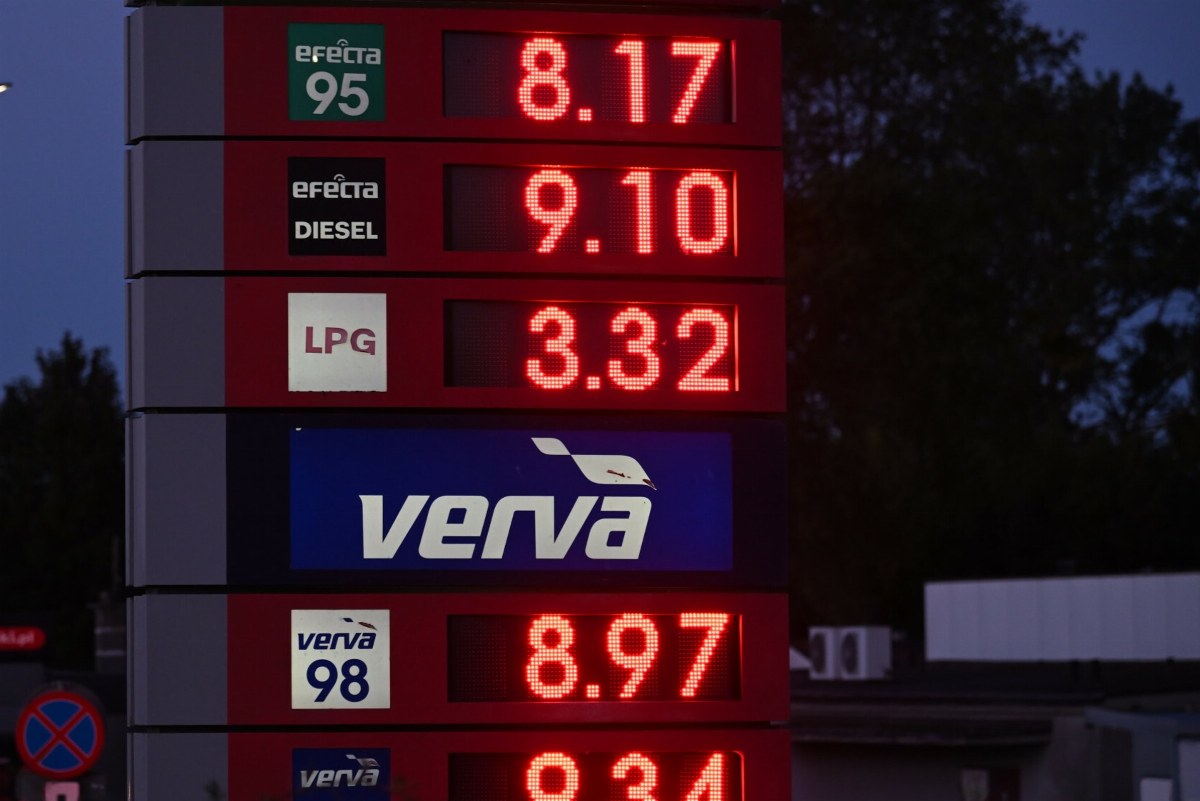
Former President Donald Trump is discussing with his advisors the possibility of imposing a ban on diesel exports from the United States. According to the Financial Times, the administration is considering restricting fuel sales abroad as a strategy to decrease domestic prices. While no decision has yet been made, the issue is facing intense lobbying from both Republicans and oil companies.
Reports indicate that Trump’s advisors have presented him with several options, including the limitation of international diesel sales. U.S. officials have also warned allies, including the United Kingdom, that supply issues might arise. A spokesperson for the White House stated that Trump is evaluating all available options to reduce fuel prices in the U.S., but no decisions regarding exports have been finalized.
Rising Diesel Prices
The Financial Times highlights that the proposed ban is a subject of political contention. Republican representatives from agricultural states, led by Iowa Senator Chuck Grassley, are urging the administration to take action, fearing that high fuel prices could negatively impact the party in the upcoming midterm elections. Diesel is particularly crucial for agriculture and industry. “The political consequence could be the loss of the Republican majority,” Congressman Tim Burchett from Tennessee told the FT.
Diesel prices have surged significantly due to the ongoing conflict with Iran. Last week, diesel fuel averaged $6.53 per gallon in the U.S., which is over 70% higher than prior to the conflict. This crisis poses a particular challenge for Trump, who promised Americans lower fuel prices and the development of U.S. energy dominance during his campaign.
However, the export ban proposal faces opposition from oil companies. Industry representatives argue that restricting exports could have the opposite effect, raising prices in parts of the U.S. that rely on fuel imported from the international market. In recent days, industry officials have engaged in intensive discussions with the White House. ExxonMobil CEO Darren Woods met with Energy Secretary Chris Wright on Tuesday.
The administration is also exploring other solutions: further exemptions from the Jones Act to facilitate fuel transport between U.S. ports, tax incentives, and relaxed regulations on cheaper dyed diesel used by vehicles such as tractors. The U.S. is also pressing European allies to release diesel supplies from reserves and is in talks with China about potential increases in diesel production at its refineries.


