
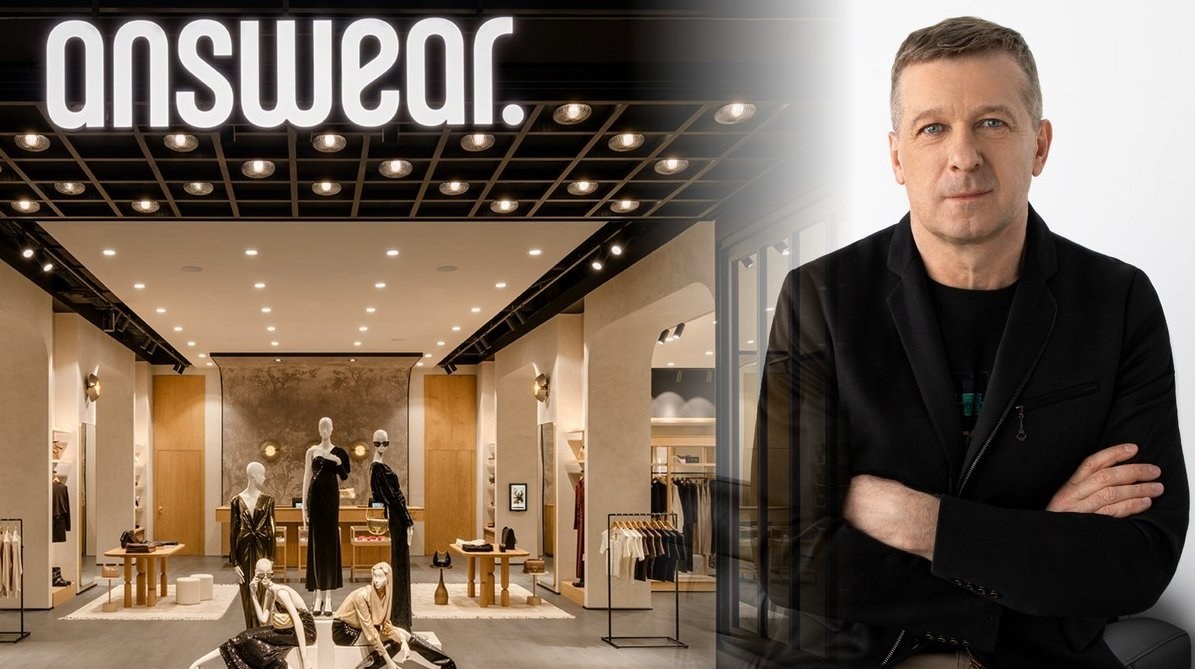
Izabella Wit-Kossowska discusses the 15-year journey of Answear in the e-commerce sector, noting the significant evolution in both technology and customer expectations. Krzysztof Bajołek, CEO of Answear.com, emphasizes that the market has matured and professionalized, leaving no room for poorly organized businesses. To create a lasting and competitive online fashion entity, robust technological infrastructure, streamlined processes, and well-organized human resources are essential. This transformation requires time and substantial investment.
For years, the e-commerce sector benefitted from a substantial influx of capital, but attention has shifted towards other areas like artificial intelligence and defensive segments, reducing the allure of online retail. Disappointing low returns also contributed to this shift, as profitability often took a backseat during aggressive market share competition. As the industry evolves, stakeholders expect previous investments to yield results, although achieving this will not be quick or straightforward due to fierce online competition and the financial backing needed for advanced tools, especially AI.
In Central and Eastern Europe, success in the online fashion market hinges on effectively combining scale with local market understanding. Achieving significant reach is critical for transforming a business into a well-functioning machine capable of building modern infrastructure and strong teams. However, understanding local markets remains equally important; the digital environment allows consumers to shift preferences rapidly, leaving little margin for market fit errors.
Bajołek notes that Answear, employing over a thousand people, has effectively maintained flexibility and responsiveness critical for the e-commerce landscape. This large scale, rather than being a burden, can facilitate quicker market responses through expert delegation of tasks.
The discussion extends to the balance between standardization and localization in expansion strategies. Specific market characteristics, such as regional weather impacting sales dynamics in Southern Europe, must be considered when planning inventory. Differences in consumer preferences between Western Europe and the region still exist, as shopping behaviors and motivations vary significantly.
As e-commerce expands internationally, many businesses underestimate the challenges of scaling beyond domestic borders. Strong local competition often exists, and establishing a foothold requires readiness for competition without relying on local consumer patriotism, which may favor rivals. Success demands advanced technology, distinct offerings, capital, and teams prepared for long-term competition.
Historically, the fashion e-commerce sector relied on extensive product variety and promotions to build its competitive edge, a model that may now be reaching its limits. Increasingly, a sharp focus on brand selection and clear positioning is vital as market segmentation becomes more pronounced. Today, many consumers prioritize experiences and community connections over price, shifting the basis of purchase decisions.
Moreover, the concept of ‘premium’ in e-commerce transcends mere pricing or branding; it encompasses the overall shopping experience, from advertising to product quality and delivery efficiency. This holistic approach is necessary for cultivating brand loyalty—a significant challenge in an environment where single purchases remain common.
In 2023, Answear expanded by acquiring PRM and Sneaker Studio, creating a unique platform for high-end fashion consumers. The consolidation of infrastructure and finance enhances operational efficiency, while product offerings and marketing require distinct identities to appeal to different customer segments.
The integration of data analytics with intuitive fashion choices remains crucial. Effective management in this sector hinges on interpreting past data to predict future trends, with potential AI advancements promising further evolution of the e-commerce landscape.
Physical retail is evolving into a complementary channel rather than a competitor, enhancing customer experiences by bridging the digital and analog worlds. In e-commerce, customer experience often hinges on logistical efficiency and return processes, elements that, while sometimes overlooked, are critical for loyalty.
Ultimately, Answear differentiates itself with a curated selection of premium brands, quick shipping, and a robust loyalty program. Looking ahead, the influence of AI and new technologies could disrupt traditional retail, though the subjective nature of fashion choices presents challenges in standardizing consumer experiences.


