Amid fears of a potential new military mobilization, many Russians are fleeing the country. A newly implemented electronic citation system poses a threat, potentially blocking citizens from leaving.
Since July, requests for immigration assistance have surged eightfold, while online searches for terms like “how to leave” and “mobilization” have reached their highest levels since early 2023, according to Euronews.
This spike in emigration coincides with parliamentary elections in Russia that began on Friday and end on Sunday. Critics of the Kremlin and Western governments accuse Moscow of possibly announcing a new mobilization after the voting concludes, attempting to avoid interference with the electoral process.
Documented cases show that the new electronic citation registry has already triggered automatic exit bans for some individuals. Consequently, many citizens are leaving preemptively to avoid facing restrictions on their departure, according to the anti-war group Ark.
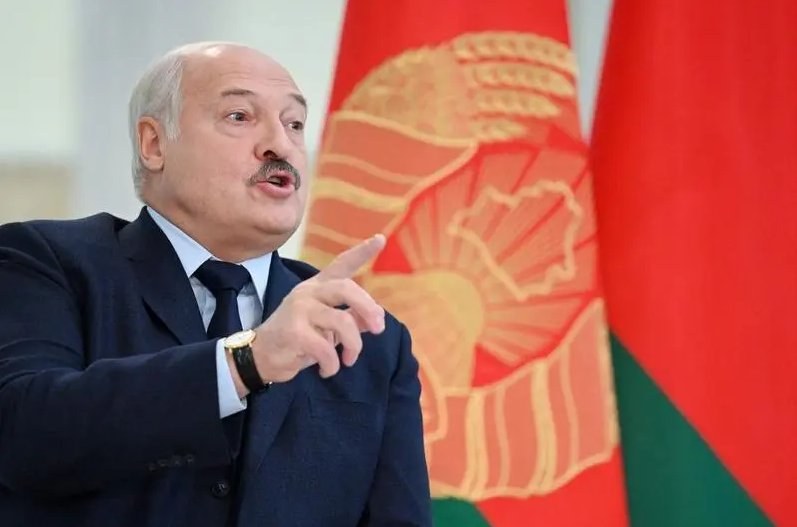
Russian President Vladimir Putin has dismissed rumors of mobilization as “complete nonsense,” yet independent media in Russia have reported 17 official denials of any imminent mobilization since summer.
Panic in Russia Grows
Jan Slovitsky, a human rights activist and coordinator of Project Ark, stated that the current wave of departures reflects lessons learned from 2022.
“Since mid-July, a wave of panic has been escalating in Russia due to fears of mobilization, fuel shortages, and internet access issues,” he told Ark’s network from Yerevan, where he assists new arrivals. “People are leaving in advance because they have witnessed the consequences of previous waves. Armenia is facing a migration crisis, if we are not already in one,” Slovitsky added.
Surge in Searches for Departure Information
Daily requests for relocation assistance have risen from about 70 to 120 since July, according to organizations aiding Russians in relocating abroad. Searches on Yandex and Google for “how to leave” and “mobilization” peaked during summer and in the first ten days of September, according to an independent analysis of Russian media.
Preparations for a possible mobilization are already evident. Reports indicate that tens of thousands have received notifications outlining steps to follow in case of conscription.
At the beginning of September, a 24-year-old man at a checkpoint in Krasnodar received an official ban on leaving the country, marking the first reported case there.
Daniil Neonov, a former candidate for municipal councilor in Moscow, recounted how he managed to leave at the last minute. “Had I waited another day or two, I likely wouldn’t have been allowed to leave due to an exit ban,” he said. “I received an electronic citation but still managed to depart.”
Fear of mobilization has also spread among elite members and recruitment office personnel. International media reports indicate that some officials have begun transferring assets and opening bank accounts abroad.
In August, Ukrainian President Volodymyr Zelensky warned of the risk of mobilization in Russia, citing intelligence data. Kyiv described a Kremlin plan to rapidly mobilize several hundred thousand Russians by year-end, followed by at least as many in the following year. Moscow has not commented on these claims.
Exodus to Visa-Free Countries
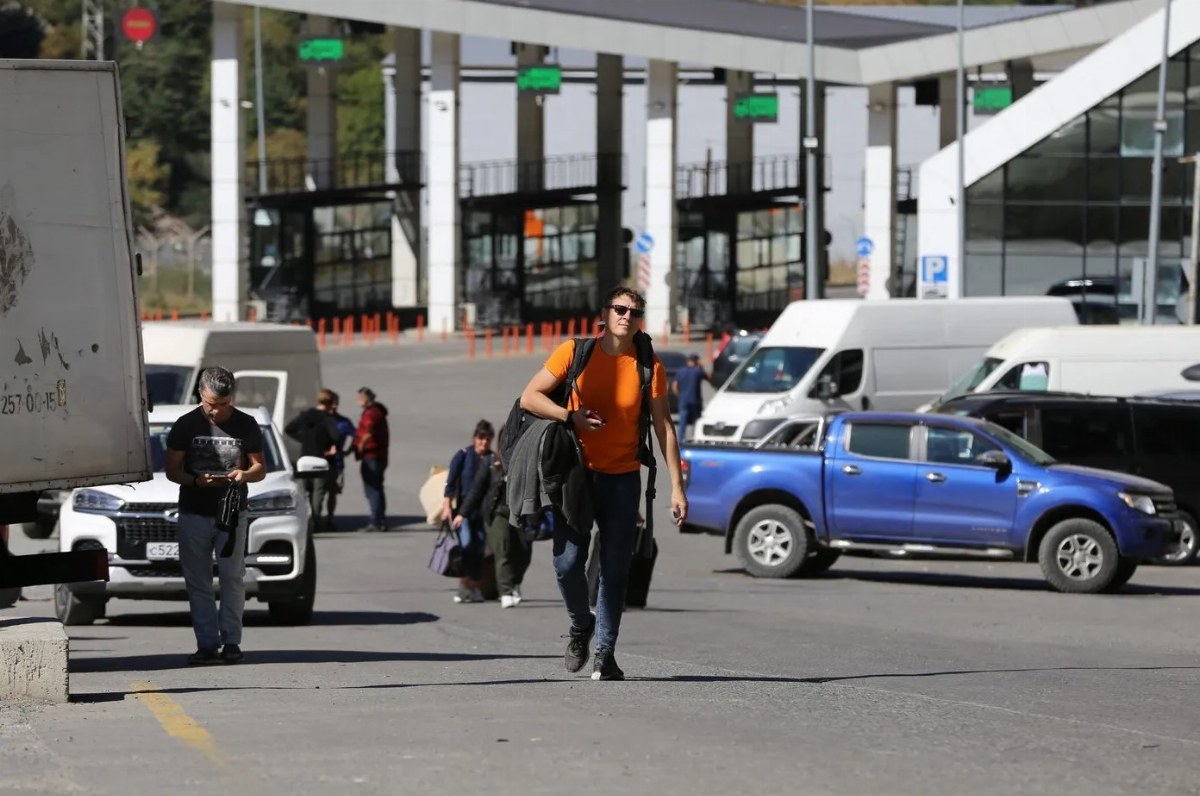
Those exiting Russia are primarily heading to visa-free destinations such as Armenia, Georgia, and Kazakhstan. Recently, authorities in Yerevan expressed their readiness to assist Russians arriving in Armenia.
The exact scale of the current exodus is unclear, but it is likely less intense than the mass departure in 2022, when between 600,000 and 700,000 people left Russia following the announcement of partial mobilization.
This previous measure was never officially revoked, and those conscripted were not demobilized.
The elections for the State Duma feature only parties that support the war in Ukraine. The opposition party Yabloko, which called for an immediate ceasefire and peace negotiations, was banned by the Supreme Court in August.