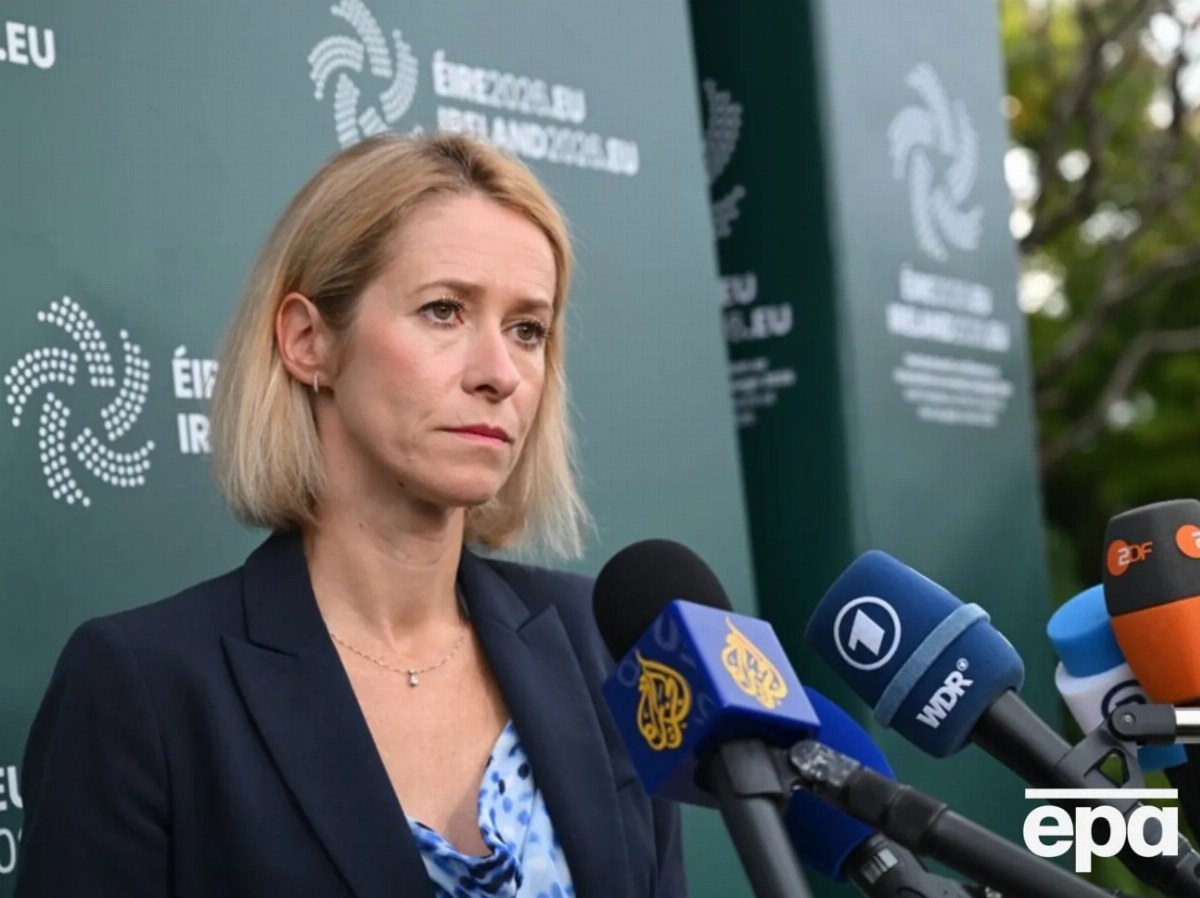
Estonia’s Prime Minister Kaja Kallas has advocated for the European Union to utilize frozen Russian assets to financially support Ukraine this winter. Journalists raised concerns about Ukraine’s significant financial needs, prompting Kallas to highlight that the ideal source for such funds would be Russia’s frozen assets, as it is the aggressor causing the damage.
Kallas noted that discussions among EU member states regarding the frozen assets have been reignited, assuring that the bloc will continue these discussions. Reports indicate that following an August statement from Politico, EU diplomats are revisiting the potential use of these assets. Just two days prior, the Financial Times reported that Sweden, the Netherlands, Spain, and Poland urged the European Commission to restart plans for utilizing these funds to assist Ukraine. A majority of these assets are held in the Euroclear securities depository in Brussels, while Belgium has been hesitant to support a €210 billion loan to Ukraine due to concerns over legal repercussions.
As discussions about Russian assets gain momentum, Belgian Defense Minister Theo Francken reiterated his country’s opposition, stating, “This is not up for discussion; the door is closed.”
Contextually, during 2024-2025, Ukraine’s allies explored the possibility of leveraging frozen Russian assets for the country’s post-war recovery. However, disagreements, particularly due to Belgium’s stance, led the G7 nations to agree on using the interest accrued from these frozen funds—estimated at around $50 billion annually—as loans for Ukraine. Furthermore, the European Council affirmed that the EU reserves the right to use Russian assets to settle loans if Russia fails to compensate Ukraine for war damages.