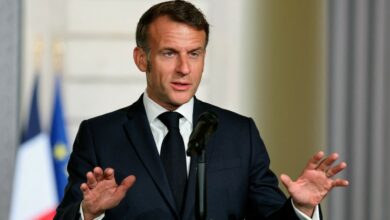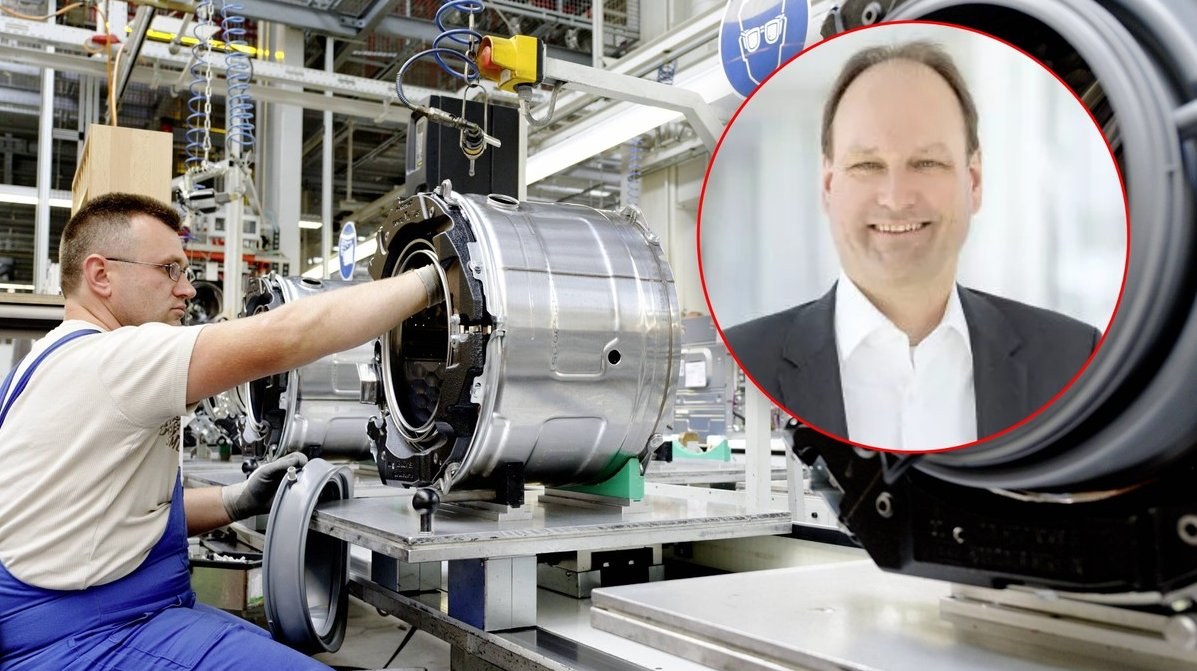
Markus Miele, CEO of the prominent home appliance manufacturer Miele, recently addressed the controversial decision to move part of the production from Germany to Poland. In an interview, Miele stated that the entire management team stood before the employees to explain the decision. “Given the same circumstances, we would make the same choice again,” he asserted, highlighting the economic challenges facing Germany.
Miele shared insights on the state of the German economy and offered expectations regarding policymakers. He also emphasized the ongoing need for innovation in appliances, stating that the focus lies not on basic functions but on overarching themes such as sustainability, energy, and water conservation.
The CEO illustrated this with a personal anecdote, showcasing a family recipe that he digitizes using his company’s new AI kitchen assistant, CulinaryCoach. This assistant guides users through cooking processes while automating settings in connected ovens.
Currently, Miele’s household is testing prototypes of a new vacuum cleaner and washing machine, although these innovations are not set for the upcoming Internationale Funkausstellung (IFA) trade show. Miele highlighted the importance of practicality and quality control in product development.
Reflecting on the operational shift to Poland, Miele confirmed that the process would continue until the end of 2027, despite previous backlash which might harm the company’s image. He emphasized that the decision was not made lightly and was influenced by the operational conditions present in each location.
As for job security within Miele, Miele mentioned that there are no plans for a new cost-cutting program like the one expected in 2024. He noted continuous assessments of business operations in response to global changes, aiming to maintain competitiveness as a family-owned enterprise. The company has committed to investing €500 million in its German locations by the end of 2028.
Miele also addressed the pressing need for Germany to improve its operational pace, especially in reducing bureaucracy and enhancing tax structures. He expressed concern over the stagnation in productivity and rising social contributions, stating, “In the long run, this cannot work.” He believes that while the country is not facing revenue issues, it struggles with expenditures.
On the topic of the upcoming state elections and rising support for the Alternative for Germany (AfD), Miele chose to wait for the election outcomes before discussing potential implications. He remains optimistic about the future, believing in the resilience of German democracy.
In terms of business performance, Miele reported positive growth, particularly in overseas markets, with the U.S. serving as a significant opportunity for expansion. The company recently opened a new oven manufacturing facility there before tariffs were implemented, positioning itself favorably despite increased costs.
Furthermore, Miele is diversifying its offerings, particularly in the professional segment, which caters to commercial clients such as hotels and hospitals. This segment currently generates about €1 billion, or 20% of the company’s revenue, showcasing significant growth potential.
As Miele explores new ventures, it has invested in outdoor kitchen products and cleaning solutions for sneakers, indicating a commitment to innovation beyond traditional appliances. However, Miele acknowledged the challenges of entering saturated markets, particularly the kitchen robot segment, where the company lacks key competencies.
Despite the durability of Miele appliances, which can last up to 30 years, Miele recognizes the need for continual innovation to entice new customers while ensuring existing customers remain satisfied.