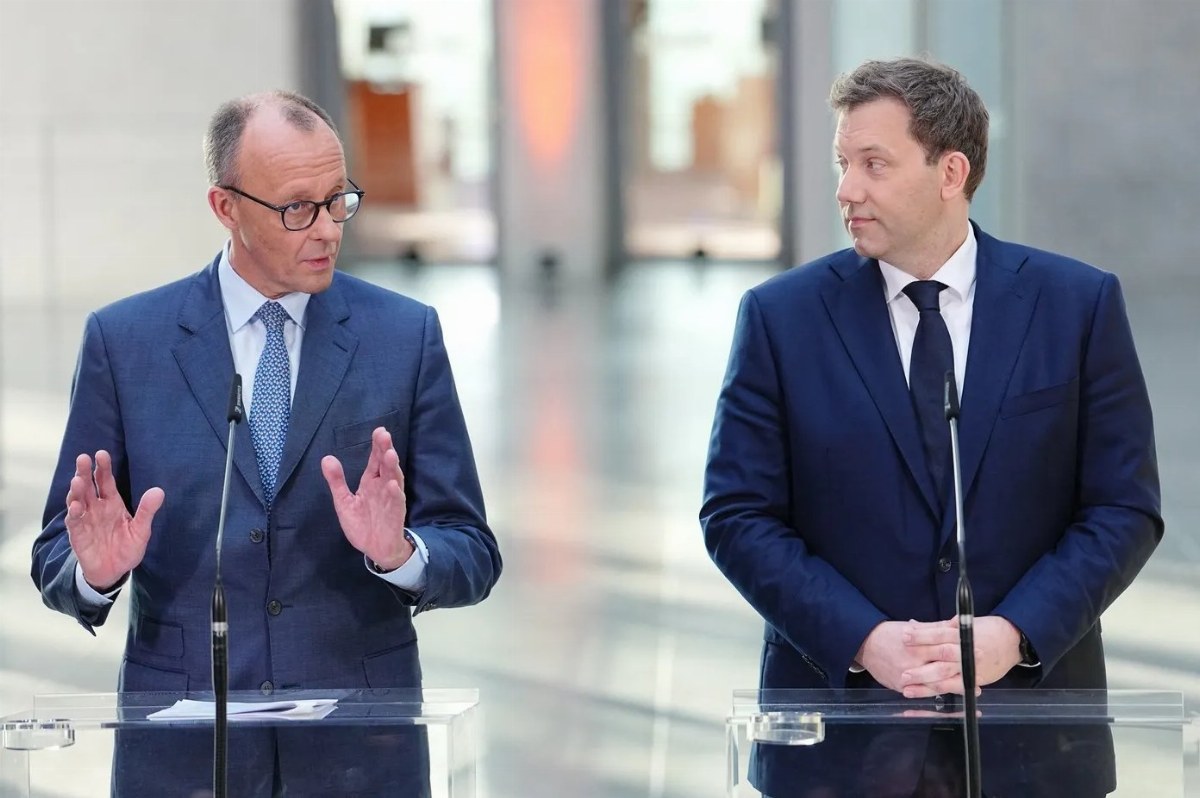
The German government has approved a significant tax reform package worth €10 billion, aimed at reducing the tax burden on low- and medium-income households, particularly families with children. According to reports, wealthier Germans will face increased income taxes as part of this initiative.
German Finance Minister Lars Klingbeil stated, “Through our reform, families with children will have over €600 more in their pockets each year starting in 2028 compared to their current situation. No one should underestimate this change.” He emphasized the goal of ensuring that people have a bit more left at the end of the month.
The proposed legislation will now be debated in the German parliament, with the government coalition planning for the reforms to take effect on January 1, 2027. However, the implementation will be phased, with full measures set to roll out over the following two years, as explained by the minister.
Child allowances will increase to €267 per child per month in 2027, up from the current €259, eventually reaching €272 in 2028. Additionally, the tax-free income threshold will rise to €12,564 in 2027 and €12,900 the following year.
Klingbeil remarked, “We also decided to make the tax system more equitable. Those with the highest incomes need to contribute a bit more.”
Tax Rates for High Earners
The government plans to offset some of the costs by raising taxes on high-income earners. The current maximum tax rate of 45% will apply to taxable income starting at €250,000, while a new rate of 47% will apply to annual incomes exceeding €280,000.
This highest income tax rate is often referred to in Germany as the “wealth tax.”
Chancellor Friedrich Merz has previously ruled out increasing taxes on high earners, arguing that such measures discourage entrepreneurship and free initiative.
Klingbeil has presented several income tax reform proposals since March, but negotiations have been challenging due to ideological differences between the two governing parties: the conservatives led by Chancellor Merz and the Social Democrats, from which the finance minister hails.
“We live in a country where many work hard, take on responsibilities, and contribute to society—yet they feel daily how difficult everything has become,” Klingbeil remarked in an interview with the financial magazine “Wirtschaftswoche.”
Germany has been governed since May of last year by a coalition of conservatives and Social Democrats, reminiscent of the era of Angela Merkel. The CDU party is the major partner, while the SPD is in a minority following a significant defeat in the February 2025 parliamentary elections.