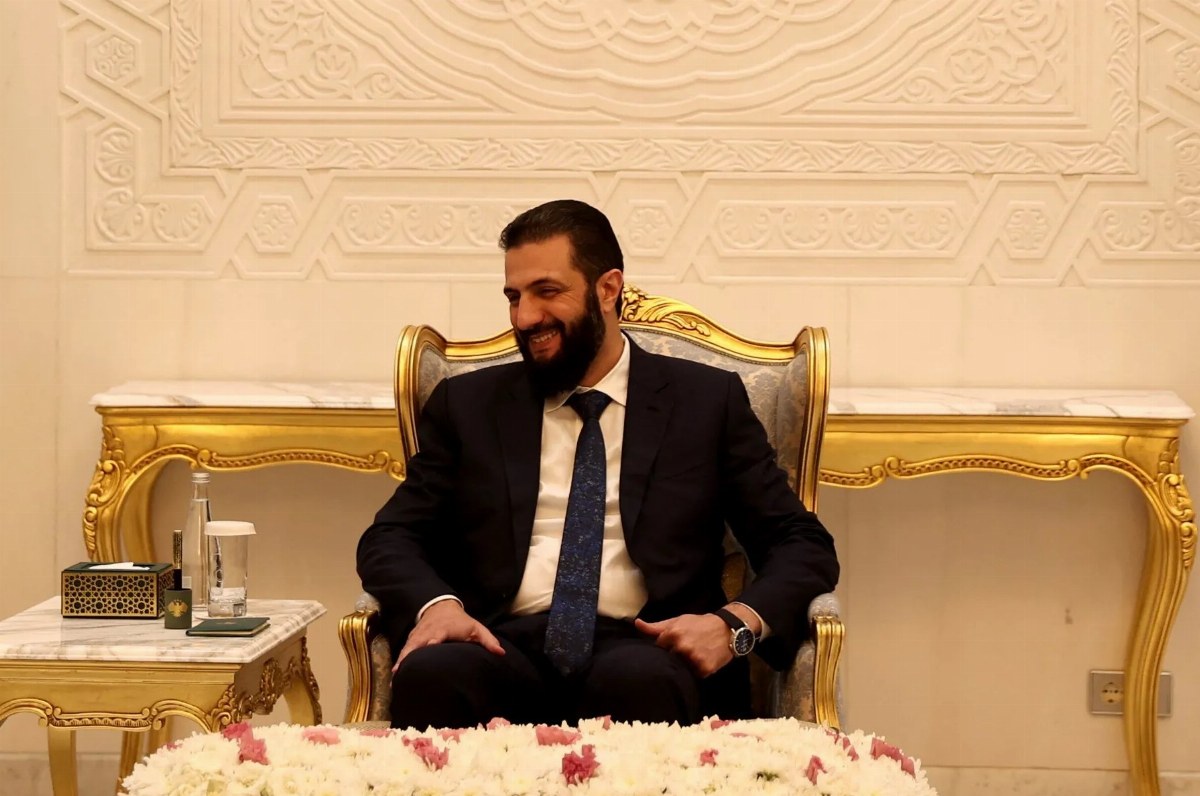
A seemingly mundane act has taken on new significance in Syria, marking the country’s official removal from the U.S. list of state sponsors of terrorism. President Ahmed al-Sharaa paid for his coffee in Damascus with a Visa card, a transaction previously impossible for over 15 years.
This moment was publicized through a video shared by an official government account, highlighting the United States’ recent decision to lift Syria from the blacklist. The purchase, made at a cafe in the historic center of Damascus, represents Syria’s aspirations for economic reintegration, according to reports from EuroNews.
Accompanying al-Sharaa was the governor of the central bank, Mohammed Safwat Raslan, who referred to the removal from the list as a “historic step” that restores Syria to its rightful place in the global economic system.
What Sanctions Have the US Lifted?
On Monday, the United States announced that Syria had been removed from the list of countries accused of supporting terrorism, a designation it had held for 47 years. This move signals a new phase in the gradual easing of American sanctions against the country.
Less than two years after the fall of Bashar al-Assad, the Trump administration expressed its intention to remove Syria from the list in early July 2024. This decision coincided with the removal of the Hayat Tahrir al-Sham group, previously led by the current Syrian leader and responsible for the regime’s downfall, from a global list of terrorist organizations.
After taking power in December 2024, al-Sharaa announced the dissolution of all armed groups that had overthrown Assad. Many Western nations, including Canada and the United Kingdom, have gradually lifted sanctions imposed on Syria since last year, with the European Union beginning its removal as of May 2025.
Many Sanctions Already Lifted
Most U.S. sanctions had already been lifted prior to this announcement. However, the designation as a state sponsor of terrorism imposed restrictions on financial transactions, continuing to dissuade banks and investors.
Following this change, the U.S. Treasury has confirmed that American financial institutions may service Syrian clients, process payments involving Syrian banks, and establish correspondent banking relationships.
This measure “will help attract further investment into Syria to promote political and economic stability,” stated Scott Bessent, head of the U.S. Treasury.
According to Tellimer, a Dubai-based emerging markets research firm, removal from the list effectively signals a “green light” for reconstruction investments, particularly benefiting the banking, technology, and telecommunications sectors as access to SWIFT is restored.
Nevertheless, measures targeting groups affiliated with Bashar al-Assad, those violating human rights, and traffickers of captagon—known as the “poor man’s cocaine” and “jihad drug”—will remain in effect. Brussels has aligned with the United States regarding the lifting of sanctions against Syria.