Europol has revealed that art thieves across Europe are increasingly resorting to violent methods, focusing on gold and jewelry. In a recent report, the agency noted a shift from traditional criminal gangs to opportunistic individuals recruited through social media platforms.
An illustrative case was the robbery at the Louvre Museum in Paris last October, where thieves threatened both security personnel and visitors while stealing jewelry valued at €88 million, including the tiara of Empress Eugénie.
According to Europol, in the past two years, art thieves have changed their targets to precious metals, jewelry, and cultural artifacts that promise higher profits. The price of gold has surged by 85% over this period, prompting investors and central banks to consider it a safe asset. The London Bullion Market Association has warned that as gold prices reach historic levels, illicit flows and market distortions are likely to rise.
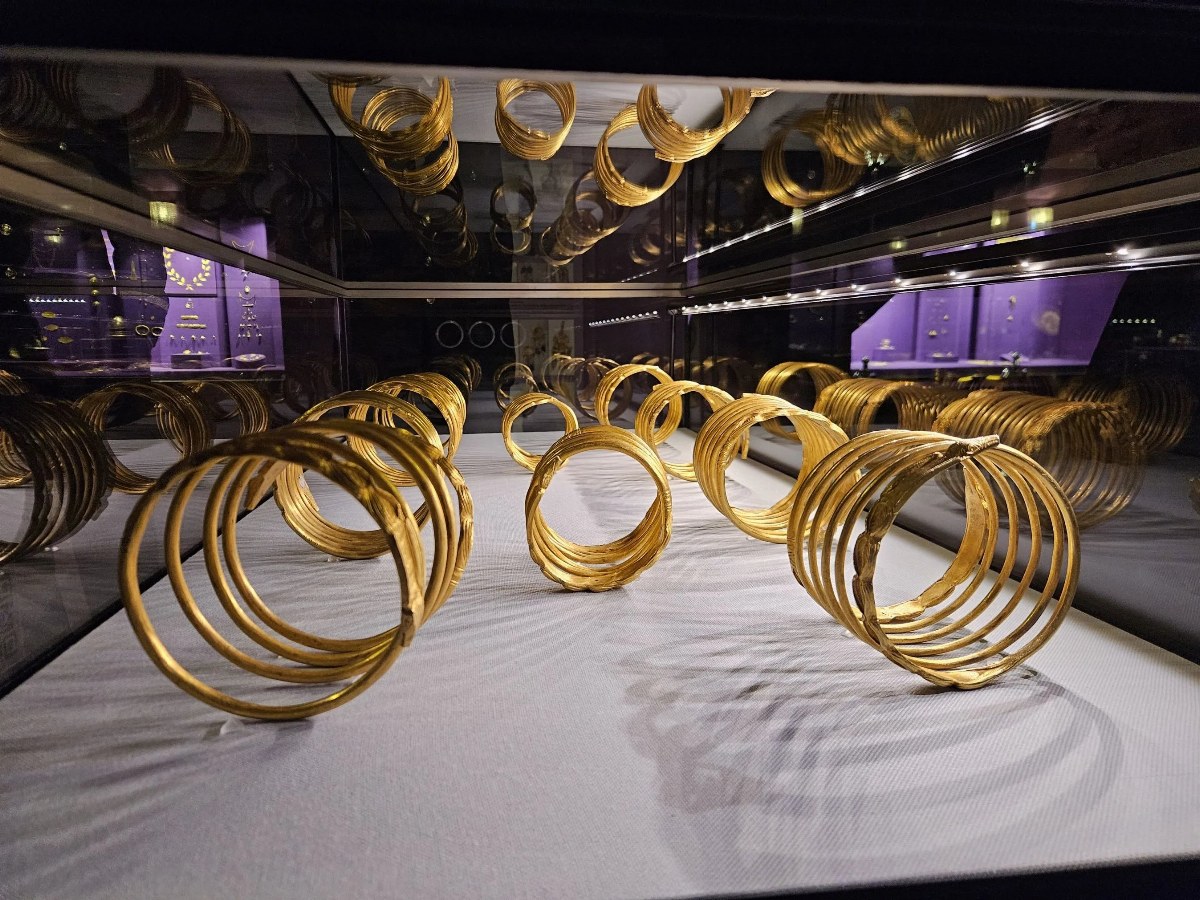
Europol stated, “Criminals are breaking into buildings and smashing display cases using tools such as sledgehammers, axes, crowbars, and in some instances, explosives.” This tactic was also employed by the thieves who stole the Dacian bracelets and the Helmet from Coțofenești at the Drents Museum in the Netherlands in January of last year.
Changes in Museum Heists Reported by Police
While traditional gangs operated with deception and discretion under a central leader with specialized skills, recent thefts have been executed by decentralized groups formed on the fly from profit-driven opportunists. These individuals are recruited through social media, engaging in a model described as “crime as a service,” according to Europol.
The agency noted that thieves are increasingly targeting gold items, from nuggets and coins to jewelry. “Precious metals can be easily melted down without leaving traces for law enforcement, thus facilitating illicit sales in the process of disposing of stolen goods. Gemstones in jewelry, on the other hand, can be easily removed and sold later,” the report states.
Reuters highlights the example of the Dacian treasure heist in the Netherlands, mentioning that while the artifacts from Romania were later recovered and returned, one of the bracelets remains missing.
Europol also observed a rise in the theft of ancient Chinese porcelain artifacts, particularly Ming dynasty vases, due to high demand.