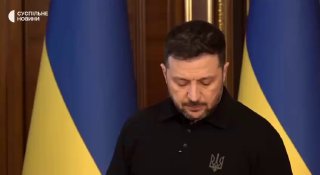
Today is State Flag Day in Ukraine, a celebration of a symbol that has represented the country’s national identity since the 19th century. The blue and yellow colors became associated with the Ukrainian national movement during this time. In 1917, the flag was officially adopted by the Ukrainian People’s Republic (UPR), with significant proclamations of Ukrainian statehood occurring in 1917, 1941, and 1990 under this flag.
After the establishment of Soviet power in Ukraine, the display of the national flag was banned, leading to imprisonment for its use. The KGB monitored these so-called “anti-Soviet” actions, yet patriots continued to fly the flag across the country. During the declaration of Ukraine’s independence, members of parliament first brought the flag into the Verkhovna Rada, but it was not raised above the dome due to majority opposition.
It wasn’t until September 4, 1991, following numerous protests demanding its official status, that the flag was finally hoisted. On September 18, 1991, the Presidium of the Verkhovna Rada legally established the blue and yellow banner, and a law concerning the national flag was adopted on January 28, 1992.
The most common interpretation of the flag’s colors is that the blue stripe represents the clear sky, while the yellow symbolizes golden wheat fields. Some interpretations suggest that the colors signify the primary elements of nature—fire and water—and in religious contexts, yellow embodies God and spirituality, while blue represents the earthly realm.
Notably, a flag made in Bakhmut in 2012 entered the Guinness World Records for its size, measuring 2,400 square meters. Furthermore, during the defense of Donetsk airport, Ukrainian soldiers known as “cyborgs” displayed the flag above the control tower, despite constant enemy fire, until the tower was destroyed.
A myth persists that the flag should be yellow-blue rather than blue-yellow, claiming that this inversion is the cause of Ukraine’s misfortunes. However, both arrangements have historical precedence, with the current order being formalized following the collapse of the Hetmanate of the UPR.