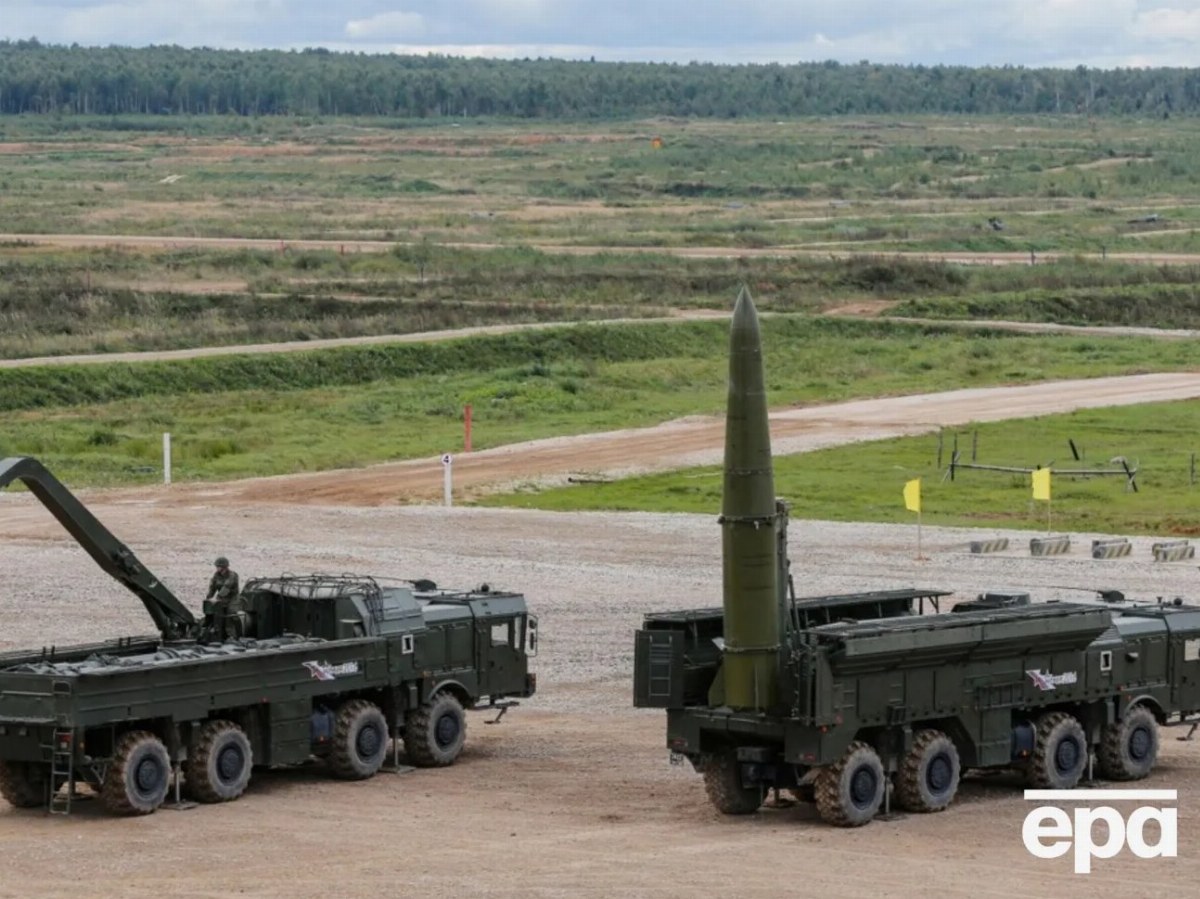
According to military spokesperson Ignot, the Iskander launch systems arrive at their positions at times that make detection difficult. After launching a missile, these systems quickly retract to avoid being targeted. Thus, effective engagement requires timely intelligence and precision weaponry.
“The Iskander launchers are mobile systems on a wheeled platform, arriving at locations under conditions that can obscure them from satellite view, such as during cloudy weather or at night. Once positioned, they can wait for a command to launch. After the missiles are fired, they have not yet reached the stratosphere before the launchers are already leaving the site. This makes destroying them a considerable challenge,” Ignot stated.
He further noted that a more effective strategy is to target the production facilities of Russian missiles, their transportation routes, and deployment points. According to Ignot, Ukrainian forces have conducted such operations multiple times.
Context
- On August 5, amid a critical shortage of missiles for the Patriot system and increased ballistic attacks from Russia, Ukrainian President Volodymyr Zelensky stated that one of the primary objectives of defense forces is to destroy the Russian launch systems that fire ballistic missiles at Ukraine. However, a source from the Ukrainian Armed Forces explained that these Russian systems are highly mobile, capable of changing positions in approximately ten minutes, and are protected by air defense systems.