Saudi Arabia, Russia, and five other members of OPEC+ have agreed to increase their oil production quotas for September during a virtual meeting held on Sunday, amidst the ongoing conflict in the Middle East.
The seven participating countries decided to implement an increase of 188,000 barrels per day, which is similar to previous months, according to the Organization of the Petroleum Exporting Countries (OPEC). The organization did not mention any pause in this cycle of increases, despite widespread analyst expectations for such a measure, as reported by the news agencies Reuters and France Presse.
The Middle East conflict has impacted production levels in Gulf nations, forcing them to reduce extraction rates due to blockages in the Strait of Hormuz. Maritime traffic in the region rebounded following a memorandum of understanding signed between Iran and the U.S. in June, which, according to OPEC data, contributed to an increase in production since May.
However, the resumption of hostilities in the Middle East in July has led to a new decline in maritime transport through the Strait of Hormuz and has heightened risks in the Red Sea, developments likely to result in a decrease in the number of barrels produced.
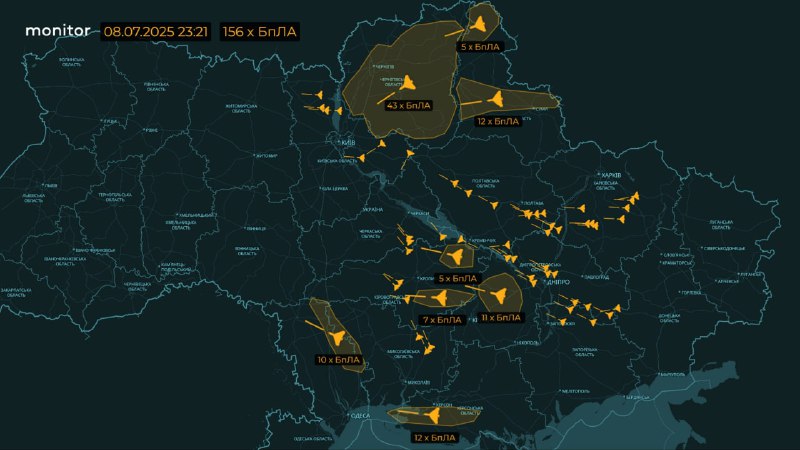
Additionally, Russia, whose oil infrastructure is frequently targeted by Ukrainian drone attacks, is struggling to maintain production close to 9 million barrels per day (mb/d), compared to its current target of 9.8 mb/d.
“For now, geopolitical factors mask the extent of the supply increase provided by OPEC+. This will become much more evident once export flows normalize,” noted analyst Jorge Leon from Rystad Energy.