United States lawmakers have agreed on a comprehensive sanctions bill against Russia, known as the “Hellish Sanctions” proposal, which is slated for a procedural vote on July 28. This legislation aims to impose severe tariffs and penalties on Russian oil and gas, reflecting the ongoing response to Russia’s actions in Ukraine.
- A staggering 500% tariff on Russian oil, gas, petroleum products, petrochemicals, and coal imported into the United States.
- Secondary tariffs of 100% on countries that import Russian oil and gas or facilitate evasion of these sanctions.
- A five-year limit on the duration of the new tariff powers.
This updated version of the bill follows discussions between the late Senator Graham and the Biden administration regarding its terms, which also featured a recent visit to Kyiv by Graham to meet with Ukrainian President Volodymyr Zelensky.
On July 14, the Senate presented this revised sanctions package. Reports indicated that it included relaxations on tariffs for third-party buyers of Russian oil and gas, capping them at a maximum of 100% compared to the previous 500%. Additionally, the new version allows exemptions for countries that import less than 15% of their gas from Russia and actively reduce that import level, potentially affecting nations like Japan, France, Hungary, and Belgium.
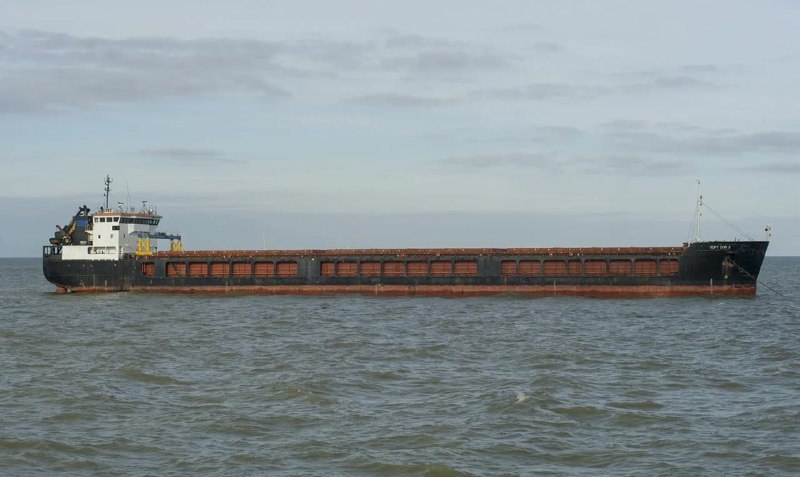
The sanctions aim to target Russia’s “shadow fleet” and financial institutions, including the Central Bank of Russia, as well as major energy projects such as the Yamal LNG and Arctic LNG plants. However, a provision was added allowing the U.S. President to waive sanctions if deemed in the “national interest.”
Recently, financial sanctions against Iran were included in the proposal, following a call from President Trump. Journalists reported that American senators expanded the scope of the bipartisan sanctions bill to encompass Iran, renaming it the “Lindsey Graham Sanctions Act Against Russia and Iran of 2026.” This updated document maintains extensive sanctions against Russia for its war in Ukraine while extending provisions of the 1996 Iran Sanctions Act.
Bloomberg noted that the U.S. President would have the authority to impose tariffs against the five largest buyers of Russian oil and gas, as well as five countries aiding Russia in circumventing energy restrictions. This could complicate U.S. trade relations with China and India, both of which are significant purchasers of Russian energy resources. Some Democrats have expressed concerns that Trump may use this legislation as a legal basis to impose broader tariffs.
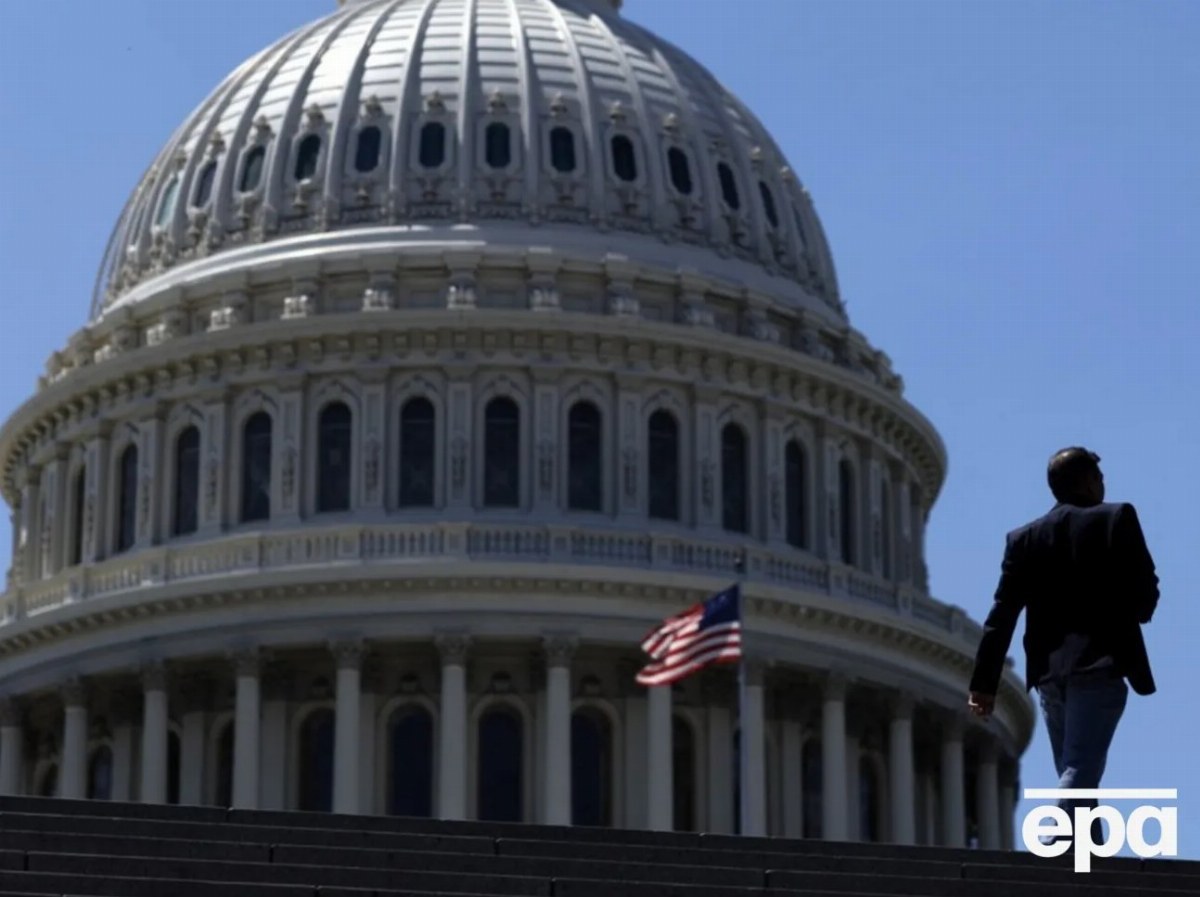
While the proposal has a strong chance of passing in the Senate this week, it is unlikely to become law until at least September, as the House of Representatives is in recess for August.
The procedural vote was scheduled to take place on July 28, coinciding with tributes to the late Senator Graham. Earlier that day, President Zelensky met with Trump in the Oval Office, described by White House Press Secretary Caroline Levitt as a “positive and productive” meeting.
Journalist Kateryna Lisunova indicated that the Senate was set to convene at 5:00 PM Eastern Time (midnight Kyiv time), with voting expected to begin approximately an hour later. The initial focus would likely be on legislative initiatives carried over from the previous legislative day, followed by the procedural vote on Senator Graham’s sanctions bill.
Lisunova emphasized that this would not be the final Senate vote on the bill, but merely a procedural step to initiate formal legislative consideration.
According to Fox News, President Zelensky arrived at the Capitol and met privately with Senators, receiving a warm welcome of applause. Following this, Senators from both parties held a briefing, but the results of the voting and statements from senators were not available at the time of publication.
Context
- The “superpower” sanctions proposal was introduced in the U.S. Senate on May 1, 2025.
- The updated bill, promoted by Democrat Richard Blumenthal, had the support of over 60 senators by July 16, sufficient for its passage.