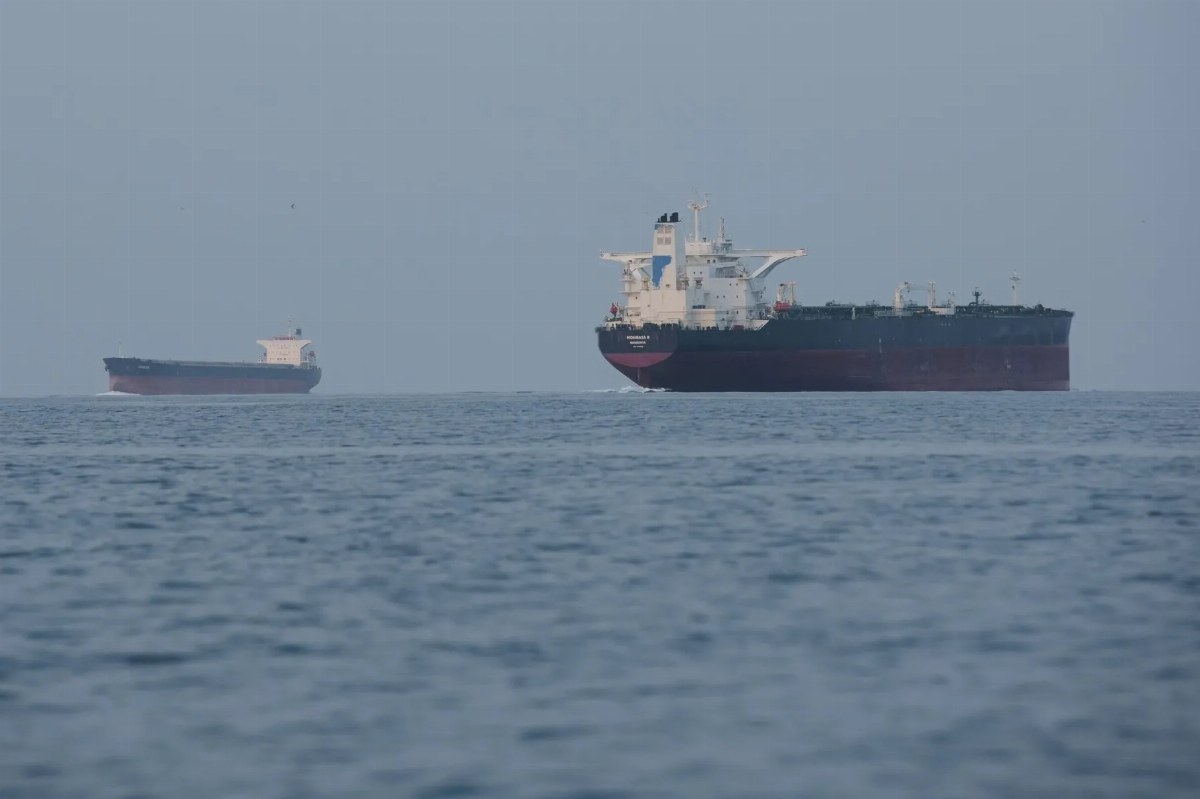
Maritime traffic in the Strait of Hormuz has slowed to nearly a complete halt following US airstrikes on Iran for the second consecutive day, according to reports. Currently, shipping through this vital waterway is largely restricted to a northern route approved by Iran, while a southern corridor, backed by Oman and the US, has seen minimal activity.
Only one US-sanctioned supertanker leaving the Persian Gulf and an Iranian-flagged container ship were spotted passing through the strait, as reported by Bloomberg News. This marks a dramatic decline from previous activity levels.
In the three weeks following an interim agreement between the US and Iran regarding the reopening of the Strait of Hormuz, the average daily transit of cargo vessels was 34, peaking at 59 on June 24, according to data from Kpler. However, during the current conflict, daily crossings have mostly fallen below 20.
Trump Claims Peace Agreement with Iran is Nullified
US air forces launched new strikes on Iranian targets overnight Wednesday into Thursday, as President Donald Trump condemned the previously established peace agreement with Tehran. “From my perspective, dealing with them is just a waste of time,” Trump stated regarding Iranian leaders.
On Wednesday, President Trump declared that the memorandum of understanding signed with Iran to end the conflict is “over,” adding that he does not wish to cooperate with Tehran and describing its leaders as “sick people.” In retaliation, Iran has also conducted new strikes against targets in Gulf states in response to the US bombings.
Last month, Trump announced the conclusion of an interim peace agreement with Iran, with specific details to be determined by negotiation teams from both sides. However, talks between Tehran and Washington have stalled due to significant disagreements, particularly concerning the fate of Iran’s enriched uranium stockpile, which Trump insists must be removed from the country.