I would like to ask you not to exaggerate the significance of the current crisis in relations between Ukraine and Poland, which is directly caused by historical issues. It is primarily about the Volhynia tragedy and, more broadly, about mass murders of Ukrainians and Poles during World War II and after its end, as well as deportation actions.
From the perspective of my parliamentary experience, this is the sixth escalation of disputes over historical issues and related emotions, especially visible in Polish politics and public debate.
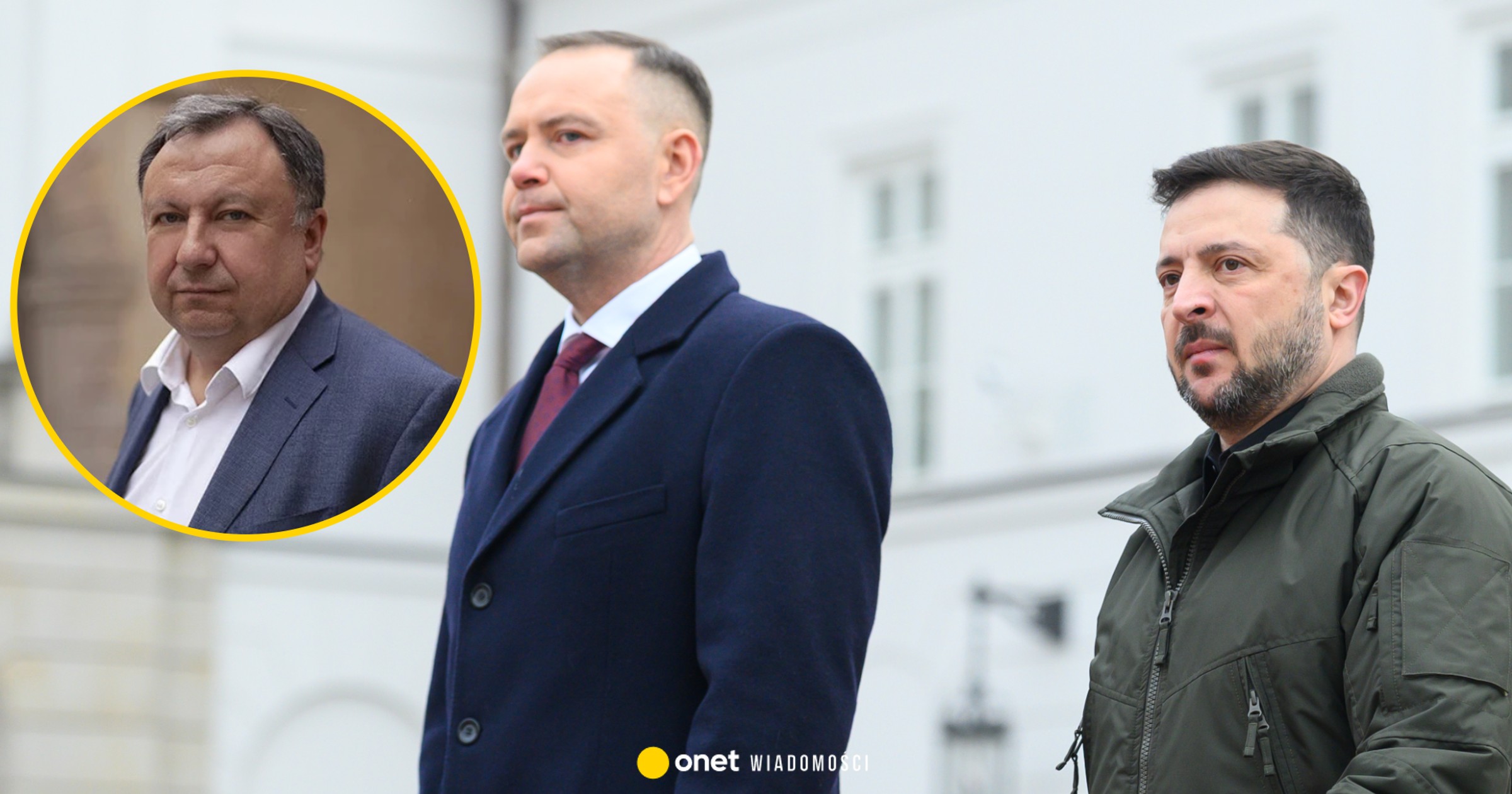
We are currently witnessing and participating in the sixth wave of exacerbation of tensions. A kind of “punishment” for the president of Ukraine and our entire country is to be depriving Volodymyr Zelensky of the Order of the White Eagle.
From an emotional point of view, this is an extremely difficult situation both for the Ukrainian president and for all Ukrainians. However, in politics, emotions are a bad advisor.
Over the last dozen or so years, similar tensions have recurred many times, each time evoking strong emotions on both sides and affecting the atmosphere in Polish-Ukrainian relations.
2010
The flashpoint was the awarding of the title of Hero of Ukraine to Stepan Bandera. In response, Polish MEPs initiated the adoption of a resolution by the European Parliament condemning this decision.
It was then that the thesis that “with Bandera, Ukraine will not become part of Europe” entered the Polish and European political discourse.
Global Images Ukraine / Contributor / Getty Images
Billboard dedicated to Stepan Bandera in Druzhkivka, Donetsk Oblast, Ukraine, April 16, 2026.
2013
The Polish parliament, media and wide circles of public opinion conducted an intense debate on how to commemorate the 70th anniversary of the Volhynia tragedy. In the campaign to recognize these events as Polish genocide, the Polish right wing received the support of 148 deputies of the Party of Regions, who appealed to the Sejm of the Republic of Poland to carry out this “act of historical justice”.
2016
Already during the Russian-Ukrainian war, the Polish parliament adopted a resolution in which the Polish-Ukrainian conflict of the 1940s was defined as genocide.
2023
The Polish right wing demanded that Ukrainian President Volodymyr Zelensky kneel and apologize on behalf of Ukraine as a condition for continuing to support our country.
2024
The Polish government has actually given Ukraine an ultimatum regarding membership in the European Union, making its position dependent on the unresolved problem of exhumation.
In the shadow of the Kremlin
Radosław Sikorski said that Karol Nawrocki faces a choice: either leave the order to former German Chancellor Gerhard Schroeder, who receives money from Putin, or take it away from the president of Ukraine, who is fighting with Putin.
I would add to this that the Polish right wing is already de facto creating a program for the future reconstruction of relations with the Russian Federation. In their opinion, the key to rebuilding relations with Russia is to consciously cool relations with Ukraine, limit the current support for our country and gradually tighten the policy towards Ukrainian citizens staying in Poland – both in terms of residence, social and economic issues.
“We forgive and ask for forgiveness”
We don't know what decision the future president of Poland will make. But the essence of the choice he faced is this.
Therefore, the foundation of the action program of the Ukrainian state, political forces and the entire society should be a return to the formula: “We forgive and ask for forgiveness”. This is a European formula of reconciliation that has proven successful in Polish-German relations and was also implemented in our relations with Poles in the 1990s and at the beginning of the 21st century.
The church celebration of the 25th anniversary of the visit of Pope John Paul II to Ukraine should be an excellent opportunity to recall the path our nations have already taken towards mutual reconciliation based on truth.
It was in Lviv that the Pope called on Ukrainians and Poles for mutual forgiveness and reconciliation.