The mystery of the Strait of Hormuz, after it was blocked. How Oil “Leaks” and Why Prices Haven't Exploded. Still

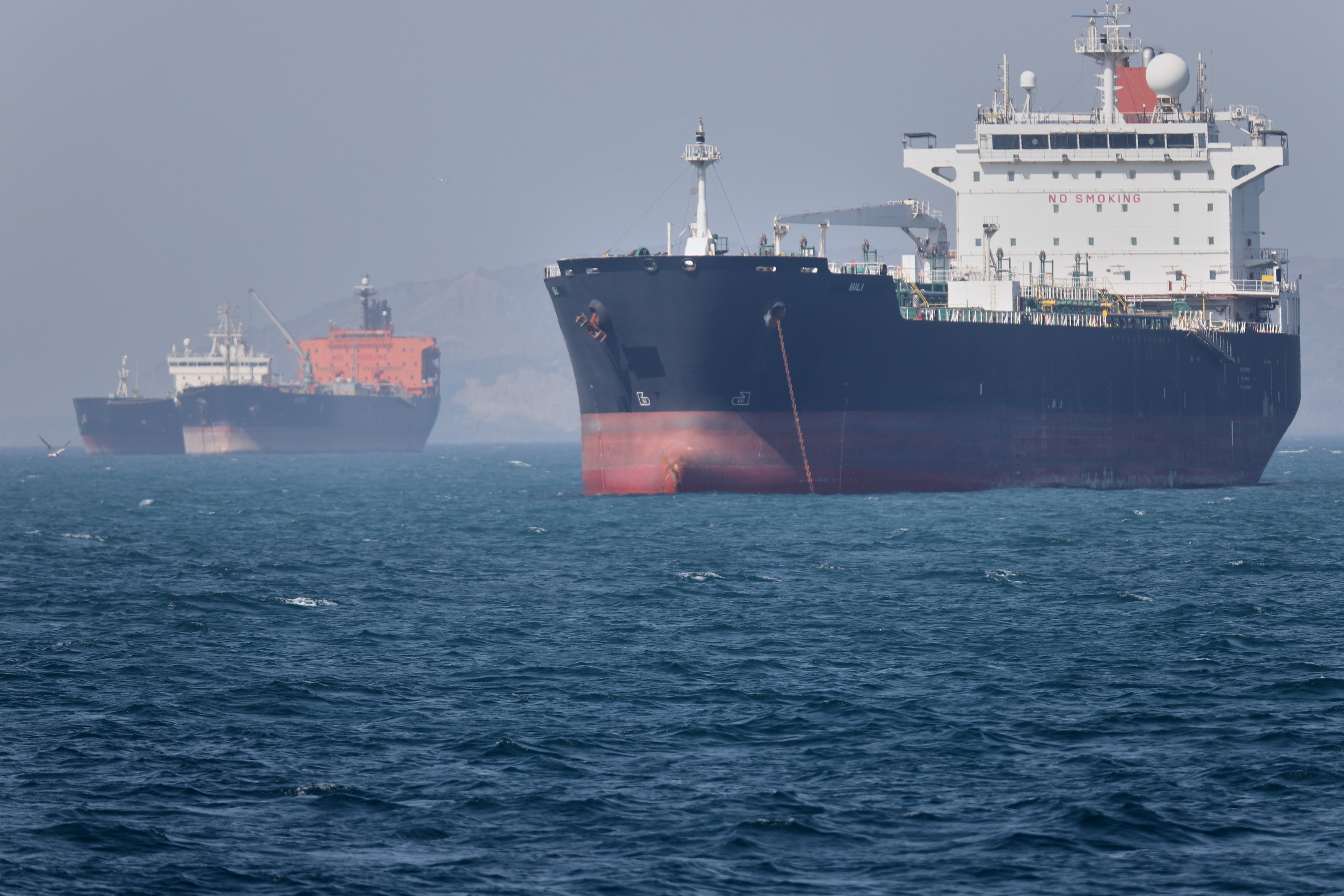
One of the biggest mysteries of the global economy is why the oil market has remained so calm during one of the biggest supply shocks in history. Analysts cited by CNN say several factors have prevented, at least for now, an explosion in prices, but warn that the effects of the crisis could become more visible in the coming months.
The Strait of Hormuz is virtually paralyzed after three months of war, a nightmare scenario that few considered possible before the conflict with Iran broke out.
Traffic through the Strait of Hormuz is estimated at just 15% of pre-war levels, according to JPMorgan.
However, oil futures have not exploded to the dangerous price levels that analysts and investors anticipated, at least not yet.
“ghost” transit
One theory is that a surprisingly large amount of crude is making it past the double blockade of the Strait of Hormuz, helping the global energy system absorb this historic shock. According to experts cited by CNN, oil tankers carrying these so-called “clandestine flows” could avoid the blockade by turning off their transponders to avoid detection.
JPMorgan estimates that these clandestine flows amounted to about 2.1 million barrels per day in the last two weeks of May. The volume represents a relatively small but significant portion of the 15.6 million barrels that transited the Strait of Hormuz daily before the war.
“Despite the ongoing naval blockade and the steep decline in trade traffic, surprisingly large volumes of crude oil and petroleum products appear to continue to transit the strait,” Natasha Kaneva, head of global commodities strategy at JPMorgan, wrote in a note to clients last week.
Bob McNally, the founder and president of Rapidan Energy Group, told CNN he agrees with the idea that clandestine flows could have delayed or partially mitigated the crisis.
“We assume that traffic through Hormuz was 0%-10% of pre-war levels, but taking into account these leaks, the percentage could be slightly higher,” McNally said.
“It's not nearly enough to avoid major inventory declines that support higher prices, but it does reduce the pressure on the market to some extent,” he added.
Jan Stuart, economist and global energy strategist at investment bank Piper Sandler, estimates that about 2.9 million barrels of crude oil per day made it through the Strait of Hormuz in May. Of this volume, about 2.1 million barrels were transported by vessels that appear to have paid fees to Iranian entities.
The rest, about 900,000 barrels a day, came from so-called “ghost” transits, ships that crossed the strait without being tracked with their transponders turned off.
“Ghost ships, or clandestine flows, help,” Stuart told CNN. “The crisis was mitigated much more effectively than I would have thought possible.”
Decrease in demand more pronounced than thought
Brent oil futures, the market's international benchmark, fell to $93 a barrel on Friday. The price remains well above the pre-war level of around $70, but is considerably below the recent peak of $114.
However, clandestine flows are not the main reason for the relative calm of the market.
Piper Sandler estimates that about 4.5 million barrels of crude oil per day have left the Persian Gulf via other routes, mainly through the East-West Pipeline, which links Saudi Arabia's oil fields to the Red Sea port of Yanbu.
An even more important factor is that China has significantly reduced its crude oil imports, drawing instead on previously built-up stocks.
Lower demand from China, one of the world's biggest energy consumers, helped ease supply pressure. JPMorgan's Natasha Kaneva says explanations include a steeper-than-expected drop in demand and higher-than-officially reported inventories.
“Taken together, these adjustments explain why prices near $100 a barrel do not indicate that the disruption is minor,” Kaneva wrote. “Rather, they show that the market has found ways, albeit costly, to absorb this shock.”
“The situation will get worse”
Some oil industry veterans fear that the market, lulled by these alternative solutions, is underestimating the real impact of the crisis.
Commercial oil stocks have fallen sharply since the start of the war. At the same time, the United States' strategic oil stockpile is fast approaching its lowest level since the early 1980s.
“It's going to get worse,” said Piper Sandler's Jan Stuart.
It estimates that Brent oil will average $130 per barrel in July and August.
If that forecast holds, the price of gasoline in the United States could exceed $5 a gallon this summer, up from about $4.20 today.
Stuart believes that oil prices will need to rise rapidly to encourage further emergency releases from strategic reserves and to drive global consumption cuts.
“You're going to have to get people to consume less. It's much easier to do that when prices are high,” he said.