Hundreds of carefully targeted Ukrainian drone strikes have caused a crisis of major proportions for Russia in key territory. Moscow admits the problems

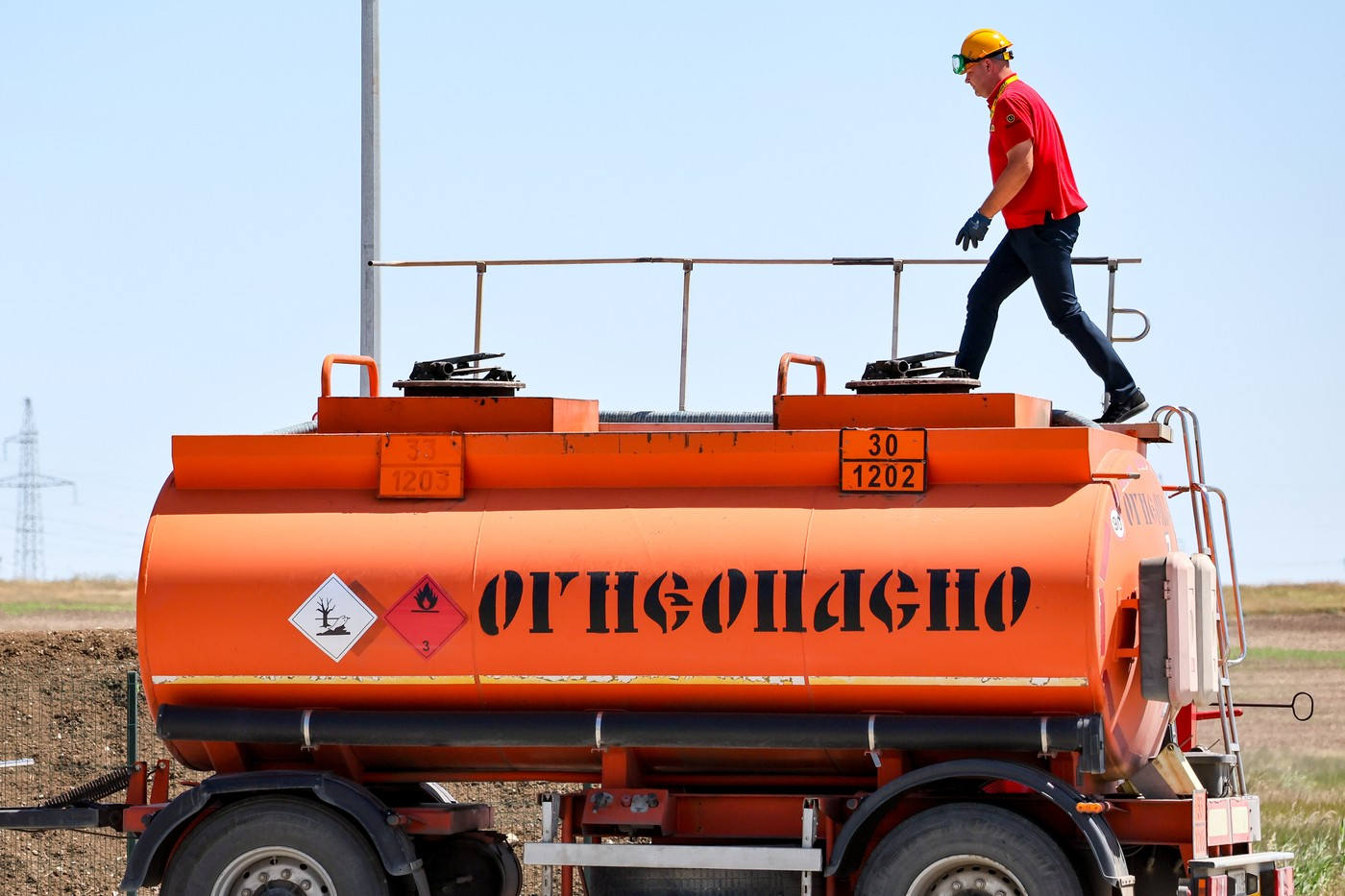
Moscow's Energy Ministry has acknowledged that Ukrainian drone attacks on the country's oil refineries and energy infrastructure are the cause of recent gasoline shortages in annexed Crimea and parts of southern Russia, The Moscow Times and BBC write.
Ukrainian drone attacks on Russian-occupied territories are disrupting Moscow's supply lines and exacerbating a fuel crisis already triggered by remote strikes on Russian oil refineries.
Crimea – which Russia illegally annexed in 2014 – is particularly facing serious logistical difficulties and shortages of all kinds.
Many of these problems stem from recent Ukrainian attacks on a key highway and bridge linking the southern Russian city of Rostov to Crimea via the occupied port city of Mariupol.
The road “is practically the backbone of the Russian occupation in the south,” Clément Molin, an analyst at the French think tank Atum Mundi, told the BBC.
Molin said Ukraine has carried out 300 drone attacks on trucks, including 30 tankers, since the beginning of May, and the campaign has intensified this month.
Effects especially on Crimea
The operation has tangible effects on Crime. The peninsula is strategically important to Moscow as it has been used by its forces to launch drones and missiles at the rest of Ukraine.
Crimea is also a popular holiday destination for Russians during the summer.
Disgruntled tourists and locals took to social media to express their displeasure at the fuel disruption.
Video footage showed long lines at gas stations across the region, with residents saying they had to wait in line for up to 10 hours to fill up.
At the vast majority of gas stations in Crimea, locals can now only buy up to 20 liters of fuel each using prepaid coupons, if available.
Russian tourists who arrived in the region before the crisis began are now struggling to find fuel to leave.
There are also reports of petrol and diesel prices skyrocketing due to the shortage.
“Unfortunately, it does not seem possible to fully meet the demand for fuel at the moment,” Kremlin-appointed regional chief Sergei Aksionov admitted on June 5.
Hundreds of buses, he said, will not leave depots because of the crisis.
The bridge in Kerchi is not a feasible alternative
Roads remain the last route for supplies to reach the peninsula.
The sea route is too dangerous after a number of ferries serving Crimea were taken out of service by Ukraine.
And Ukraine's previous attacks – or the threat of further attacks – have restricted traffic on the bridge in Kerch, which links Crimea to mainland Russia.
“I wouldn't want to drive a truck full of diesel over the bridge in Kerchi right now – that would be asking for trouble,” Craig Kennedy, an expert on the Russian oil industry and research associate at Harvard University's Davis Center, told the BBC.
“So you'll have to bring it overland, through Mariupol. And there you're vulnerable all the way,” he said.
Broader effects on Russian capabilities
Some Russian sources claim that Ukrainian attacks on logistics routes have already damaged the combat capability of the Russian military.
“Attacks emptying civilian fuel stations also affect supplies to troops in the south,” Ribar, a pro-Kremlin Russian military analysis account, wrote on his Telegram account.
On June 7, a Ukrainian attack damaged a key bridge in Chohnar, northern Crimea, which linked the region to the rest of Ukraine and was used by Russian troops and civilian vehicles traveling on the R-280 highway. Traffic on the bridge was suspended.
Fuel supply problems are compounded by Ukraine's long-range attacks on Russian oil refineries and depots, which Kiev has been conducting for several months.
President Volodymyr Zelensky said nearly 40 percent of Russia's “primary oil refining capacity” was taken out of service in May because of the attacks.
Now, Craig Kennedy said, Ukraine's expanding campaign against Russia's supply network is shifting from targeting large refineries to smaller, local distribution networks.
“This has a more concentrated impact on the local population and the military in certain regions, such as Crimea,” he said.
Drone strikes have also affected other parts of occupied Ukraine, including Luhansk and Kherson regions.
Moscow admits the problems
Russia's Energy Ministry has acknowledged that Ukrainian drone attacks on the country's oil refineries and energy infrastructure are the cause of recent gasoline shortages in annexed Crimea and parts of southern Russia, writes The Moscow Times.
“Recently, enterprises in the energy and fuel sector have faced an increase in enemy airstrikes, which has led to temporary difficulties in the supply of fuel in several regions in the south,” the Ministry of Energy said in a statement released late Monday.
Officials said they had established an “industry-wide task force” aimed at ensuring the “stable and efficient operation of the country's entire energy sector.”
Last month, Russia's Energy Ministry sought to reassure the public that the domestic gasoline market remained “stable and under control” despite the gradual introduction of fuel rationing measures in annexed Crimea.
Crimea and at least 14 Russian regions have since introduced various rationing measures at local gas stations.
Outside of Crimea, the true extent of the shortage remains unclear, with some local restrictions appearing to target panic buying and stockpiling rather than an immediate and acute supply crisis.