“Iran overestimates its books”. The UAE is talking about the chances of a Tehran deal with the US

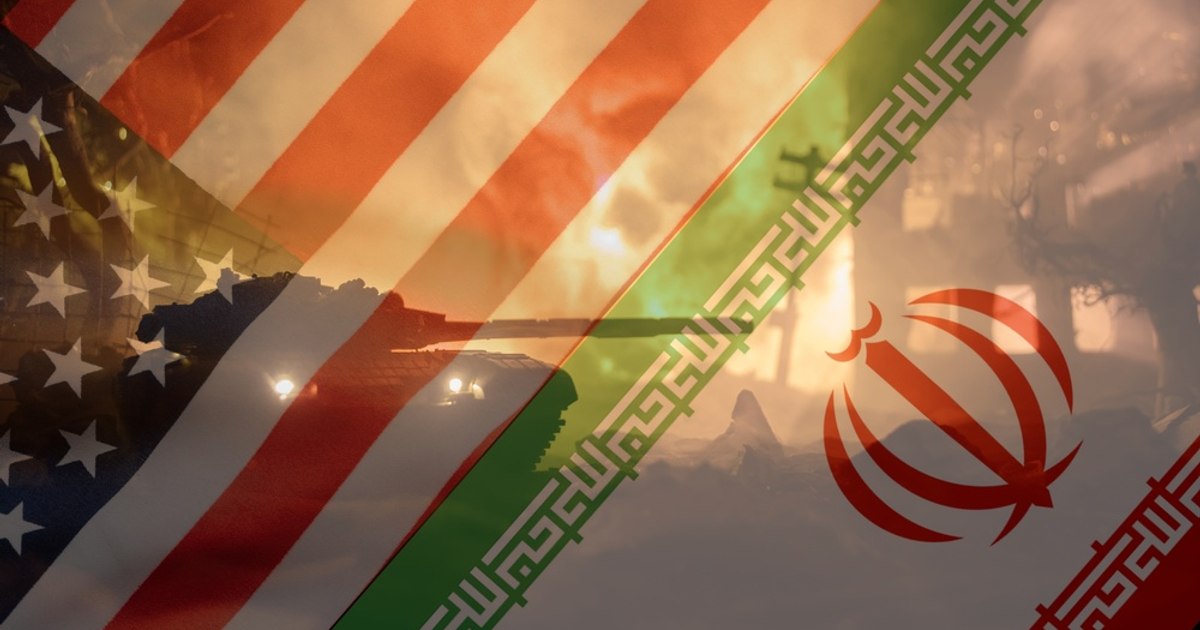
Is there a “50-50 chance” for the United States and Iran to reach a peace deal, United Arab Emirates presidential adviser Anwar Gargash said Friday, warning that Tehran has a tendency to “overestimate the books” game.
The negotiations have so far not led to a concrete result. PHOTO: Shutterstock
The statements came amid tense negotiations between Washington and Tehran, after Pakistan brokered a ceasefire aimed at ending the conflict in early April.
However, talks on a long-term peace deal and the full reopening of the Strait of Hormuz have so far produced no concrete results, according to Reuters.
“There's a 50-50 chance we'll get a deal. My concern is that the Iranians have always negotiated from an exaggerated position,” said Anwar Gargash at the Globsec Forum conference held in Prague.
The UAE official said Iran had missed numerous diplomatic opportunities in the past because of how it assessed its negotiating position.
“It's nothing new. They've missed many opportunities over the years because of their tendency to overvalue their cards. I hope they don't do that this time,” Gargash said.
He stressed that the region needed a lasting political solution and warned that a new wave of military attacks would further exacerbate tensions.
Simply achieving a ceasefire without addressing the underlying issues risks setting the stage for a new conflict, he says.
“That's not what we're looking for,” he added.
During the conflict, Iran has repeatedly launched attacks on targets in the United Arab Emirates, including civilian infrastructure and near US military facilities in the region. The authorities in Abu Dhabi announced that the drone and missile strikes affected energy installations, desalination units and areas near the capital and the city of Dubai.
Anwar Gargash warned that any attempt to control the Strait of Hormuz would set a dangerous precedent and turn the sea route into a geopolitical tool of pressure.
The official pointed out that changing the current status of the strait would have global economic and energy consequences, including for Europe, asking European states to treat the situation as a problem directly related to their own energy security.