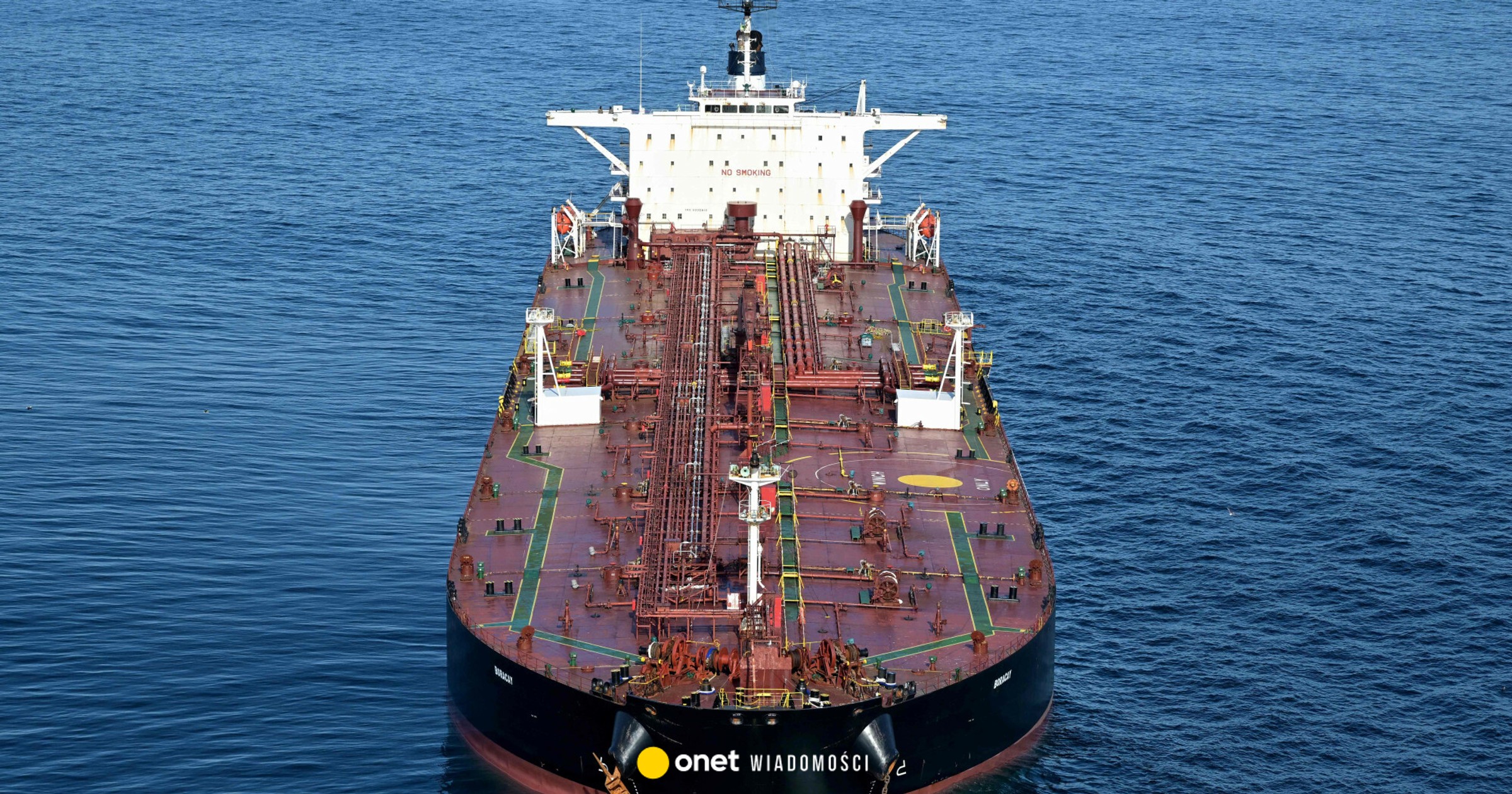
The move aims to keep more oil on global markets and ease oil prices as the war in Iran, now approaching its third month, continues to hamper navigation through the Strait of Hormuz. However, opponents sharply criticized this exemption, claiming that it allows Russia to profit from increased oil prices and enrich Moscow's war machine. On Monday, the price of oil in the United States rose by about 2%. to about $103. per barrel.
The general license issued by the Treasury Department's Office of Foreign Assets Control allows any country to buy Russian oil already offshore for another month. This extends the sanctions relief, first issued in March and renewed in April, for a third month.
“This blanket license will help stabilize the physical oil market and ensure that oil reaches countries most vulnerable to energy shortages,” Bessent wrote in a post on X. “It will also help redirect existing supplies to countries most in need by limiting China's ability to stockpile oil at discounted prices.”
Bessent justifies the easing of sanctions
He added that the Treasury Department would work with countries facing shortages to “grant specific licenses as needed.”
This is the second time Bessent has extended his leave again, despite previously promising to let it expire. In April, he ruled out extending the leave beyond the original 30-day period, but a few days later he changed his mind and announced the first extension.
Bessent defended the change in position to lawmakers at a hearing last month, saying he had been approached by “more than 10 of the world's most vulnerable and energy-poor countries” asking for an extension of the exemption.
— If we had not eased the sanctions, [ceny ropy] could be $150. [za baryłkę]because the world has become very well supplied,” Bessent said. He stressed that Russia is earning less than it would if prices rose even more, and American consumers are also paying lower prices at gas stations. Bessent later told the AP that he would not extend the exemption, which expired on Saturday, for a second time.
The US had no choice
Brett Erickson, managing director of consulting firm Obsidian Risk Advisors, said that given the rationale behind the first extension, Bessent had no choice but to extend the exemption through June.
“He actually cited 'humanitarian reasons' to justify the extension – the conflict has been going on for almost a month longer, the Strait of Hormuz is still closed, and the crisis in many Asian countries has gotten exponentially worse,” Erickson said. “There's really no other option,” he added.
Late last month, fourteen Democratic senators called on Bessent to reinstate the sanctions, calling the waiver “a mistake that President Trump must correct immediately.” Ukraine also sharply criticized the easing of sanctions.
Last month, the Treasury Department let a separate sanctions waiver that allowed the sale of Iranian oil expire. He also imposed new sanctions on Tehran, including the so-called kettle refineries [małe, niezależne zakłady] in China, which processes Iranian oil, part of what Bessent called “Operation Economic Fury.”
On Monday, the Treasury Department announced a $275 million settlement with the Indian company Adani Enterprises over the alleged import of Iranian liquefied natural gas under the guise of supplies from Oman and Iraq.
President Donald Trump told reporters on Friday after returning from a trip to Beijing that he is considering lifting sanctions on China's “kettle” refineries.