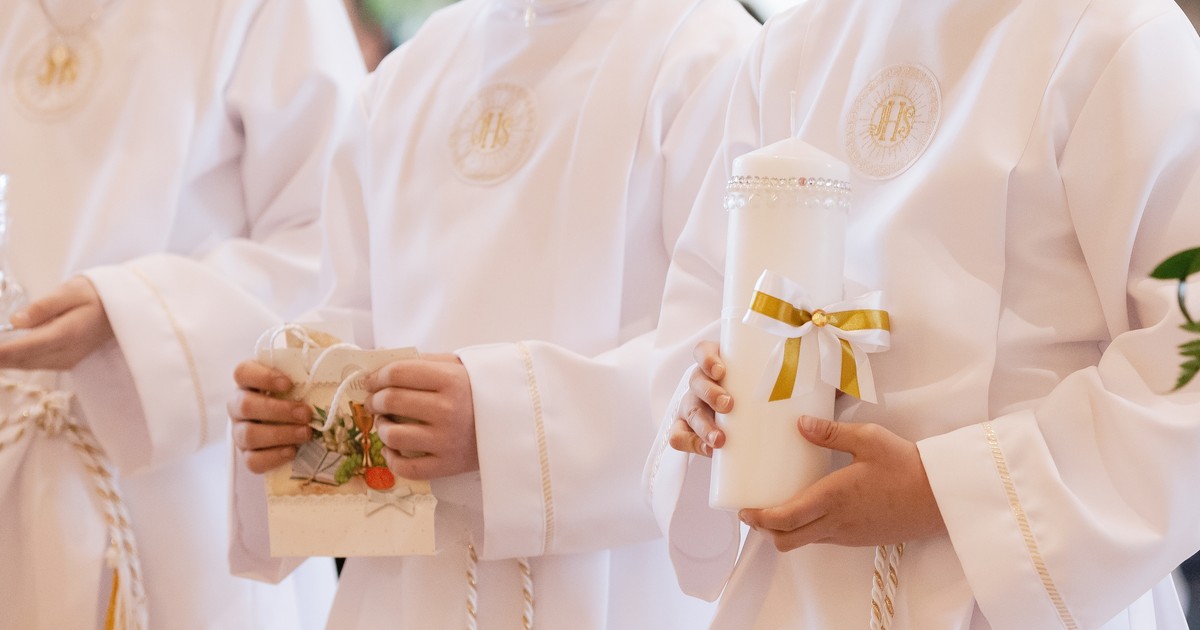
A seemingly innocent gesture, such as giving cash, a gold bar, a new phone, a quad bike or an expensive computer for First Communion, may cause problems. In some cases, these gifts require tax to be paid.
Every year there are new trends in the gifts that children receive on the occasion of their first communion. The value of communion gifts is gradually increasing, yet the awareness among people who give gifts is not increasing. Many Poles still do not realize that the tax office may be interested in expensive gifts.
Do you have to pay tax on First Communion gifts? We explain the rules
The regulations clearly define when you must report a donation and pay tax. As “Gazeta Prawna” reminds, communion gifts are treated as a donation. The tax liability depends on the value of the gift and which tax group the donor belongs to.
Exceeding the limits or failing to report a donation may result in high tax penalties. Knowing the rules helps you avoid problems with the tax office.
See also: Big parties and expensive gifts. This is how much Poles spend on first communion
According to the tax system, donors are divided into three different groups, which are entitled to different limits on the value of donations on which no tax is required:
- group I – immediate family (e.g. parents, grandparents) – 36 thousand PLN 120
- group II – extended family (e.g. uncle, aunt) – PLN 27,000 PLN 90
- group III – unrelated people (e.g. friends, godparents without blood relations) – PLN 5,733.
The limits indicated are valid for five years per person. This means that, for example, gifts from grandpa on an earlier birthday, First Communion gifts and Christmas gifts during the above-mentioned five years will add up.
The tax on communion gifts is no joke
There is also a zero group in the tax system. It includes the closest family members (e.g. spouse, descendants, ascendants, siblings, stepfather, stepmother), who are governed by slightly different laws. In practice, they also belong to group I, and yet they are completely exempt from tax. However, on condition that they report the donation within six months.
See also: Spouses shocked by PIT returns. They wonder if it's legal. Check it out for yourself
As “Gazeta Prawna” explains, the child's parents or guardians have six months to report a donation from the immediate family, using the SD-Z2 form. In the case of other tax groups, the deadline for reporting is one month, and the SD-3 form is used for this purpose.
It is no secret that communion is often a symbolic envelope with cash. Some parents may wonder whether this should be taxed additionally. As “Gazeta Prawna” explains, this does not always have to be done.
To benefit from the exemption, the money must be transferred by bank transfer or postal order. Cash delivered in hand does not meet this condition, as confirmed by the Supreme Administrative Court.