On Wednesday, the Russian Duma passed a new law that sounds extremely dangerous: Putin received it officially green light to attack more countries under the pretext of protecting Russian citizens who would allegedly be detained or ill-treated by foreign states or international tribunals.
This law is aimed primarily at Europe. Moscow expresses opposition to the action justice system and the “machine of repression” of European countrieswhich is repeatedly emphasized by Kremlin propaganda.
Exactly the same argument – “protection of the Russian-speaking population” – was used by President Vladimir Putin to justify the attack on Ukraine four years ago. There is therefore a state of alarm in Brussels. Is Putin really serious about further attacks?
Putin could put pressure on the Baltic states
In Kiev, the new Russian law is described as “aggressive illegality”. This was the term used by Heorhiy Tychyy, spokesman for the Ukrainian Ministry of Foreign Affairs, in an interview with POLITICO. According to him, under this legal act Putin de facto admits that “aggression has become the norm of Russian state policy.”
The article continues below the video
According to POLITICO, EU defense officials and MEPs fear Putin could put the NATO military alliance to the test in the next year or two. This time window remains open as long as Donald Trump is in the White Houseand Europe is not strengthening its military potential.
The Baltic countries are mentioned as potential Russian targets. Several million Russians live in Estonia, Latvia and Lithuania. Many of them consider themselves discriminated againstas Russian is increasingly being replaced as the official language. The Baltic countries are the periphery of NATO. Putin could check with what commitment the Western alliance would be ready to defend this region.
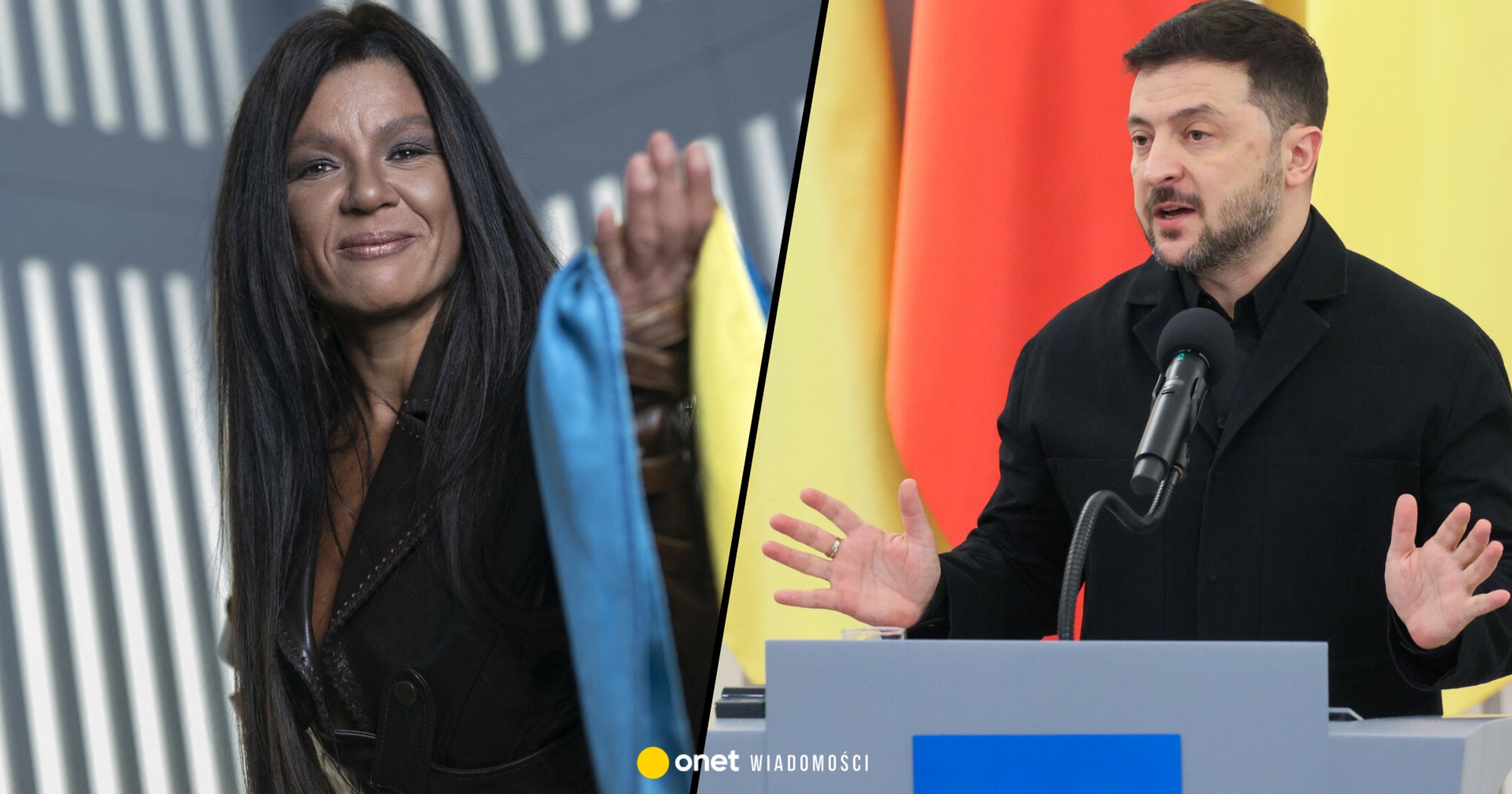
Already in April, Ukrainian President Volodymyr Zelensky warned against a new offensive against Ukraine or the Baltic countries. In his opinion ban on popular messengers it is an introduction to a new mobilization. By blocking these applications, the Kremlin deprives potential recruits of a tool for organizing resistance.
Russia is creating its own alternative to international law
So will Putin soon expand his war? Opinions are divided. Ulrich Schmid, an expert on Russia from the University of St. Gallen, considers the new law to be just one of many threats from the Kremlin. — At the moment, the use of this law in military actions seems unlikely, says Schmid. — The Russian army is fully engaged in Ukraine, where it suffers heavy losses in people and equipment.
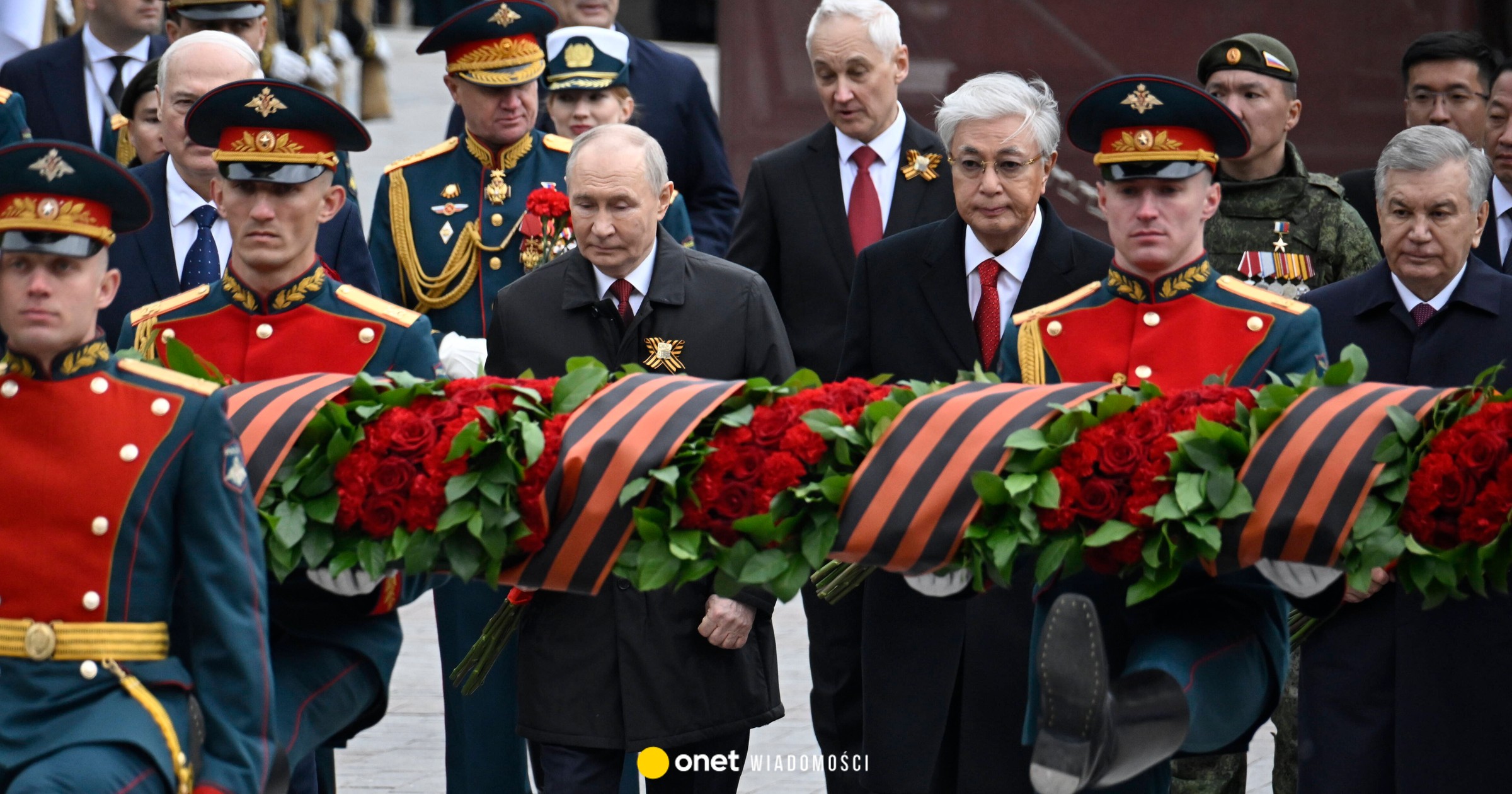
Russian President Vladimir Putin during the Victory Day military parade in Moscow, May 9, 2026.PAP/EPA/PAVEL BEDNYAKOV / POOL / PAP
Schmid sees this law as “part of a symbolic war over the effectiveness of international law.” In his opinion, this is a direct reaction to the actions of some European countries that want to establish their own tribunal to settle Russian aggression against Ukraine. — With its legal structure, Russia makes it clear: we don't care about common law, we are building our own, says Schmid.
In turn, Polina Sommer, founder of the Art of Peace civic platform, bringing together representatives of Russia, Ukraine and Switzerland, does not rule out further aggressive steps by the Kremlin. In her opinion these may arise if the costs of such activities remain acceptableand there will be no threat of serious consequences.
Moreover, there are other possibilities of aggression than a direct military attack on a NATO country. — Although Russia is on the verge of exhaustion militarily and economically, it is already conducting attacks on other countries and organizations using propaganda, cyber operations and sabotage, Sommer emphasizes. This important instrument of the Russian apparatus is a form of modern warfare that many still downplay.
To sum up: Russia is consistently building its own legal parallel reality. Whether this will turn into an open war with the West depends less on legal provisions. It matters much more how decisively Europe will focus on deterrence and which side Donald Trump will choose.
I’m Ashley Davis as an editor, I’m committed to upholding the highest standards of integrity and accuracy in every piece we publish. My work is driven by curiosity, a passion for truth, and a belief that journalism plays a crucial role in shaping public discourse. I strive to tell stories that not only inform but also inspire action and conversation.