
65 people have died after an outbreak of Ebola broke out in Congo. There is no vaccine for the detected strain

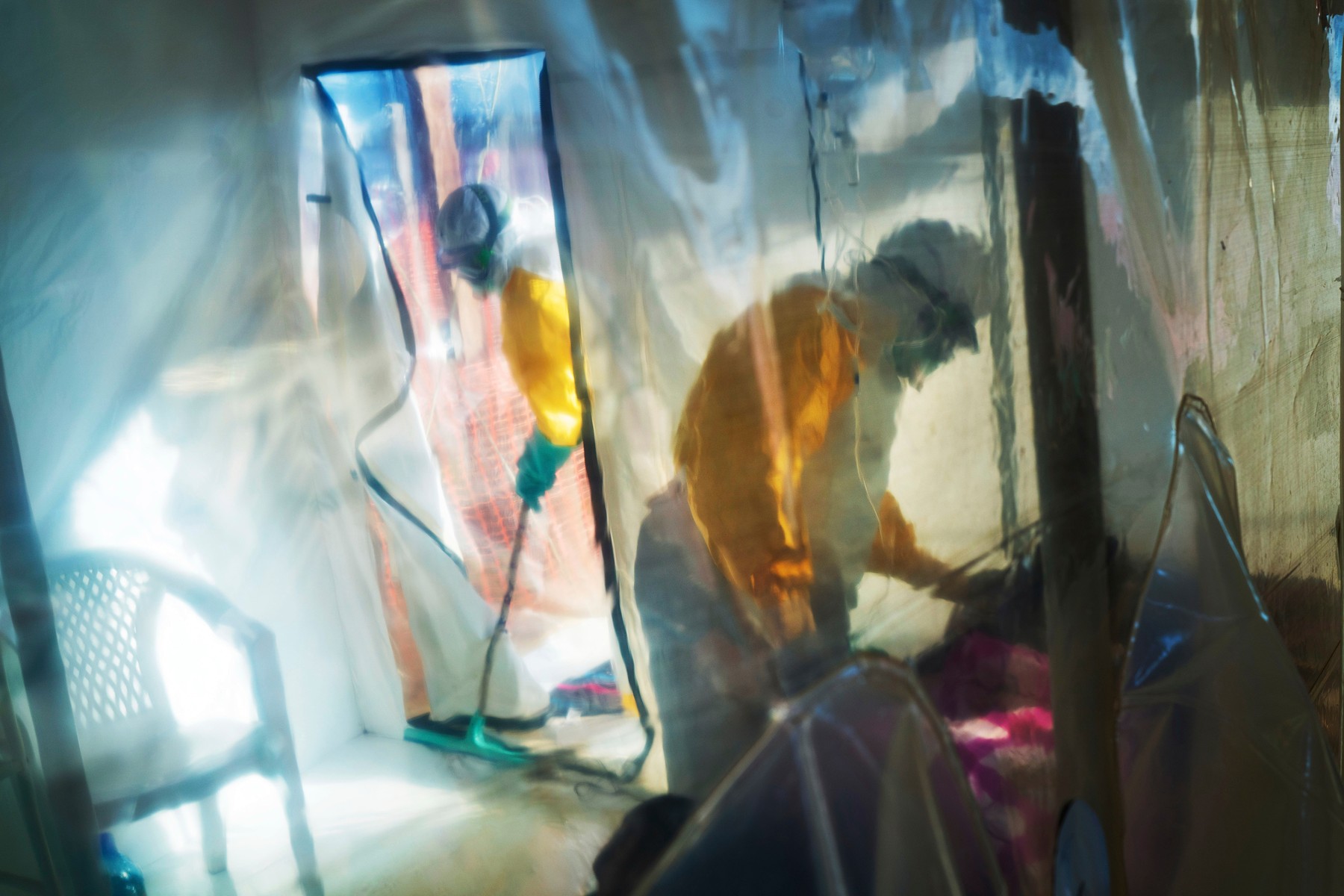
An Ebola outbreak has killed 65 people in the Democratic Republic of Congo, health officials have announced, according to The Guardian.
So far, 246 suspected cases of hemorrhagic fever have been reported in the conflict-affected Ituri province, which borders Uganda and South Sudan.
Uganda's Ministry of Health announced that it had also confirmed an outbreak of the disease and that a 59-year-old man had died in a hospital in Kampala after traveling from the Democratic Republic of Congo.
Officials said they were concerned about the risk of the outbreak spreading. Ituri province is home to several mining towns where the movement of people is constant, making it difficult to control infectious diseases.
Ebola is a serious disease with a high mortality rate. The virus is transmitted through direct contact with bodily fluids, such as the blood or vomit of infected people, but also through contact with their corpses, including during funeral preparations.
The Democratic Republic of Congo has experienced 16 outbreaks of Ebola since the virus was identified in the country in 1976. They have typically involved the Zaire strain of the Ebola virus, for which vaccines are available.
However, DRC health officials said the samples analyzed belonged to the Bundibugyo strain, for which there is no licensed vaccine. There have been two other outbreaks caused by the Bundibugyo virus, in 2007 and 2012.
During the outbreak in West Africa from 2014 to 2016, there were an estimated 28,000 cases and 11,000 deaths.


