“He is not naturalized. How does he box for Romania?” » A Cuban with fake titles, “stolen” per diems from juniors and a lost year on the way to the Olympic Games

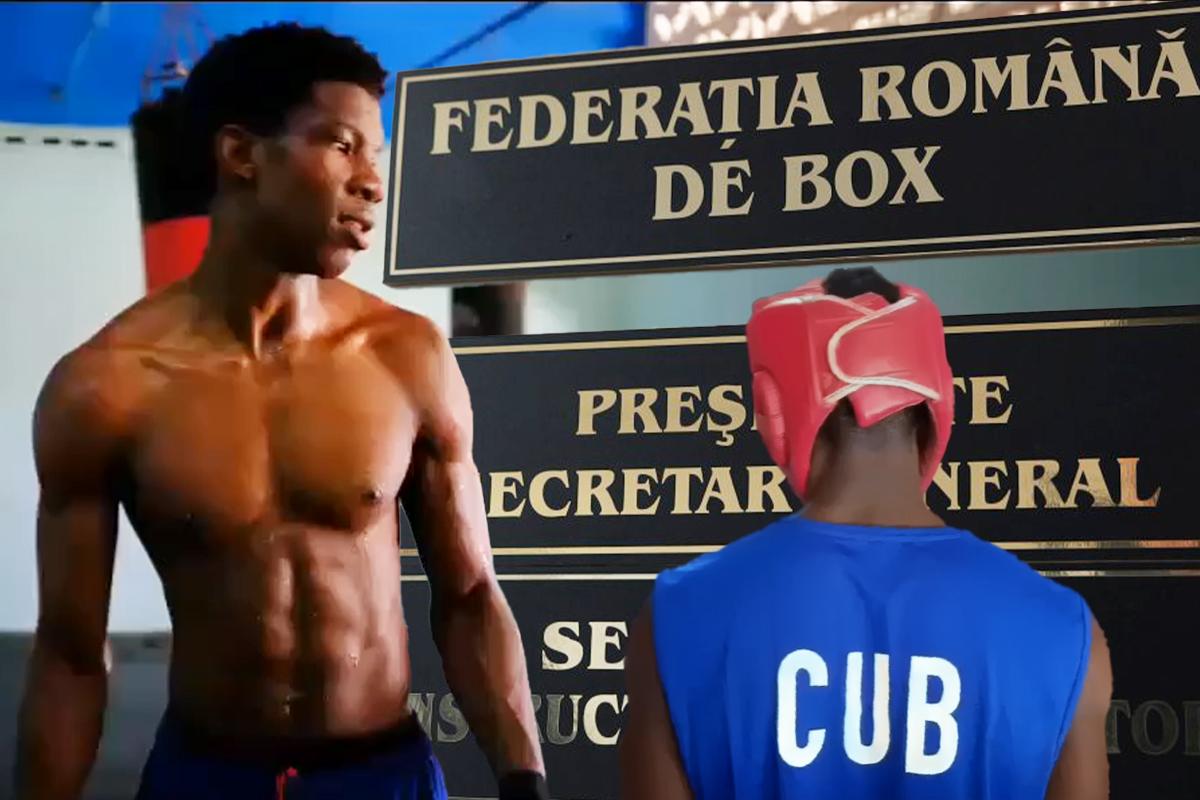
Article by Sebastian Culea, George Nistor – Published Friday, May 15, 2026, 5:03 p.m. / Updated Friday, May 15, 2026, 5:03 p.m.
A Cuban boxer represented Romania in official competitions before he was naturalized, the per diems of children sent to Europe are withheld by officials, and Romania missed a whole year of qualifying Olympic competitions. The accusations come from within the Romanian Boxing Federation, shortly after Gazeta revealed a system of rigged referees and fixed medals.
Former officials accuse that the per diems of 15-year-old children sent to European schools – 15 euros per day – were withheld by adults, and tax evasion is practiced in cantonments
-
Sources inside the Federation raise questions about a Cuban boxer who competed under the “tricolor”: who finances him, under what conditions he was brought and why he was not selected for the World Cup, although he emerged national champion
-
The former federal trainer Alexandru Scarlat claims that the athlete was sent to international competitions on the federation's money before the naturalization papers were completed: “He is not naturalized. How is he boxing for Romania and how do you take him on the Federation's money?”
-
The same athlete would have been publicly presented as world vice-champion – the title is false: “He finished 17th at a tournament, not at the World Championship” Romania missed a whole year of qualifying competitions for the Olympic qualifications: “I did not participate in the competitions”
-
Former officials accuse that the per diems of 15-year-old children sent to the European Championship – 15 euros per day were withheld by adults, and tax evasion is practiced in the cantonments
-
Romania went to the World Cup in Brazil with 11 athletes and returned without any medals, while the Republic of Moldova took bronze with three athletes: “Where does the money go and why are the results so poor?”
The Romanian Boxing Federation is trying to naturalize a Cuban boxer, and the absence of any public information about this process has begun to raise questions internally:
“The Romanian Boxing Federation wants to naturalize a Cuban boxer and we are trying to find out more information about the situation. Things are not clear and that is exactly what we want to find out: under what conditions was he brought, who supports him, what is his salary, how long does his naturalization take?”, explains Dorel Simion, former world champion.
Simion says that Mayeta Luis Suarez boxed in the Romanian Cup as a member of the national team, became national champion and was sent to an international competition. However, at the World Championship in Brazil he did not appear in the selected group.
“There is no clear public information, nothing is displayed on the website of the Federation, although it would be normal to have transparency.”
Former federal trainer Alex Scarlat goes further and disputes the title with which the Federation promotes the Cuban. Vasile Cîtea claimed that he brought a world champion to the lot: “He's not a world vice-champion. He finished 17th at a tournament, not at the World Championship.”
He also explains the source of the confusion – or, he says, the deliberate manipulation of terminology.
“They say they're going to the World Cup, but it's not the World Cup. It's the World Boxing Cup. The World Cup is different.”
The most serious problem, according to Scarlat, remains another: the athlete would have represented Romania in official competitions without holding Romanian citizenshipand the Federation would have covered all his expenses – accommodation, meals, transport and per diem.
“His papers didn't come out. He's not naturalized. How is he boxing for Romania and how are you taking him on the Federation's money?”
“It's impossible what Cîtea says! We can't send three athletes to the Olympics”
World Boxing is the international organization that took control of amateur boxing after the IBA – expelled from the International Olympic Committee in 2023 amid repeated scandals related to corruption, rigged referees and financial mismanagement.
The IOC withdrew the IBA's right to organize boxing tournaments at the Olympic Games from Paris 2024, where the competition was administered directly by the Olympic forum. World Boxing emerged as a reformist alternative, recognized by more and more national federations, and gradually took over the role of reference forum for the qualifications and competitions that count towards Los Angeles 2028.
Federations that delayed joining World Boxing missed out on qualifying competitions for the Olympic ranking – and points earned in this system will count directly towards qualification for LA 2028.
Scarlat claims that Romania was among the countries that delayed this transition, with direct consequences on the Olympic chances of Romanian athletes.
“One year I sat on the bar. I didn't participate in six World Boxing competitions that had a scoring system.”
He directly contradicts the statements of President Vasile Cîtea, according to which Romania could qualify three athletes for the Olympics.
“It's impossible at the moment. We don't have points, we didn't go to competitions, we missed registrations.”
“They even take the 15 euro per day allowance of the children”
Accusations regarding money management do not stop at the case of the Cuban or the missed competitions. Scarlat describes a system whereby funds intended for juniors sent to European competitions were allegedly retained by the adults who accompanied them.
“They even take the children's 15 euro per day per diem. I don't give them any more.”
Sources around the Federation speak of informal understandings between officials and accommodation and food establishments used at the cantonments – arrangements whereby the difference between the officially settled amount and the actual cost of the services would have been shared between the parties.
“I pay you 300 lei per child day, but you price me 150 and we share the rest.”
People claim that these practices also affected the quality and quantity of food provided to underage athletes.
International referee Viorel Pătrășcoiu asks the question directly, in numbers. At the World Cup in Brazil, Romania sent 11 athletes with a budget of hundreds of thousands of euros. He returned without any medal. The Republic of Moldova participated with three athletes and got on the podium.
“And then the question is simple: where does the money go and why are the results so poor? I still don't understand why some athletes who couldn't even box were taken.”