How many Russians died on their own territory? Ukrainian drones penetrate deeper and deeper

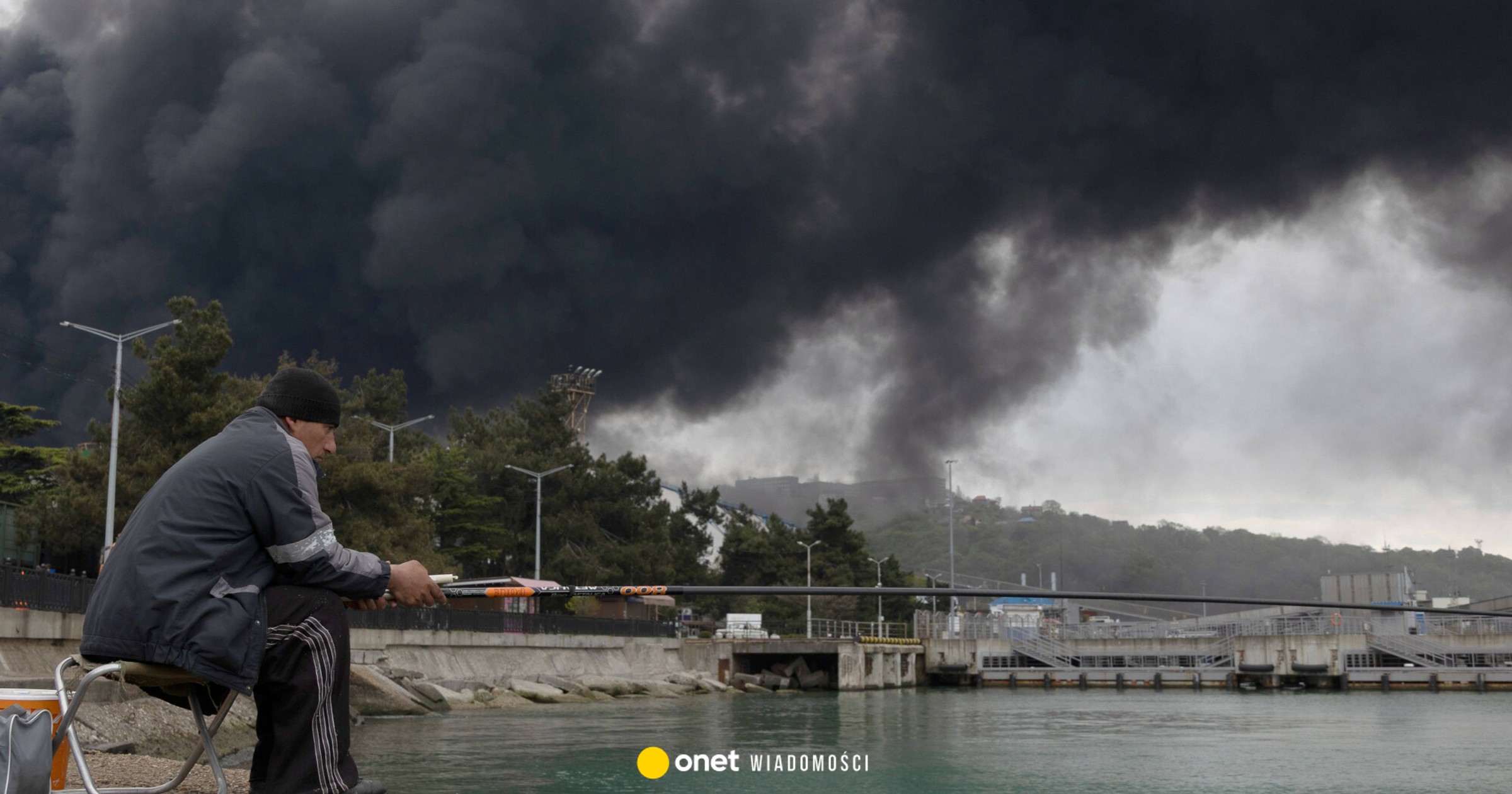
In 2025, armed conflicts in Russia and Crimea killed an average of 25 civilians per month, while in the first four months of 2026 this number almost doubled to 41. The death toll is rising, as is the number of regions affected. Fatalities have now been recorded in 27 regions, up from just 20 at the end of 2025. Since then, the Smolensk, Tver, Yaroslavl and Vladimir oblasts, as well as the republics of Adygea, Bashkortostan and Chuvashia, have been added to the list of regions with civilian casualties.
Based on government and media reports, we estimate that at least 1,406 civilians have died as a result of hostilities since the full invasion of Russia and Crimea. 882 of them were identified thanks to reports from governors and the media.
The number of drone attacks in Russia is increasing every month
This number is likely an underestimate – there is no guarantee that authorities are reporting all victims. The remaining 524 people, according to statements by Russian Commissioner for Human Rights Tatiana Moskalkova in January 2026, died in the part of the Kursk Oblast occupied by Ukraine between August 2024 and March 2025.
Previously, the 7×7 website calculated that by February 23, 2026, 1,198 civilians had been killed in Russia (excluding Crimea). Our estimate is slightly higher: over the same period, we counted 1,255 deaths in the same territory.
Russian Foreign Ministry spokesman Rodion Miroshnik claimed in April that more than 8,000 had been killed. Russian civilians. This estimate is far from our estimates and may be correct if governors do not publicly disclose information about most victims or if residents of Russian-occupied territories after 2022 are included.
Ukraine's missile attacks almost stopped after international aid was cut in the spring of 2025, when Russian troops drove Ukrainian armed forces out of the Kursk region. However, the number of war victims continues to rise. This is because currently drones are the main cause of death, and the number of attacks using these machines is increasing almost every month.
The most common civilian death scenario is when a drone accidentally hits a residential building or moving vehicle, which typically results in one or two fatalities. However, given that there are now dozens of drone strikes every day, the total number of victims is significant – we estimate at least 474 people, or 54%. all fatalities (not counting those in Suja), died as a result of drone attacks.
Moreover, 30 percent drone victims have been recorded since the beginning of 2026 (143 people), and 48 percent in 2025. In the same 2025, drone attacks killed 2.4 times more people than in the previous year. 33 people died as a result of the mine explosion. The rest died from other types of weapons (usually artillery or missiles), but in some cases the type of weapon is not specified, so some of these people may also have died from drone attacks.
Ukrainians are reaching further and further. Hitting 1,300 km from the border
Although drone attacks are the most common cause of death, the most notorious fatal incidents involve missile attacks and airstrikes. The largest attack (excluding the events in Suja during Ukraine's land attack) was the shelling of Belgorod on December 30, 2023, in which 25 people died.
The second and third largest strikes were not Ukrainian attacks, but Russian ones. On May 12, 2024, the entrance to a residential building in Belgorod collapsed, killing 19 people. At that time, the Russian Ministry of Defense claimed that the building was hit by a downed Ukrainian missile, but CIT experts believe that – considering the nature and direction of the damage – a more likely explanation is an accidentally dropped Russian air bomb.
On October 17, 2022, a Russian fighter jet crashed into an apartment building in Yeysk, Krasnodar Krai. The pilots ejected and survived, but 16 civilians were killed. According to the authorities and experts, it was a training flight – there is a training base for fighter pilots in Yeysk.
Most of the victims (658 people) were in the Kursk region, many of whom died in Suja during Ukraine's counterattack and its temporary occupation of these areas. More than a third of the war's casualties occurred in the Belgorod Oblast (509 people). Other border regions – Bryansk Oblast and Krasnodar Krai – also recorded the highest casualty rates.
The range of shelling continues to expand, with seven new regions added to the list of affected regions in 2026. The furthest case of civilian death from the border with Ukraine occurred in Udmurtia, 1.3 thousand. km from the border, where in July last year at the “Kupol” factory in Izhevsk, three people were killed and over 30 were injured.